Summer dressing in India still follows a predictable shorthand: Linen, whites, or something breezy’. It sounds right, until you step outside and realise that the heat is getting harder to contend with every year, as summers get warmer. With temperatures routinely hovering around the 43–45°C mark across central and eastern regions, it is time to rethink our traditional summer wardrobes.
For a long time, we wore fabric that could handle the weather. Mulmul that let air pass through without much resistance. Cotton that absorbed sweat and did not sit too heavily on the body. Even linen, which is not historically rooted in India in the same way, slipped easily into the wardrobe because it behaved well in dry heat.
What is changing now is not the fabric so much as the way it is being framed. There is still a version of summer that fashion prefers to sell, one that feels edited, and far removed from the conditions it claims to respond to. This is changing.
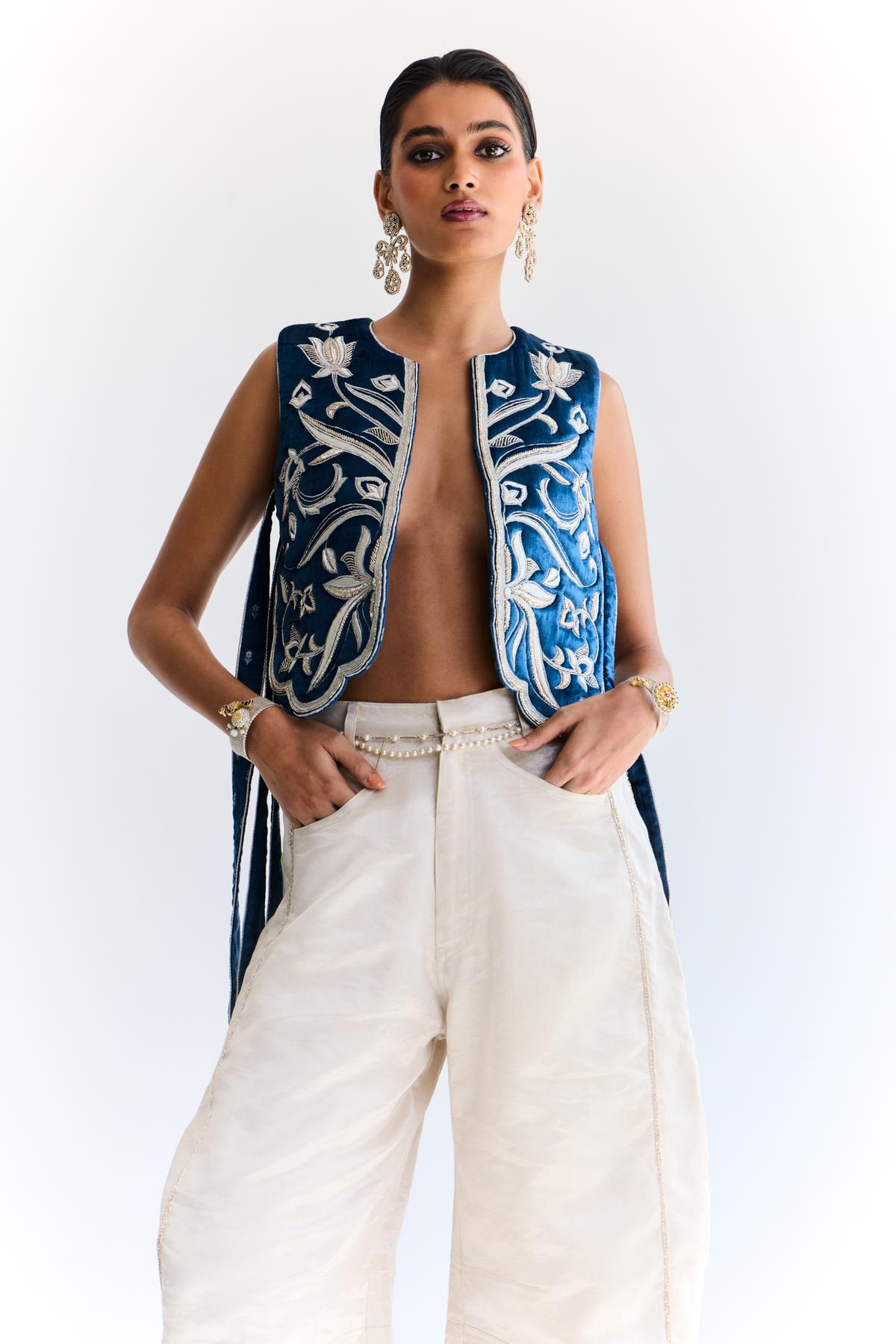
Payal Singhal’s SS/26 collection Shahnameh
| Photo Credit:
Special arrangement
Payal Singhal described her SS/26 collection Shahnameh, as “a foundation of lightness both in fabric and philosophy,” with “airy silks, organzas, and fluid blends… chosen for their breathability and ease”. The clothes move easily, look effortless, and the thinking extends into how it is made, with nearly 90% of the collection produced on a made-to-order basis — a considered approach, especially in the context of overproduction.
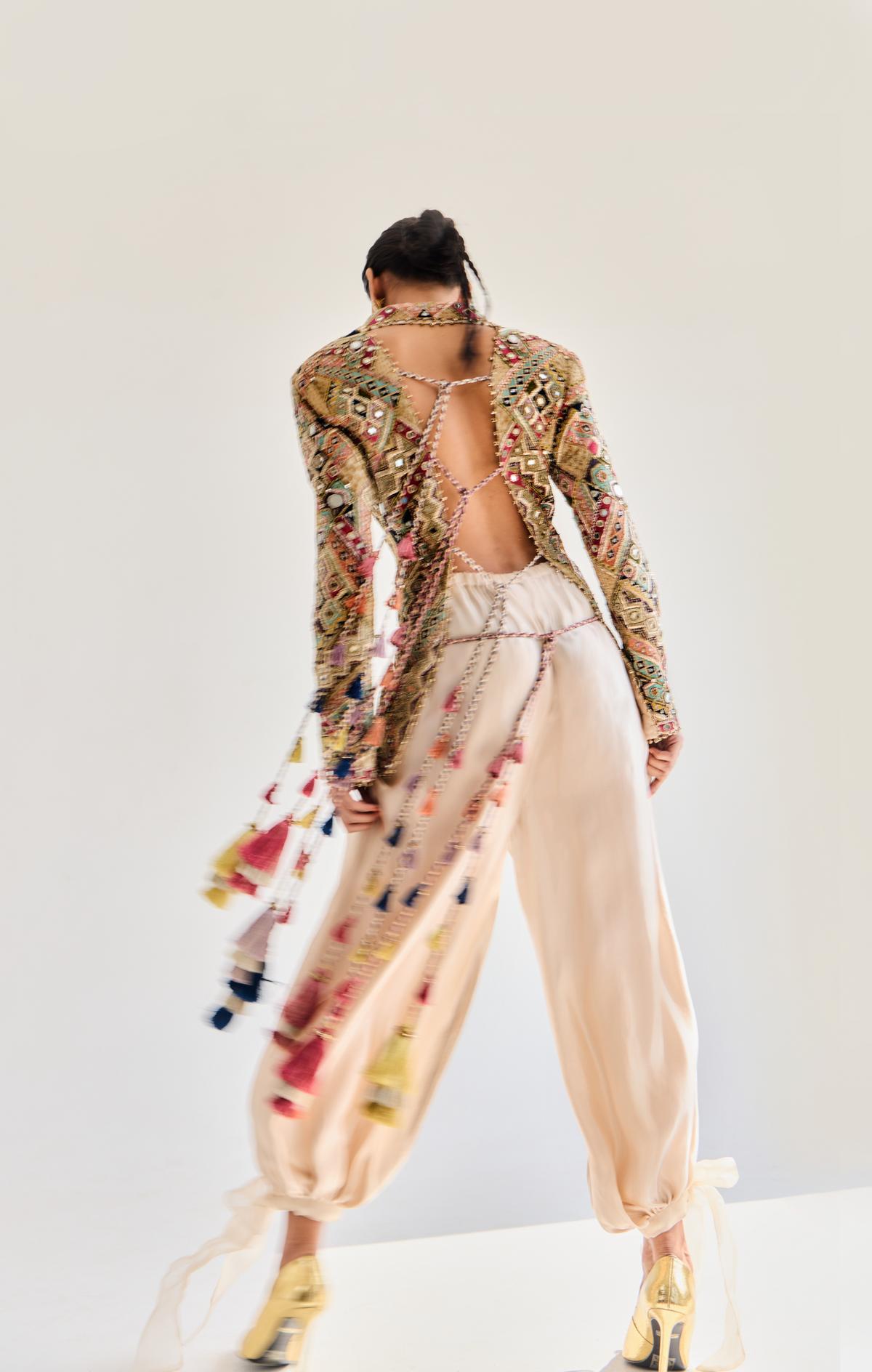
Payal Singhal’s SS/26 collection Shahnameh
| Photo Credit:
Special arrangement
A new vernacular
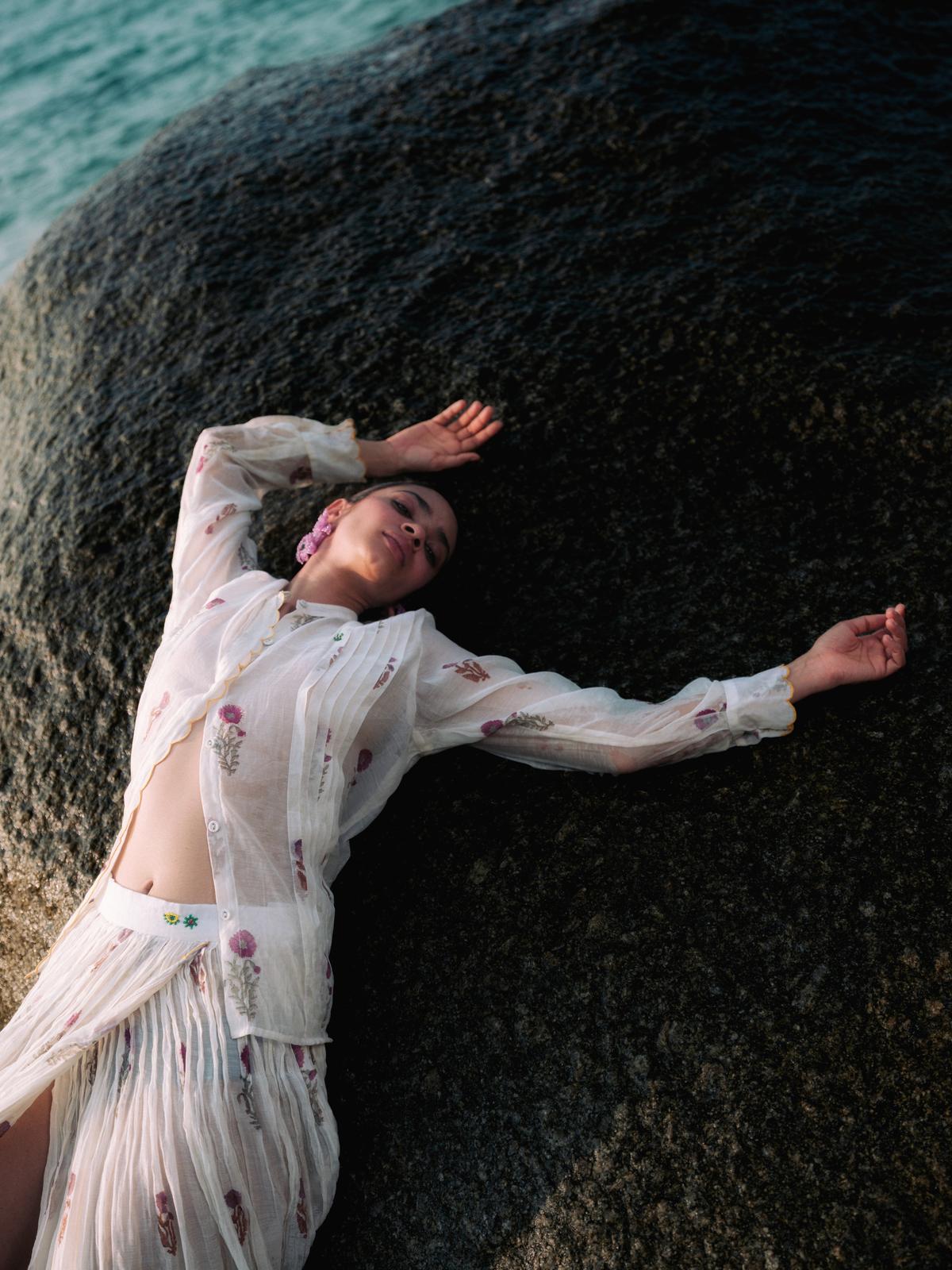
At Jodi, the starting point feels less mediated. “There is a particular kind of time that only exists by the sea. This collection emerged from that,” says co-founder Karuna Laungani of the Pune-based brand’s SS/26 collection, Only Fools and Fish (costing upwards of ₹9,000). It sounds like a mood, but the thinking is grounded in the cloth. “We began, as we always do, with the fabric,” she says, referring to kala cotton, mul, and Chanderi, which have been used for the collection.
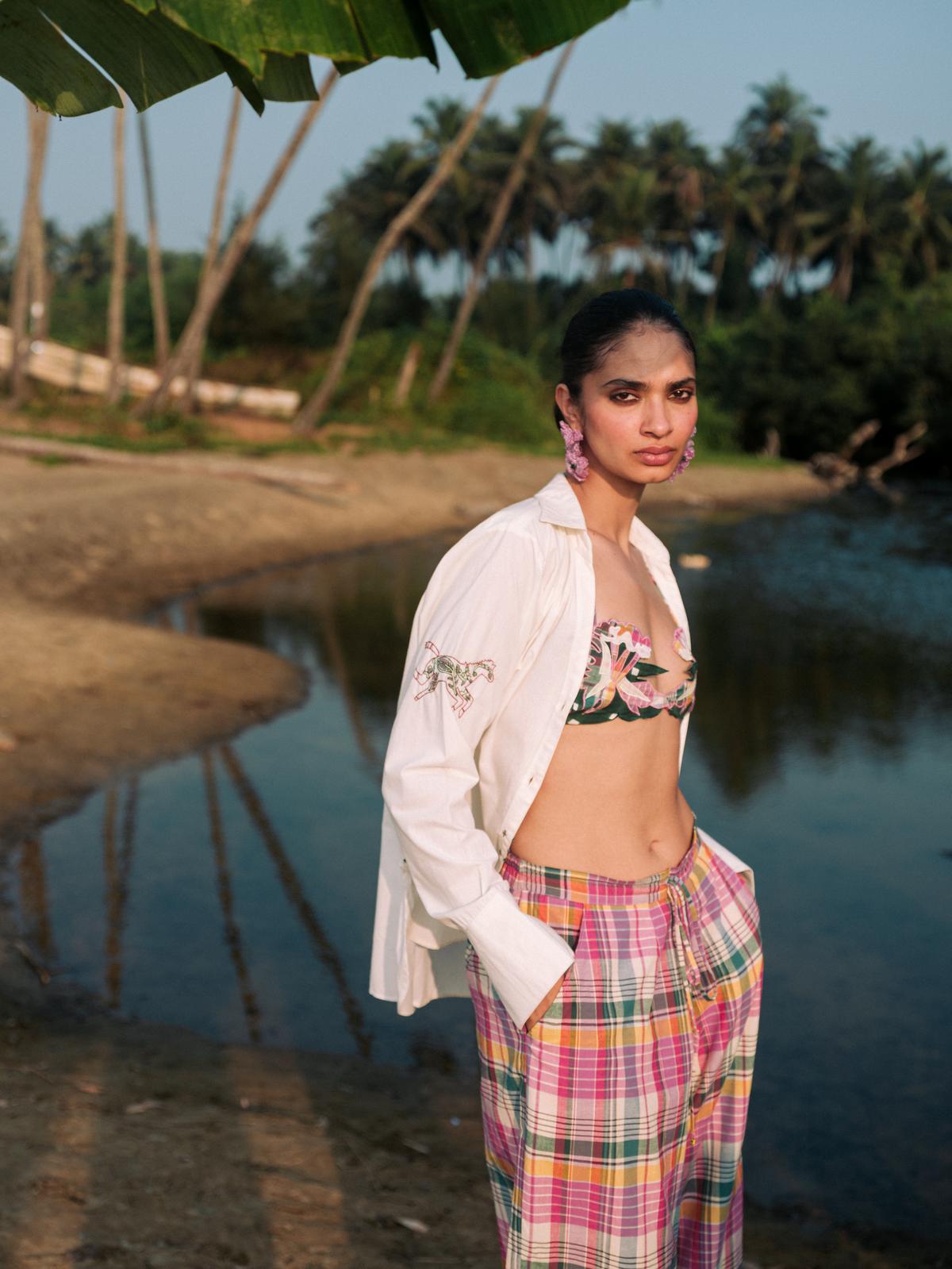
Jodi SS/26 collection
| Photo Credit:
Special arrangement
Kala cotton, grown in Kutch, holds up well in dry conditions and does not demand much water. Mul lets air move through it easily. Chanderi, when it is kept light, layers without becoming oppressive. “They breathe with you rather than against you,” says Karuna, which is a simple way of putting it, but also the most accurate.
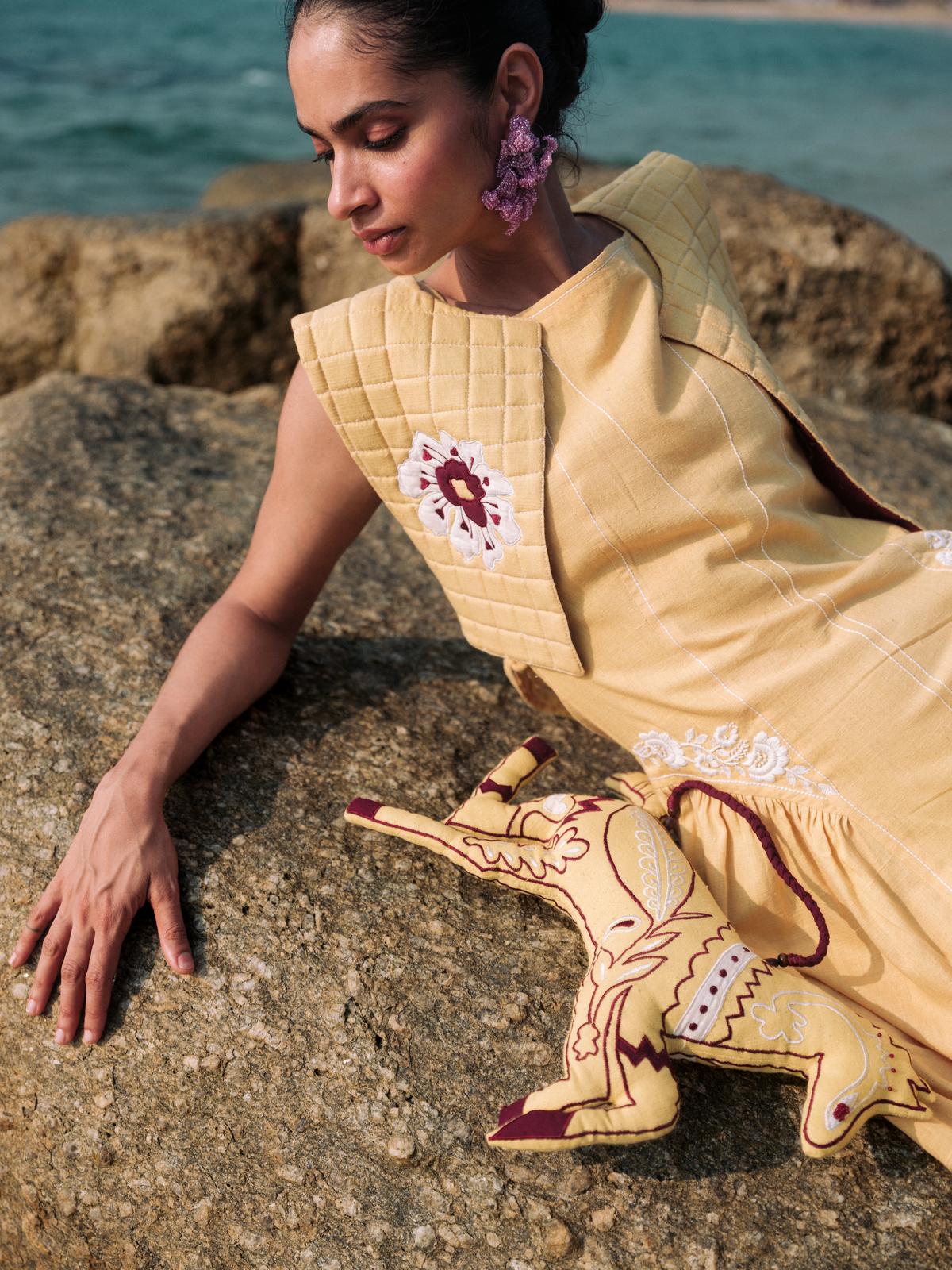
Jodi SS/26 collection
| Photo Credit:
Special arrangement
There is no attempt here to engineer the experience. “There are no synthetics or polyester, and no shortcuts,” she adds. The clothes (all hand-dyed and block-printed in Jaipur) from the collection carry the mark of how they are made, with prints that do not align perfectly, embroidery that feels considered, and colour that settles unevenly. It gives them a kind of ease that feels lived in. Silhouettes follow the same line of thought, loose enough to allow for movement, for air, without becoming shapeless.
Jodi SS/26 collection
| Photo Credit:
Special arrangement
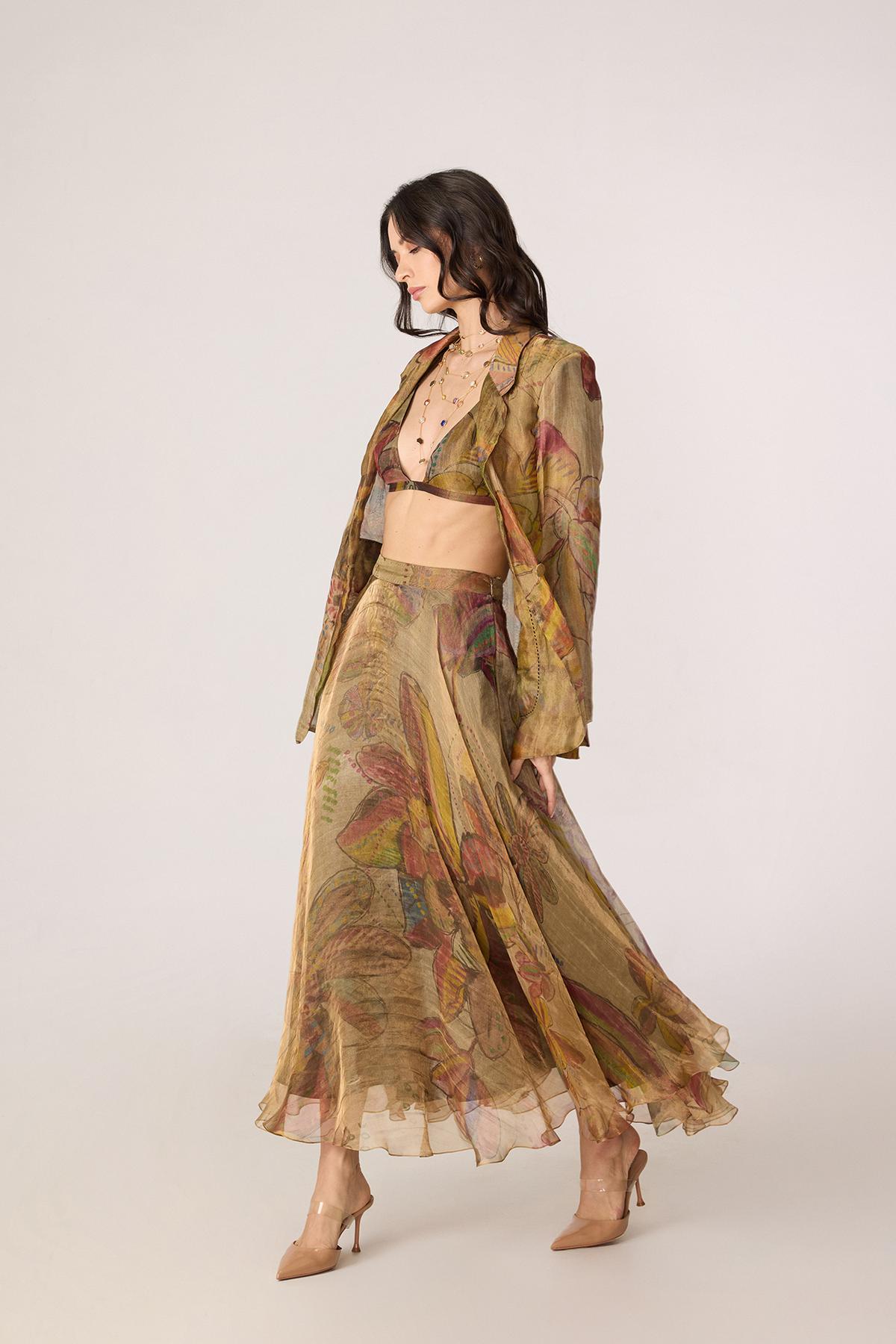
Between these two positions sits a more pragmatic approach. “I think nostalgia is just one layer of the story,” says Saaksha Bhat of Saaksha & Kinni, speaking about the label’s SS/26 collection, Estampa (costing upwards of ₹11,000). “For us, these fabrics have always been about performance first.”

Mulmul, she points out, was never meant to be romantic. “They (fabrics) breathe, they absorb, and most importantly, they allow the body to regulate temperature naturally.” What has changed is the awareness. “We’re thinking about how a garment will feel at 35 degrees with humidity, not just how it will look in a photograph,” says Saaksha.
Saaksha & Kinni, Estampa
| Photo Credit:
Special arrangement
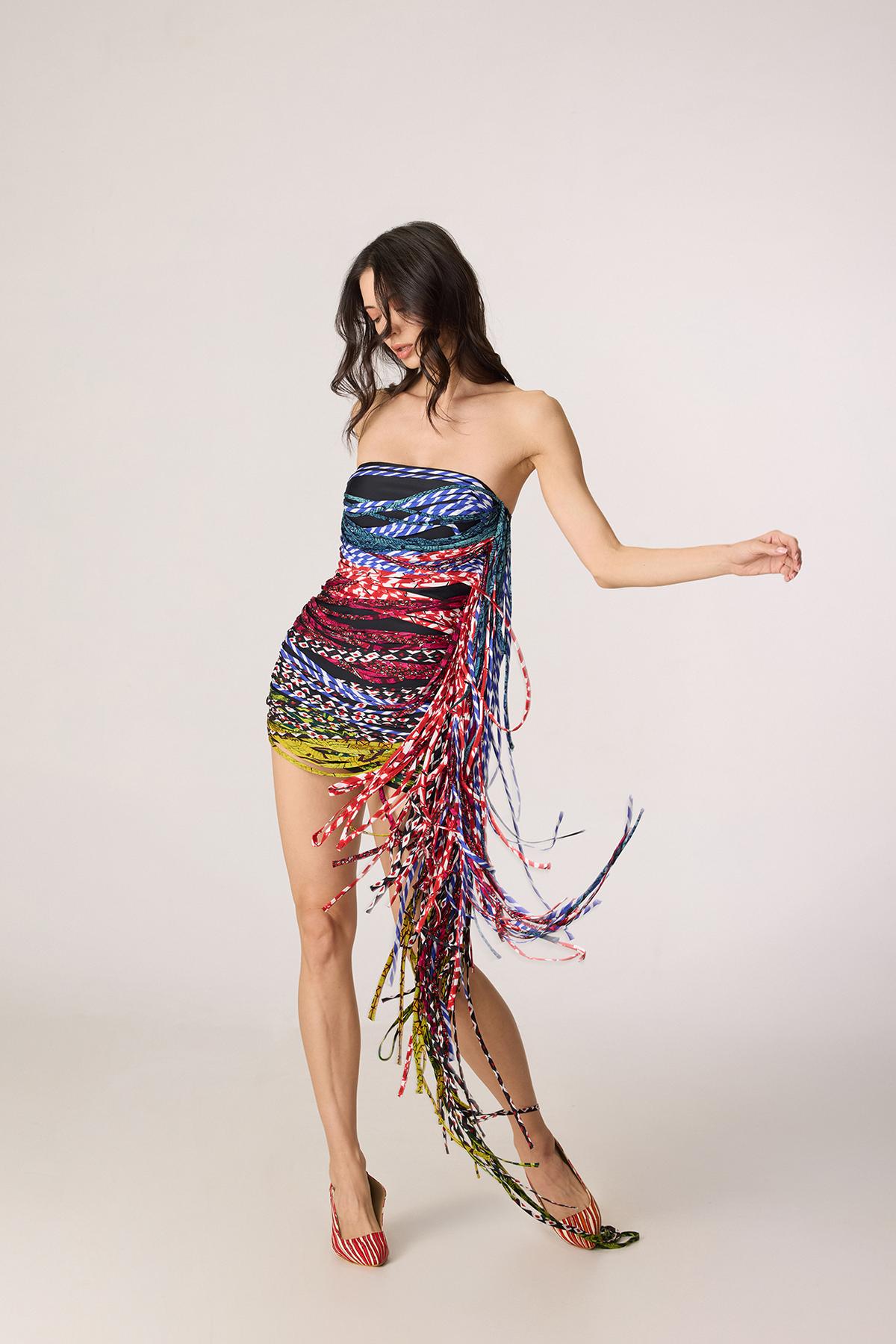
Estampa leans into print rather than away from it, bringing together kalamkari, block printing, bandhani and kantha in a way that feels visually dense but materially light. These are techniques traditionally worked on cotton and other breathable bases, which means the clothes hold up in heat even when they do not look ‘minimal’. In fact, the prints do some of the work that summer whites often fail at, masking sweat, wear, and the realities of a long day.
Saaksha & Kinni, Estampa
| Photo Credit:
Special arrangement
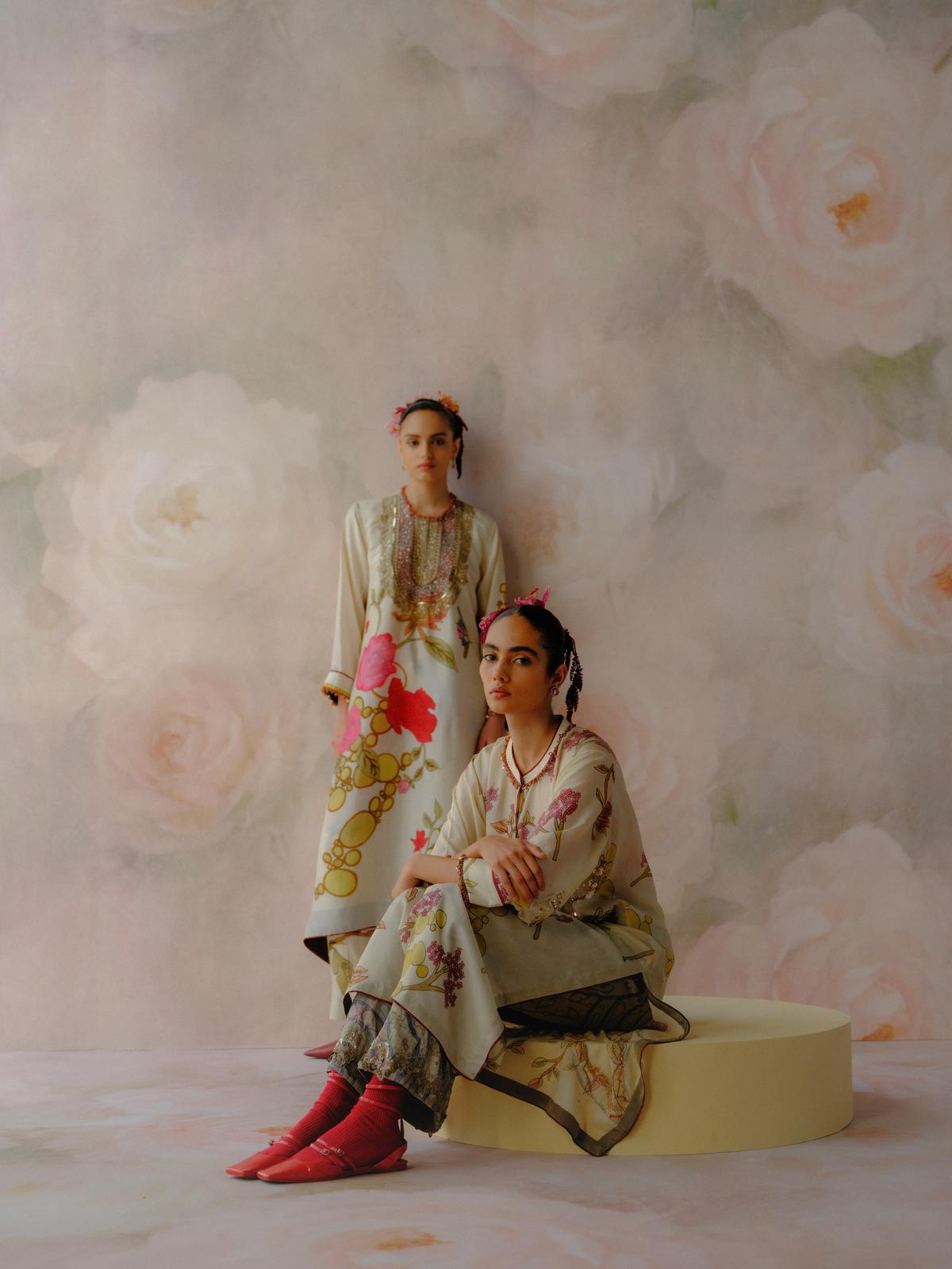
Hyderabad-based designer Archana Jaju makes a similar point, though from a slightly different angle. These summer textiles like cotton, mulmul, among others, she says, are already climate-smart. The work now is not to reinvent them but to adjust how it is used. In the SS/26 collection, A Summer Somewhere, Archana brings the feeling of a European summer to life through kalamkari. Tuscan poppies, coastal bougainvillea and Provençal wildflowers come to life through the kalamkari pen on handwoven silks and intricate embroidery.
Archana Jaju
| Photo Credit:
Special arrangement
This approach starts to chip away at another long-standing idea, that summer dressing is primarily about looking light. Whites and pastels are a kind of visual shorthand that does not always hold up in practice. “Handwoven lightweight silks are the main focus of our collection because it provides a natural fluidity and breathability. The emphasis is on silhouettes such as flowing kurta sets, capes, layered separates, and relaxed ensembles. The cuts are made to be comfortable while maintaining a sense of quiet luxury,” says Archana.
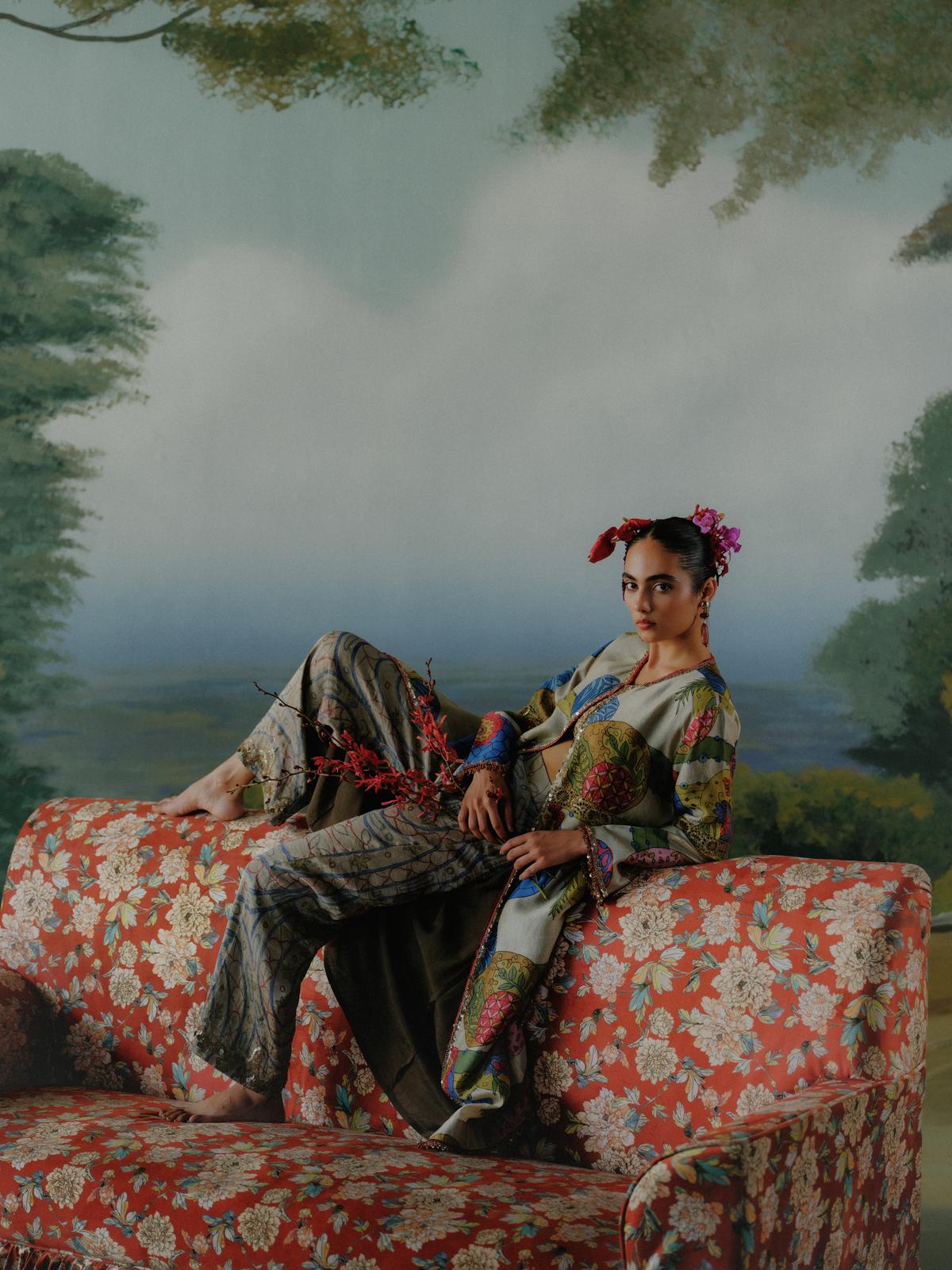
Archana Jaju
| Photo Credit:
Special arrangement
Anavila Misra, with her SS’26 collection Oh, Bonita! (costing upwards of ₹13,500) takes that argument even further, almost to the point of stating the obvious. “Summer fabrics have always been about performance, we’re only starting to call it that now,” she says. It is a line that cuts through a lot of the current language around climate-conscious dressing. Fabrics like mulmul, Kota, Mangalgiri, and linen were never designed to be nostalgic. “They naturally breathe, absorb sweat, and keep the body cool,” she explains, adding that while poly blends might be easier to maintain, they tend to trap heat and feel harsher on the skin over time.
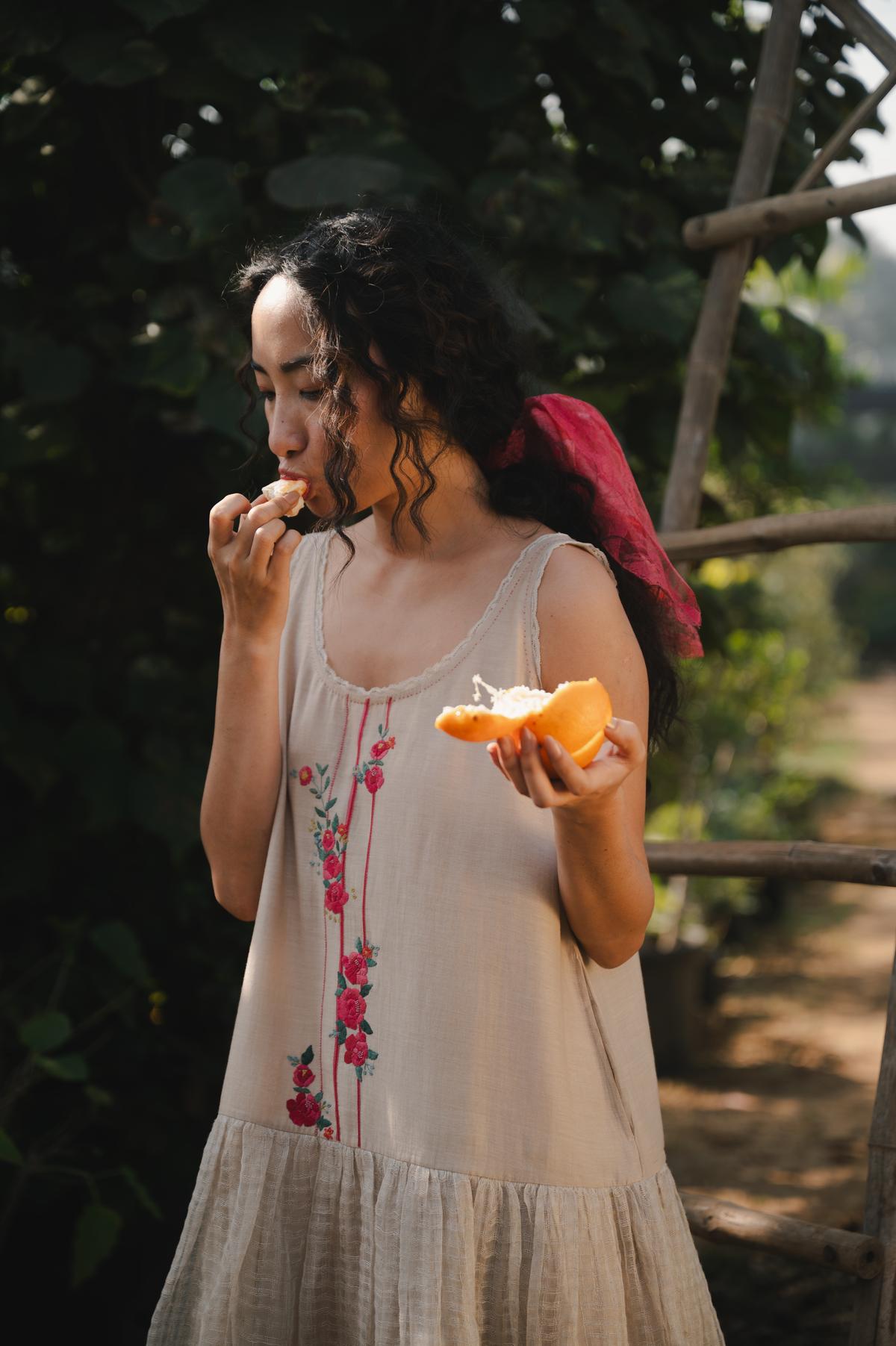
Anavila Misra, SS’26 collection Oh, Bonita!
| Photo Credit:
Special arrangement
Her approach does not try to fix what is not broken. “These textiles were always climate smart to begin with,” she says, pointing to linen and fine-count khadi cotton as fabrics that already do what they need to. The changes, where they happen, are more visual than functional. Weaves are adjusted to bring in a more contemporary feel, but without interfering with how the fabric behaves. The real work, she suggests, lies in how the garment is cut and worn, in “silhouettes and drapes that allow ease, movement, and airflow,” letting the fabric fall the way it is meant to rather than forcing it into structure.
The Bonita pink dress, made from cotton silk, works particularly well for summer with its pintuck texture, especially on a lightweight base. It helps keep the fabric from sitting flat against the skin, allowing for a bit more airflow, while the easy, fluid silhouette creates space for movement through the day. The monochrome appliqué stays light and unobtrusive, adding detail without weighing the garment down.
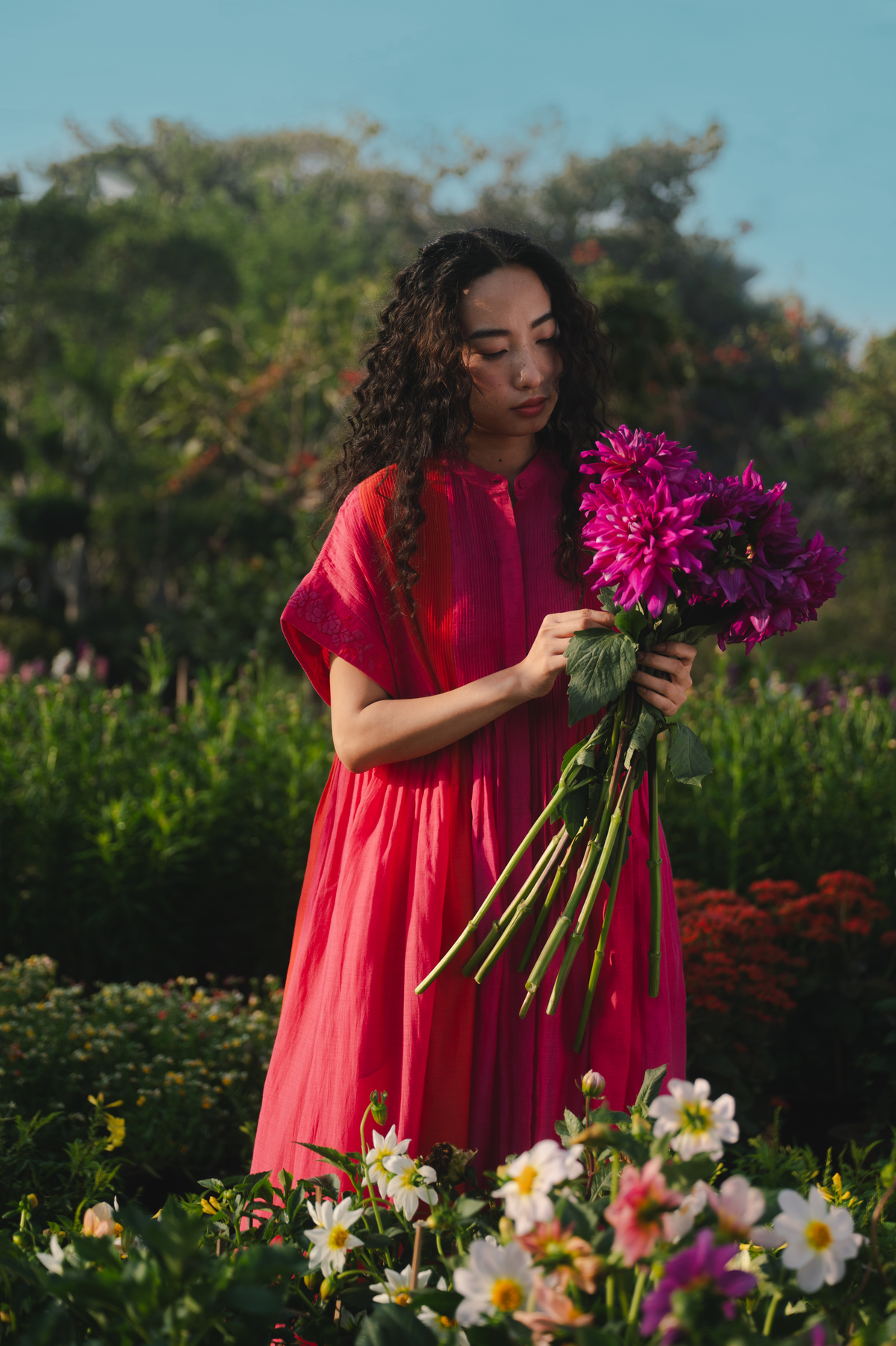
The Bonita pink dress from Anavila Misra, SS’26 collection Oh, Bonita!
| Photo Credit:
Special arrangement
What is interesting is that alongside this return to function, there is also a renewed interest in structure.

Form and structure
At Delhi-based Bodice, founder and creative director Ruchika Sachdeva speaks about balance. “Our SS’26 collection is built on our affinity for balance while keeping the season’s elements intact.” The silhouettes hold their shape, but the fabrics soften that structure. “They move, drape, and breathe,” she says. The result is pieces (costing upwards of ₹12,500) that are not overly relaxed nor rigid, but attentive to both.
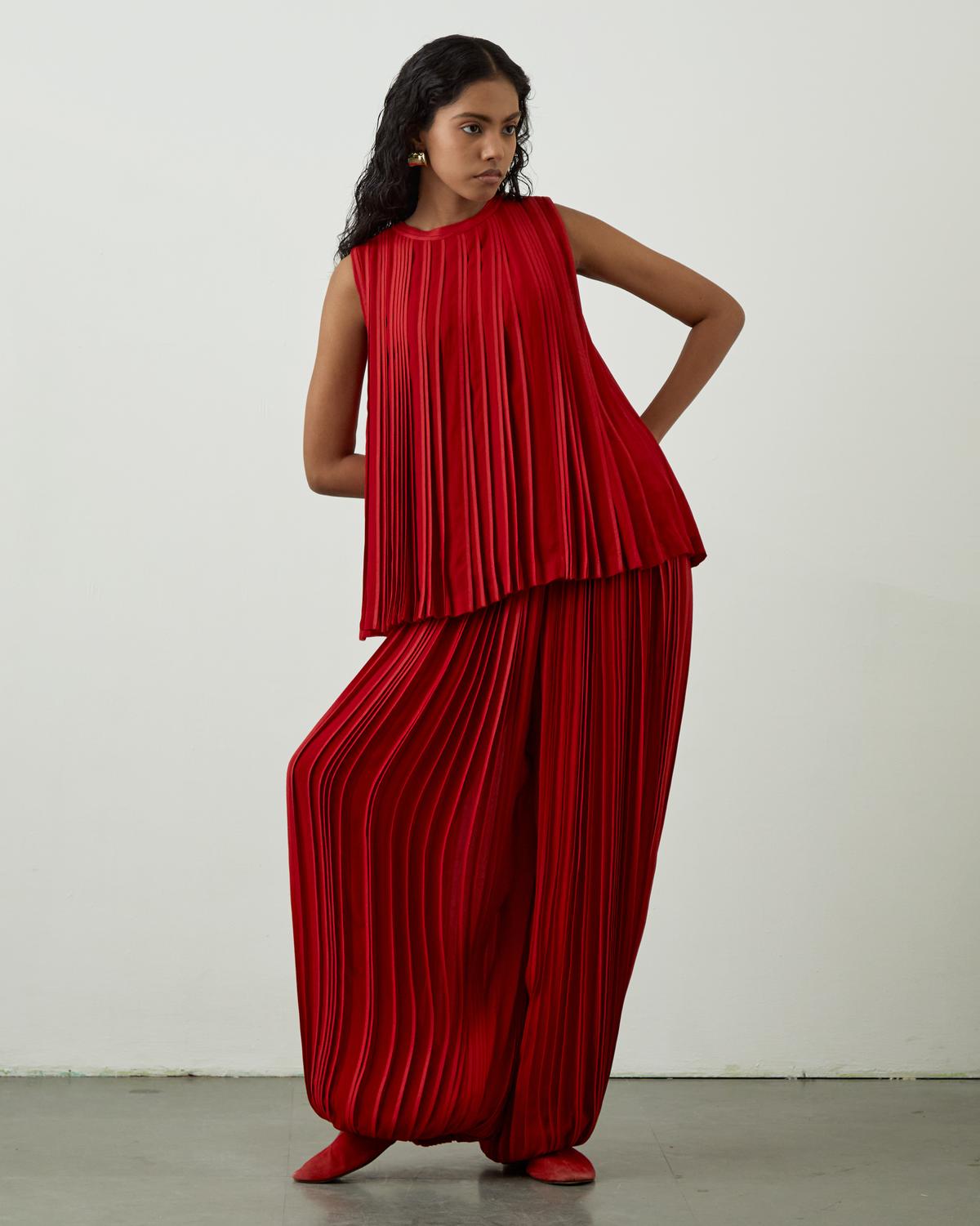
Bodice
| Photo Credit:
Special arrangement
Delhi-based label Lovebirds takes that idea a step further. Their Resort 26/27 collection, shown at Lunuganga in Sri Lanka, draws from the work of architect Geoffrey Bawa, whose approach to Tropical Modernism was rooted in working with the climate rather than against it. The clothes follow a similar logic. Structured, almost architectural in parts, but made in fabrics that allow for movement and airflow.
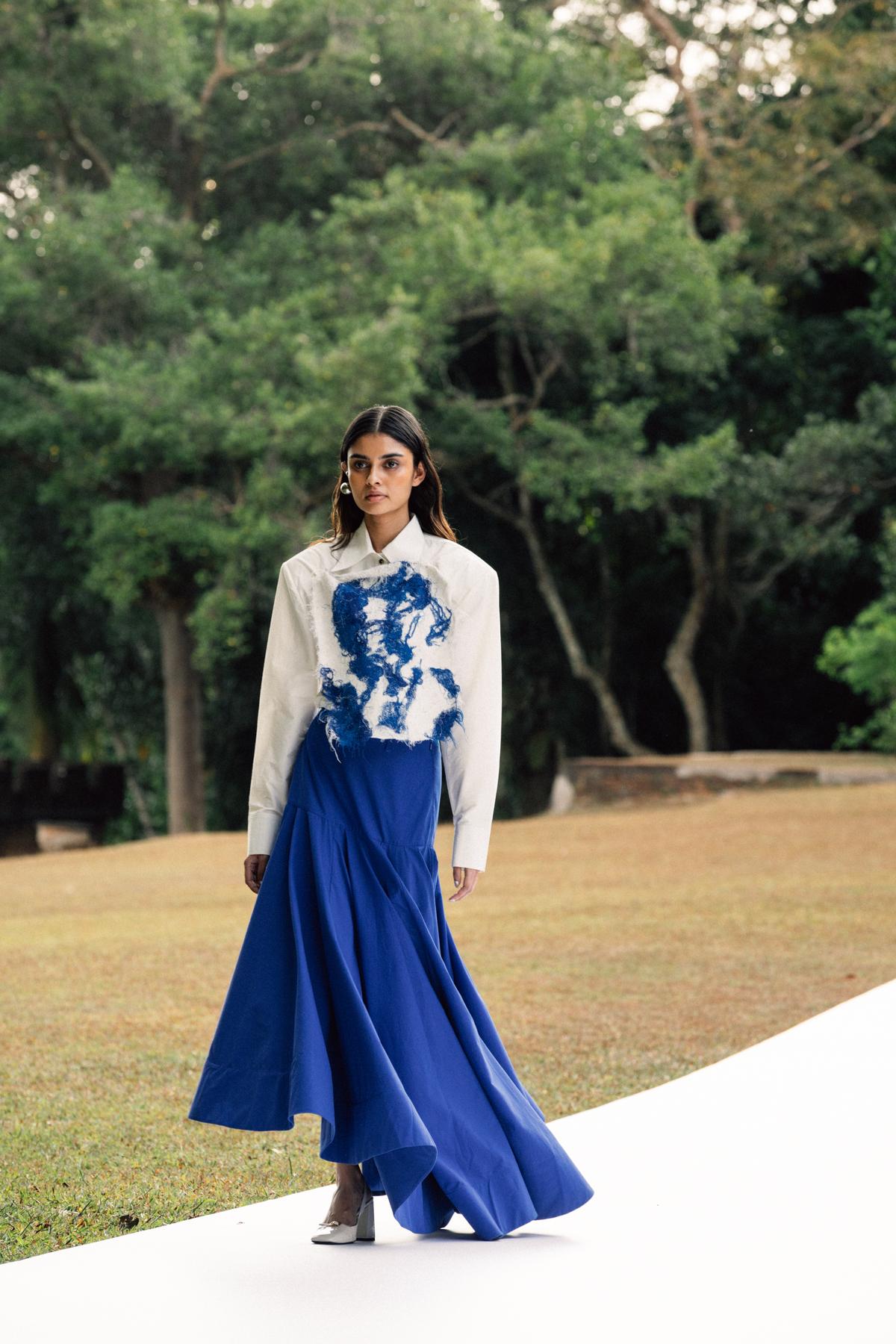
Lovebirds
| Photo Credit:
Special arrangement
The palette stays restrained, largely black and ecru, with batik running through the collection as material language. The batik technique, centuries old, involves applying wax by hand to fabric to resist dye, with patterns revealed only once the wax is removed, making it as much about foresight as skill. In Sri Lanka, the craft was revived in the 1960s by Ena de Silva, a Sri Lankan artist, credited with re-establishing the country’s batik industry, and continues through generations of artisans. The collection draws from this legacy, reworking batik in a restrained palette.
Additionally, batik is traditionally worked on lightweight, breathable fabrics like cotton and silk, which handle heat and humidity well. The process does not alter the fabric’s structure in a lasting way, so once the wax is removed, the material retains its ability to breathe and absorb moisture. In coastal areas, where the air is heavy and damp, it makes a noticeable difference.
There is also a practical side to the prints. Batik patterns tend to be layered and irregular, which can help mask sweat and everyday wear, making them more forgiving than solid, lighter colours.
In that sense, Lovebirds resists the idea of summer as something to be softened or stylised. Instead, it treats it as a condition to be designed around, where form, material, and environment are in constant negotiation.
For a long time, summer dressing has been about how clothes look in the heat. Now, there is a growing awareness of how they actually behave in it.

About the Author