On a hot day in rural India, the idea of keeping milk, vegetables, and drinking water cool can feel less like convenience and more like survival. That is the world in which Mansukhbhai Prajapati, a potter from Gujarat, built a clay refrigerator that runs without electricity and uses a simple principle older than modern appliances: evaporation. The story began after the 2001 Gujarat earthquake, when Prajapati saw the vulnerability of families who had lost homes, power, and the basic means to preserve food. Out of that disruption came a low-tech answer with surprisingly wide reach. Scroll down to read more.
The invention that changed the clay business
Prajapati’s refrigerator did not emerge overnight. Reported accounts suggest he spent nearly four to five years experimenting with different clay mixtures before arriving at the right formula. By adding materials such as sawdust and sand, he made the clay body porous, allowing water to slowly seep through the surface and evaporate. As the moisture evaporates from the outer walls, it pulls heat away from the inner chamber, creating a natural cooling effect—without compressors, coils, or any electrical input. The National Innovation Foundation describes the refrigerator as a natural refrigerator made entirely from clay, an idea refined through years of trial and experimentation.
How it actually works
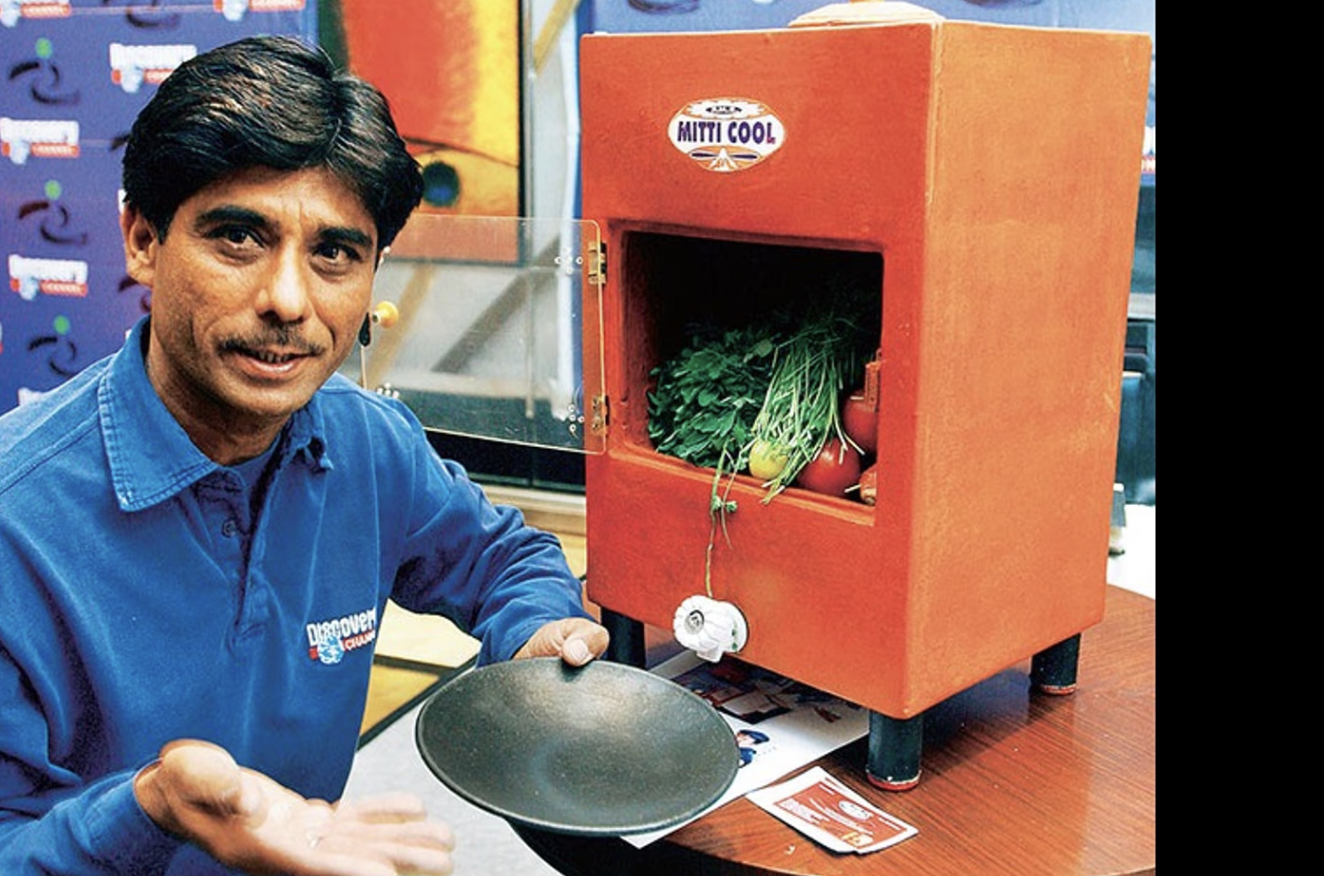
The engineering is elegant in its simplicity. Water is poured into the upper chamber, then drips down the sides of the clay body. As that moisture evaporates, it takes heat with it, leaving the inside cooler than the surrounding air. The National Innovation Foundation says the refrigerator works on evaporation and can keep fruits, vegetables, milk, and drinking water fresh for two to three days. It also notes that the device performs best in hot, dry climates, where evaporation is strongest. In practical terms, It offers a cooling gap of roughly 5–8°C below outside temperature.
Why it mattered to ordinary households
The refrigerator has never been promoted as a luxury item meant exclusively for the wealthy elite. On the contrary, it was remarkably crafted with the specific purpose of serving households that face challenges with the financial strain of acquiring a conventional refrigerator, along with the ongoing burden of electricity costs. The United Nations Conference on Trade and Development has pointed out this innovation as a quintessential illustration of what is termed “frugal innovation,” emphasizing that it is available for purchase at a price point of less than $50 and possesses the remarkable ability to keep food fresh for durations ranging from two to three days. Initial evaluations of retail pricing indicated that it was approximately ₹2,500, further solidifying the concept that this product was conceptualized from its inception as an attainable alternative, rather than as a high-status kitchen appliance. The primary objective was never to impress consumers with groundbreaking technology or advanced features. Instead, the aim was to tackle a crucial and everyday challenge faced by families residing in regions with inconsistent electricity supplies and limited resources.
From a village workshop to national attention
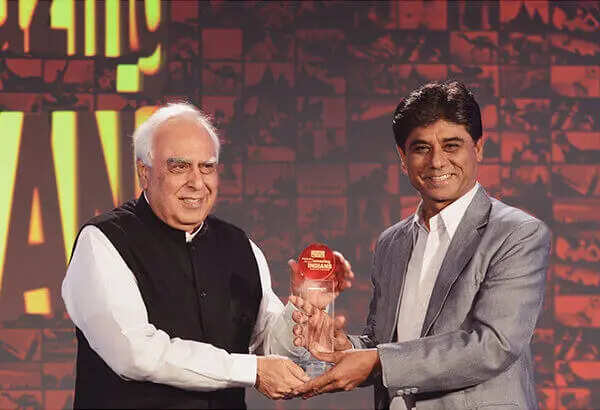
What makes the refrigerator story endure is that it sits at the intersection of craft, necessity, and invention. Prajapati was not a corporate engineer or a lab-backed startup founder. He was a potter working from the knowledge of clay, and he reimagined that tradition for a modern use. The National Innovation Foundation says he received recognition in its 2009 competition for grassroots innovations and was later named by Forbes in a 2010 list of rural Indian entrepreneurs whose inventions were changing lives. Reports from The Better India also say he went on to build a broader business around clay-based products, including water filters, pressure cookers, and tawas. The deeper appeal of this invention is not only that it works without electricity. It is that the solution feels rooted in the conditions it was made for. In a country where heat, power cuts, and affordability remain daily realities for many families, a clay refrigerator is more than a curiosity; it is a reminder that innovation does not always arrive wrapped in plastic and software. Sometimes it comes from someone who understands the material in his hands, sees a problem up close, and refuses to accept that hardship must be met with expensive technology. That is why the refrigerator has lasted in the public imagination long after the first headlines faded.The story of Prajapati has evolved into a remarkable case study that showcases how age-old traditional skills can be effectively transformed into practical innovations that are scalable. Additionally, it serves as a quiet but powerful rebuttal to the commonly held belief that true progress and development are confined solely to high-tech urban centers and elaborate laboratories. The refrigerator itself may appear modest and unassuming, yet the innovative thinking that underpins its creation is anything but ordinary: it is characterized by utilizing available resources, maintaining low costs, and designing solutions that cater to the realities of everyday life. This is precisely what makes the narrative surrounding the refrigerator feel so vibrant and relevant even today; it is not merely a clever gimmick but rather represents a tangible and pragmatic solution to a pressing everyday issue.
About the Author