
“When I used to go to Central School in Jamalpur, I would walk a few kilometers from my village every morning to reach on time. Deep in my heart I felt inadequate, a misfit. It was not easy, it never has been! Neither in school nor deciding to become a chef at a time when cooking was looked upon as a woman’s job and nor for many years working in five-star hotels with a fixed mindset, which gave little room for experiment and innovation,” says Chef Gautam Kumar.Jamalpur is a small railway town in Bihar and is not the kind of place where five-star kitchens or global gastronomy dreams usually take shape. It is a town of train whistles and railway workshops, of modest homes and limited expectations. For Chef Gautam Kumar, however, Jamalpur was where a quiet rebellion began, long before he ever held a chef’s coat, or served heads of state, billionaires, and global dignitaries.
Growing up, Gautam knew one thing clearly, that he wanted to do something different. In an era when stability was prized above passion, choosing a culinary career, especially for a boy from a small Bihari town, was neither obvious nor easy. A chef’s degree was not considered aspirational at all! It was unfamiliar, risky, and often dismissed. But even then, he was drawn to food not just as sustenance but as identity. When Gautam first stepped into professional kitchens outside Bihar, the world felt larger and harsher. He quickly became aware of how he was seen. His accent, his food memories, his cultural references marked him as “the Bihari.” Sometimes it was said casually, sometimes cruelly, but always with an undertone of inadequacy. Bihar, after all, was not associated with refinement in the elite culinary imagination. Its food was considered rustic, basic, or worse-unsophisticated.For a long time, he tried to fit in.
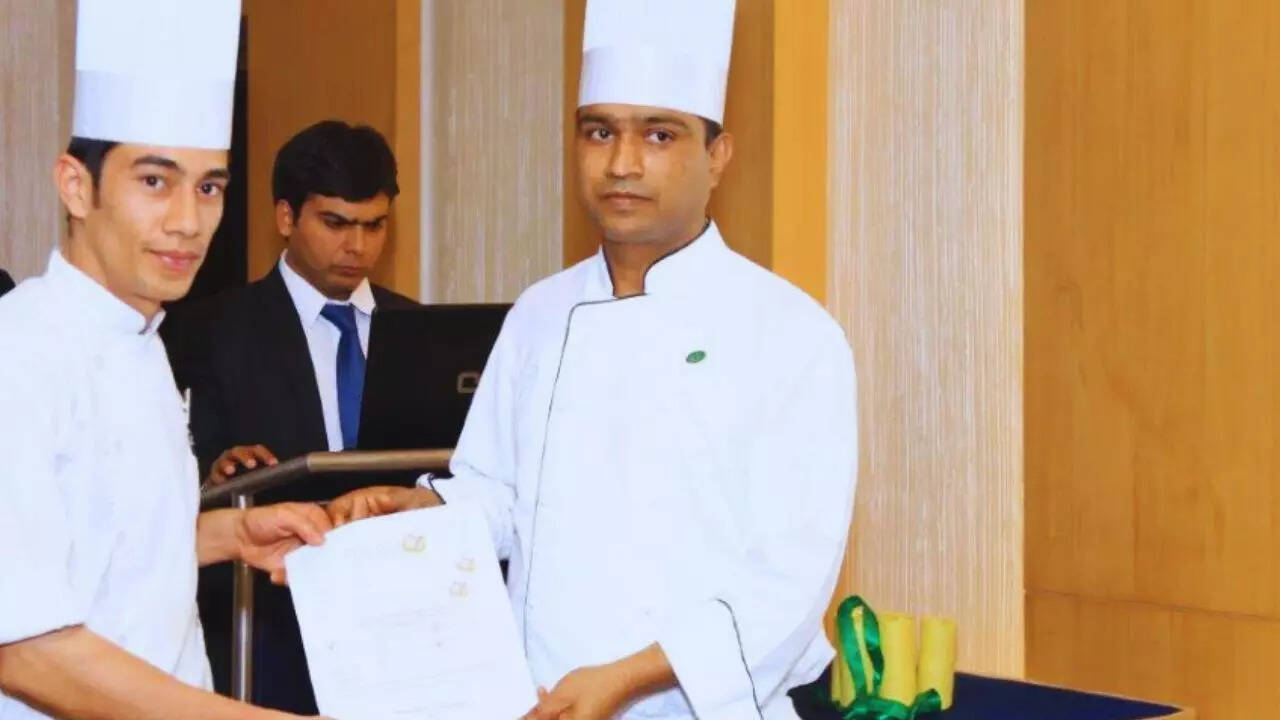
Gautam, like many young chefs attempting to survive in elite hotel kitchens, cooked to meet expectations-Continental classics, international plating, and aping techniques borrowed from elsewhere. But somewhere beneath the stainless steel counters and imported ingredients, a discomfort lingered. He was excelling professionally, yet suppressing the very food culture that had shaped him. The turning point did not come overnight. It came with experience, and confidence. Years spent working with some of India’s most respected hospitality names, including Shangri-La New Delhi, The Imperial, Grand Hyatt Delhi, Radisson Hotels, MAYFAIR Hotels & Resorts, and Epicurean Hospitality Services, and later as Executive Chef at Moksha Himalaya Spa Resort. These kitchens taught him scale, discipline, precision, and leadership. They also gave him something else: credibility. And with credibility came courage.
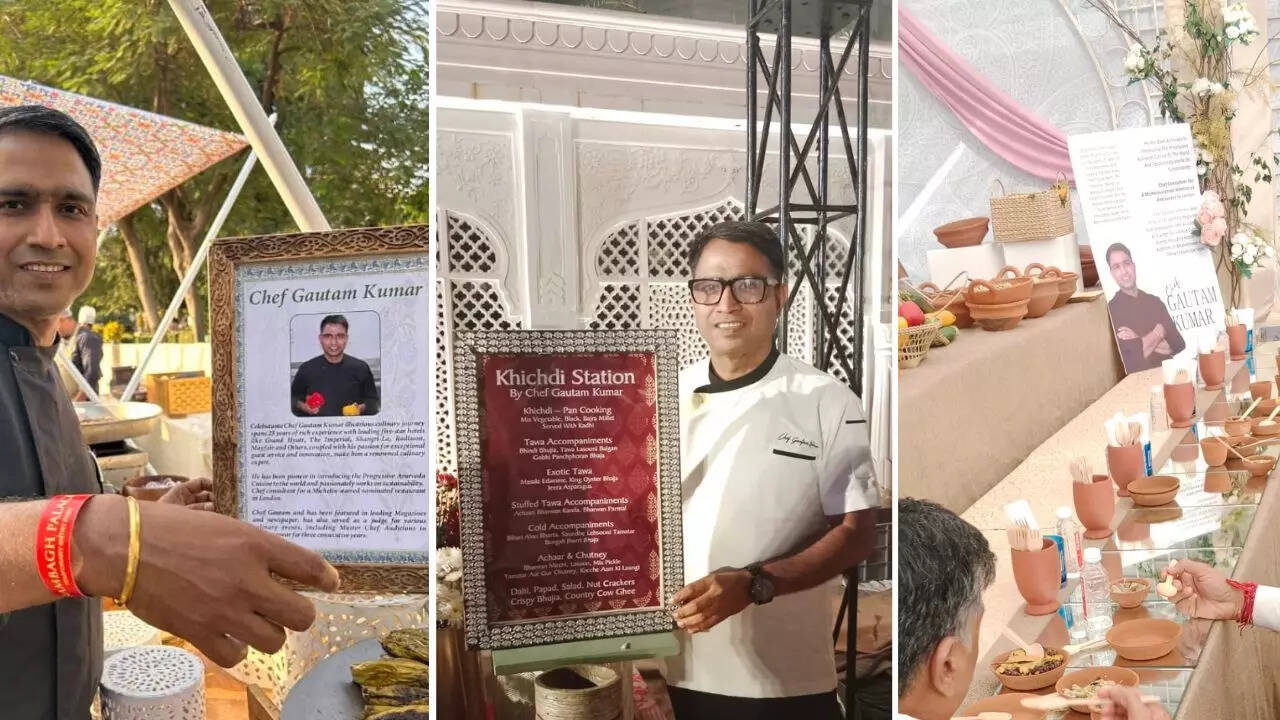
An Ayurveda experiment that workedInstead of distancing himself from his roots, Gautam began to lean into them. The very ingredients that once made him feel small, millets, grains, sattvic preparations, regional vegetables, minimal indica spices became his strength. He began asking an uncomfortable question in luxury dining spaces, why is the food of our ancestors treated as inferior, when it is nutritionally superior, sustainable, and deeply intelligent? This new philosophy got implemented in 2023 when Chef Gautam Kumar started working with Sammir S Gogia- Director of Saltt Catering. Working together, they gradually replaced the party menu which invariably used to be heavy, oil-rich and that valued excess over wellness. What he proposed instead was radical for its context- curated Ayurveda cuisine. It meant food rooted in sattvic principles, ancient grains, digestive balance, and seasonal wisdom. And yet presented with the finesse expected by high-end clientele. It wasn’t about austerity; it was about intelligence on a plate. Central to this approach was Chef Gautam’s mastery of what he calls the “Ayurveda Chonka.” Unlike conventional tadka, which is often treated as a final flourish, Gautam approaches tempering as a precise, almost medicinal act. The interaction between A2 ghee and spices, the temperature at which seeds bloom, the timing that preserves both flavour and function, everything is intentional. Taste and health are no longer at odds; they are collaborators. This philosophy soon found a global stage.
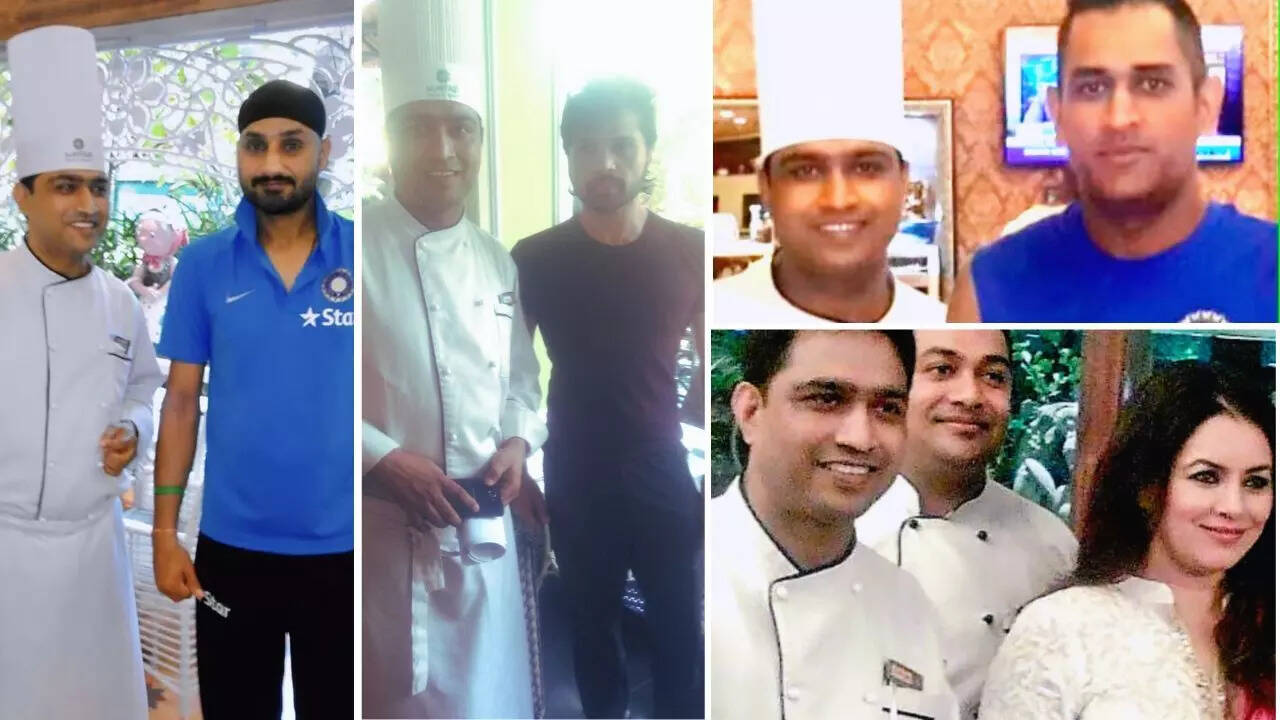
At the P20 Summit 2023 at Yashobhoomi, Chef Gautam served a millet-based menu to Prime Minister Narendra Modi and G20 delegates. “This moment was symbolic and deep in my heart I felt a sense of pride. A grain once dismissed as “poor man’s food” was now part of international diplomacy. For me, it was deeply personal—a quiet vindication of everything that I had believed”, says Chef Gautam. At the IIFA Silver Jubilee celebrations in Jaipur (2025), he showcased Bajra-based dishes that brought Rajasthan’s rustic food heritage to a global Bollywood audience. Once again, ancient grains took centre stage, not as nostalgia, but as contemporary luxury. His work has also featured at some of India’s most high-profile weddings, including the Ambani wedding in Mumbai and the Mantena wedding in Udaipur, attended by global figures such as Donald Trump Jr. In these spaces, his sattvic and Ayurveda-focused pavilions stood apart—not louder, but more thoughtful.

Today Chef Gautam Kumar represents a new kind of Indian culinary leadership. One that does not chase trends blindly but reclaims wisdom. One that understands that luxury is not about imported ingredients but about confidence in one’s own culture. For someone who once felt inadequate for being “too Bihari,” the journey has come full circle. Bihar is no longer something to hide, it is something to honour. Its philosophy of simplicity, resilience, and nourishment lives on in every plate he designs. The story of Chef Gautam Kumar is of grit, determination, and the intent to break stereotypes. It is about dignity. And it is about taking what the world, a culinary tradition, once dismissed, and it is about proving quietly and consistently that it deserved a place at the highest tables all this while!
About the Author


