
People eat eggs in so many ways that you sometimes forget they are more than just breakfast. Scrambled on toast, fried in a rush before college, yolks saved for baking and whites used for a quick protein hit. One thing that does not get talked about enough is how eggs are one of the easier everyday foods that contain vitamin B12. The body needs this vitamin to keep nerves working properly, support red blood cells and help with general energy, yet you cannot make it yourself. If your diet has fewer animal foods or you are inconsistent with them, eggs can fill that gap quite naturally without needing extra effort.Researchers studying nutrient behaviour during cooking published in PMC found that temperature and method influence how well the body can later use the nutrients inside eggs. The study suggests that different cooking techniques change the structure and digestibility of egg nutrients, which makes it worth paying attention to how eggs are made if you are eating them for nutrition rather than just habit. Vitamin B12 helps maintain the protective covering (myelin sheath) around nerves, ensuring proper nerve signaling. A deficiency may lead to tingling, numbness, memory issues, and poor concentration.
How to cook eggs right to preserve vitamin B12 in eggs
Vitamin B12 mostly sits in the yolk, not the white, and it does not love long, intense cooking. If you boil an egg to the point where the yolk has turned dull and crumbly, you are pushing the limit of what the vitamin can handle. Softer cooking and shorter cooking seem to give the best balance between taste, safety and nutrient retention. Below are realistic approaches someone can do even half asleep in the morning, without needing fancy equipment.
Boiling eggs gently to keep vitamin B12 in eggs
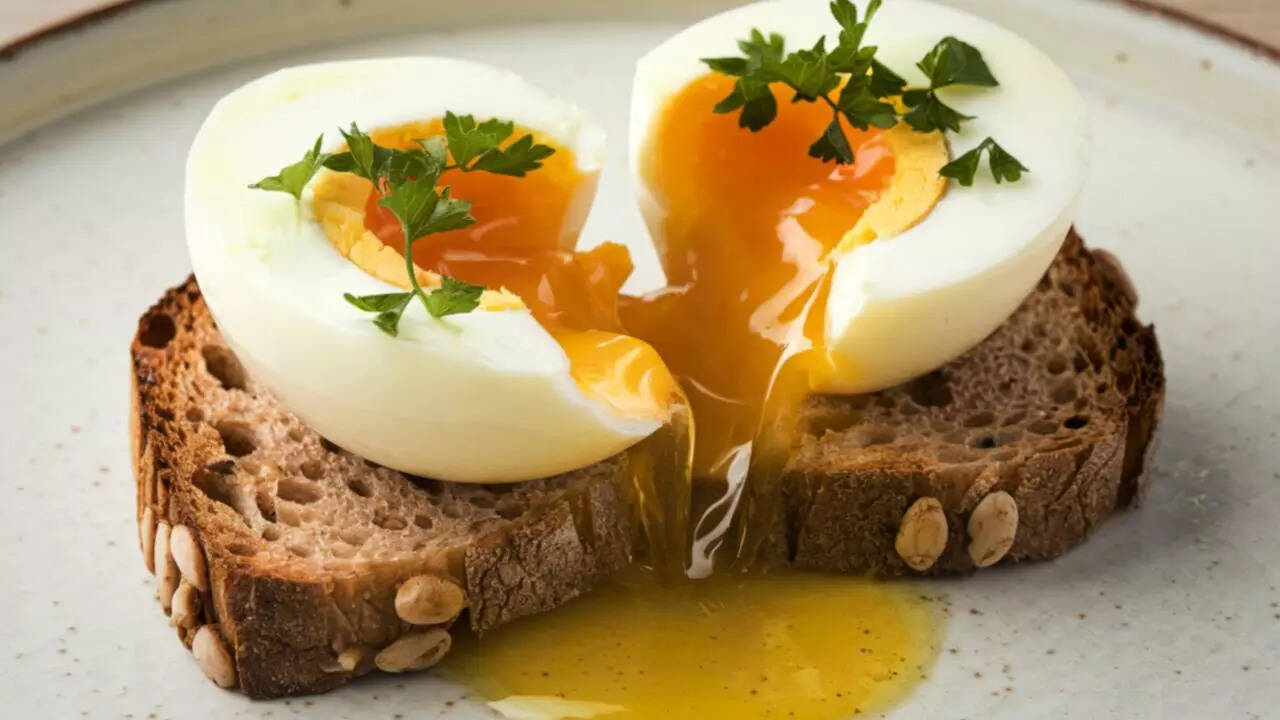
Boiling sounds foolproof, but the trick is not letting the eggs roll around in boiling water for ages. For better B12 retention, bring water to a boil, lower the eggs in gently, then turn the heat down a little so it simmers rather than bubbles violently. Around six minutes gives a soft centre, eight to nine minutes gives medium, and anything over fifteen tends to dry out the yolk too much. Once lifted from the pan, place them in cold water to stop the cooking. This tiny habit prevents overcooking and keeps the yolk creamy rather than chalky. Creamy yolk means more intact nutrients and a nicer bite.
Poaching eggs for vitamin B12 in eggs
Poaching sometimes scares beginners, but once you do it twice, it becomes oddly calming. Heat water until it just begins to ripple, crack an egg into a cup first, then slide it into the water slowly. It will look messy for a moment, but leave it alone. As soon as the whites firm up, use a slotted spoon to lift it out. The shorter time in water keeps more of the vitamins intact, and there is something satisfying about cutting into a runny centre that is still warm but not overdone. People who dislike oily textures often prefer poached eggs because there is nothing extra except the egg and water.
Light frying to maintain vitamin B12 in eggs
Frying eggs gets a bad reputation because many people cook with a high flame. If you are willing to slow down slightly, frying can protect vitamin B12 better than you think. Warm the pan gently, add a splash of oil, then crack the egg in and reduce the heat. Let the whites set naturally, flip only if you like them cooked both sides, and remove before the yolk turns firm. Covering the pan for a short moment traps enough steam to cook without scorching anything. The result is still tasty but not overworked.
Steaming eggs to retain vitamin B12 in eggs

Steaming keeps the cooking environment moist and gentler. You can crack eggs into heatproof cups or onto a plate that fits inside a steamer. Put the lid on and check after a few minutes. The texture comes out soft and slightly custardy, especially when you add a splash of milk or water before steaming. It is a trick used often in Asian kitchens and makes sense nutritionally because it avoids high direct heat.Eggs make it easier to get vitamin B12 without thinking too much, but cooking style does change how much remains. The more gently you treat the yolk, the more likely you keep its vitamins. Soft boiling, poaching, low heat frying and steaming seem to offer a good balance. If the yolk stays bright and moist rather than dull and stiff, you probably did enough to keep the eggs nutritious while still enjoyable. Next time you cook eggs, simply cut the heat down a little and watch the clock. Small decisions in the kitchen can quietly support your nutrition over time.Disclaimer: This content is intended purely for informational use and is not a substitute for professional medical, nutritional or scientific advice. Always seek support from certified professionals for personalised recommendations.Also read| How to make hot and spicy Schezwan chutney at home
About the Author


