
The word
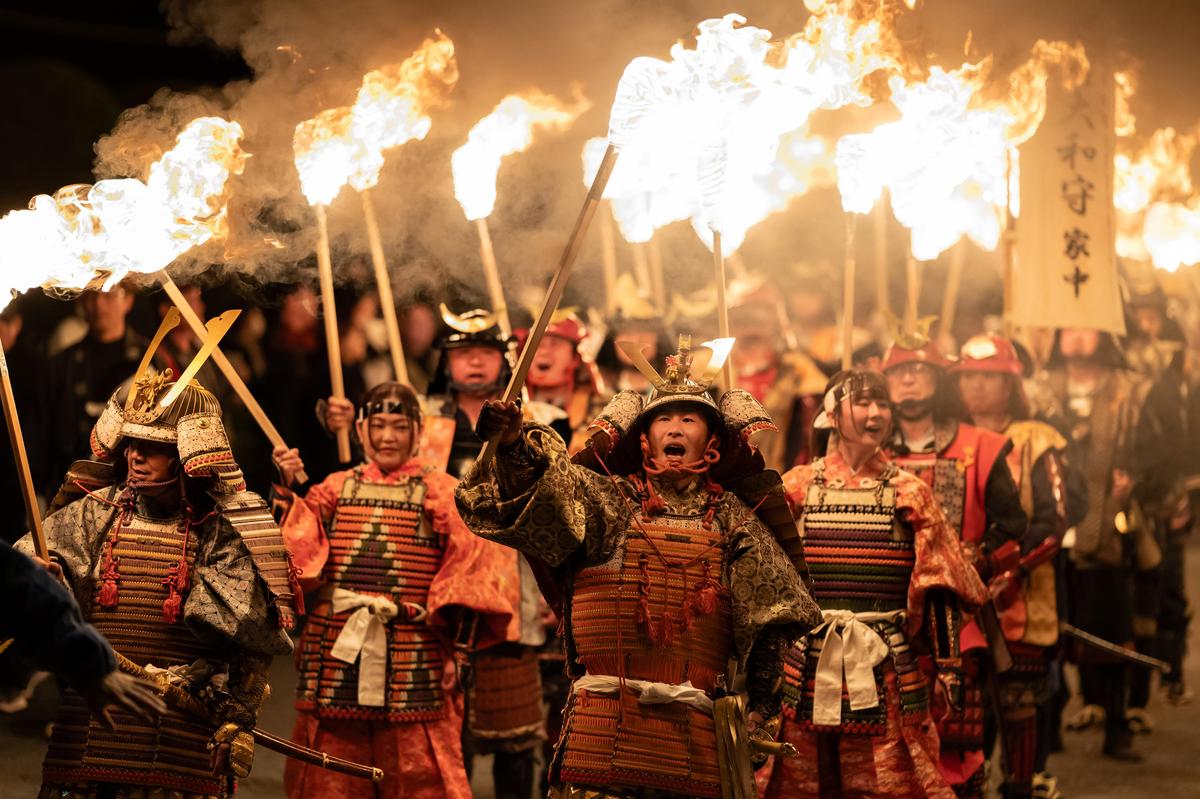
Bushi was the term used to refer to warriors, and a warrior family was called a buke. And it wasn’t used to refer to just any warrior. Those who called themselves bushi saw war and battle as their way of life (unlike those conscripted into the military). When the word ‘samurai’ first appeared, it was a colloquial term that held many meanings over time. Its original definition did not hold any military connection, and instead only referred to domestic servants. It was during the 12th Century that the word ‘samurai’ first held military association. Following this, it was used for foot soldiers who served the warrior vassals of the shogun. According to historian Michael Wert, “a warrior of elite stature in pre-seventeenth-century Japan would have been insulted to be called a samurai”. Soon, the term altered its meaning to refer to the retainers of a daimyo (feudal lords and vassals to the shogun). When usage of the term spread, common folk started calling every man holding a sword a samurai.
The armour
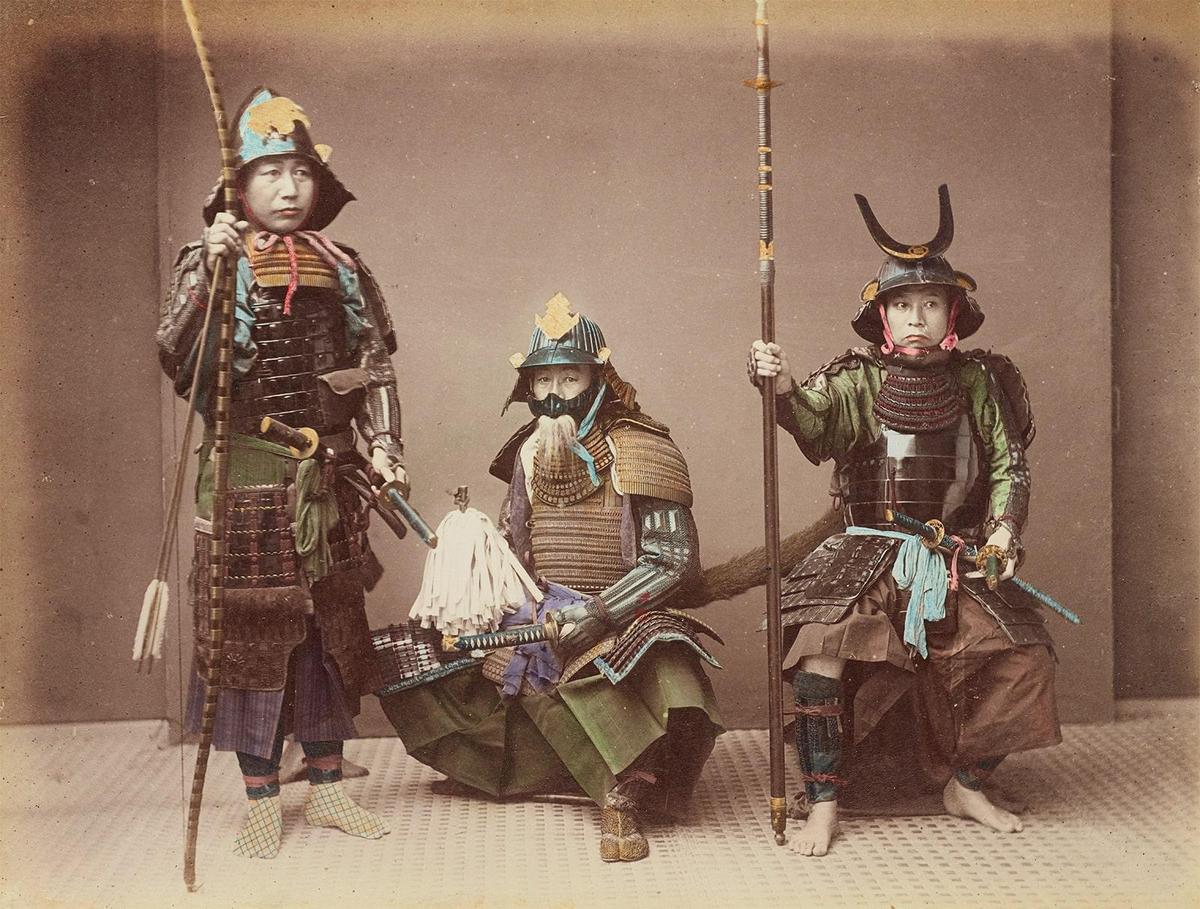
The first known samurai armour was called ō-yoroi (great armour). It was intended only for samurai of high rank who rode on horseback. The armour had a large plate on its left side that protected the samurai from arrows since that was where enemies mainly targeted. Samurai who were not of high class wore what was known as Dō-maru, which was much lighter. However, its design made it heavy and hard to move freely in. During the Kamakura period, a simple and lighter armour emerged, called hara-ate, which protected the front of the torso and the abdomen. Then came the haramaki, a chest armour, to which helmets (kabuto) and gauntlets (kote) were added. The last utilisation of samurai armour occurred in the year 1877.
The weapons
When you think of samurai, what do you picture? A warrior with a katana strapped to him? While a katana, or a one-sided blade, is a weapon used by samurai of Japan, it wasn’t the only one. The yumi, or longbow, was used for distance attacks. The naginata, a polearm, fell out of use due to its lack of manoeuvrability, and was replaced by the nagamaki. In 1586, the grand minister of that time, Toyotomi Hideyoshi, enforced a law which stated that those who weren’t samurai were not permitted to wield these weapons. Centuries later, when the borders of Japan were forced open for trade, imports of American and European weaponry came in – modern rifles – which were much easier to use than the traditional ones.
Bushido
Bushido is a term that is closely connected with ‘samurai’. But what exactly is it? Well, to put it simply, it is a code that is followed by samurai, and emphasises honour and other virtues that the warriors are made to embody. While the origin of this code dates back to the Kamakura period, it was officially formalised only during the Edo period. There were honour codes that pre-dated bushido, but the norms weren’t followed by many warriors during duels. In 1642, the Kashoki, a five-scroll text that provided explanations for the theoretical aspects of bushido and was written by samurai Saito Chikamori in a language that could be accessed by the commoners. There were many types of bushido throughout history. The Sengoku bushido placed importance on honour, war, and weapon mastery (not many moral values). Edo bushido saw duty and obedience as the main focus.
Education
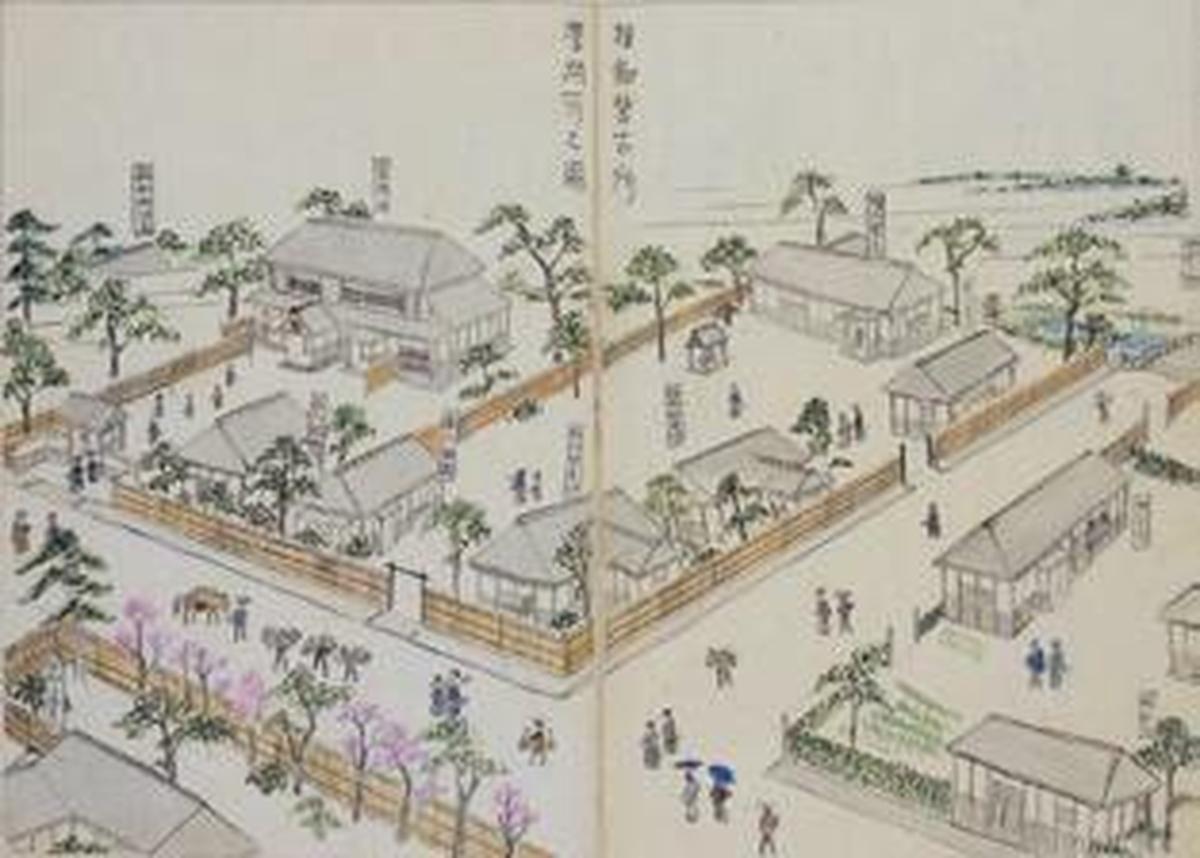
Samurai are known to have trained in many forms of combat skills like kenjutsu (swordsmanship), kyujutsu (archery), and tantojutsu (knife fighting). There were specific schools and institutes that trained students to become samurai. These were known as Han schools, or hankō. The lessons include calligraphy, Western sciences, math, samurai etiquette, military arts, etc. These schools were established by daimyos. While it started out teaching only adults, the students soon became younger boys. Military training normally began when students reached the age of 15.
There are also libraries that are specifically meant for samurai, singularly called a buke bunko, or a “warrior library” that held texts and books that covered military strategy, and lessons on warfare.
Names
Yes, a samurai’s name is something of great importance because there are many factors that go into addressing a man who is seen as one. A samurai was given a name that combined a single kanji from the name of either his father or grandfather, which is attached to another new kanji. One could be referred to by their family name or their formal nickname (yobina). But a samurai had the privilege to choose their own nanori (adult name), which was a private name that could only be used by a few certain people, one of whom was the emperor. They also had samurai surnames that differentiated them from common folk.
Women
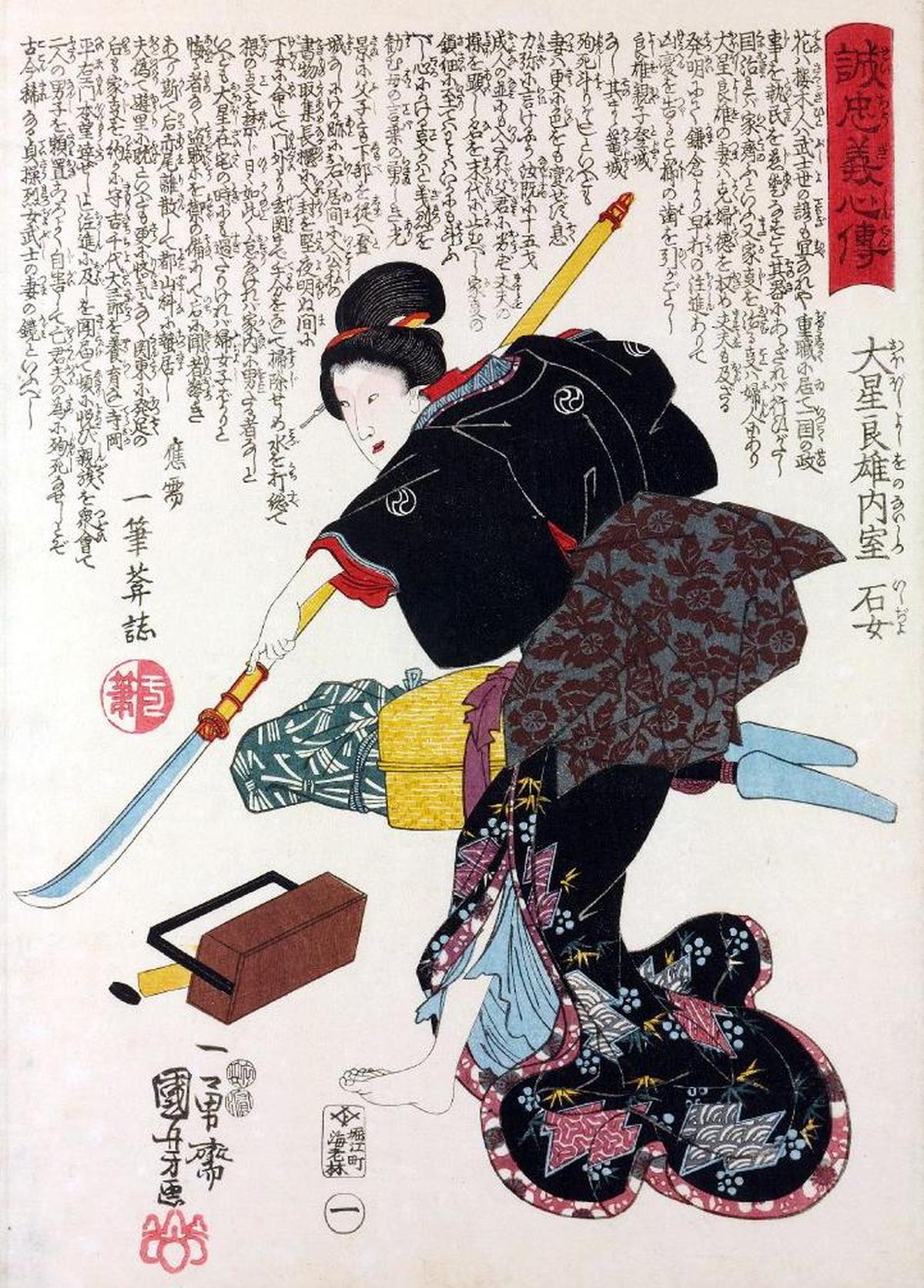
Women in the samurai class were also trained in weaponry, specifically the naginata and the combat skills of knife-wielding. Samurai women were referred to as Onna-musha. Their main duties were to look after the household duties, take care of the children, and defend the house in case of any attack. But while the biggest duty of women from samurai families was to secure diplomatic relations with enemy clans through political marriages, history shows many samurai women who had actively fought on the battlefield as warriors. One famous example would be Empress Jingū, born as Okinaga-Tarashi, who ruled as a regent following her husband’s death at the hands of rebel forces. Other samurai women from history include Tomoe Gozen, Lady Ichikawa, Miyohime, etc.
Ronin
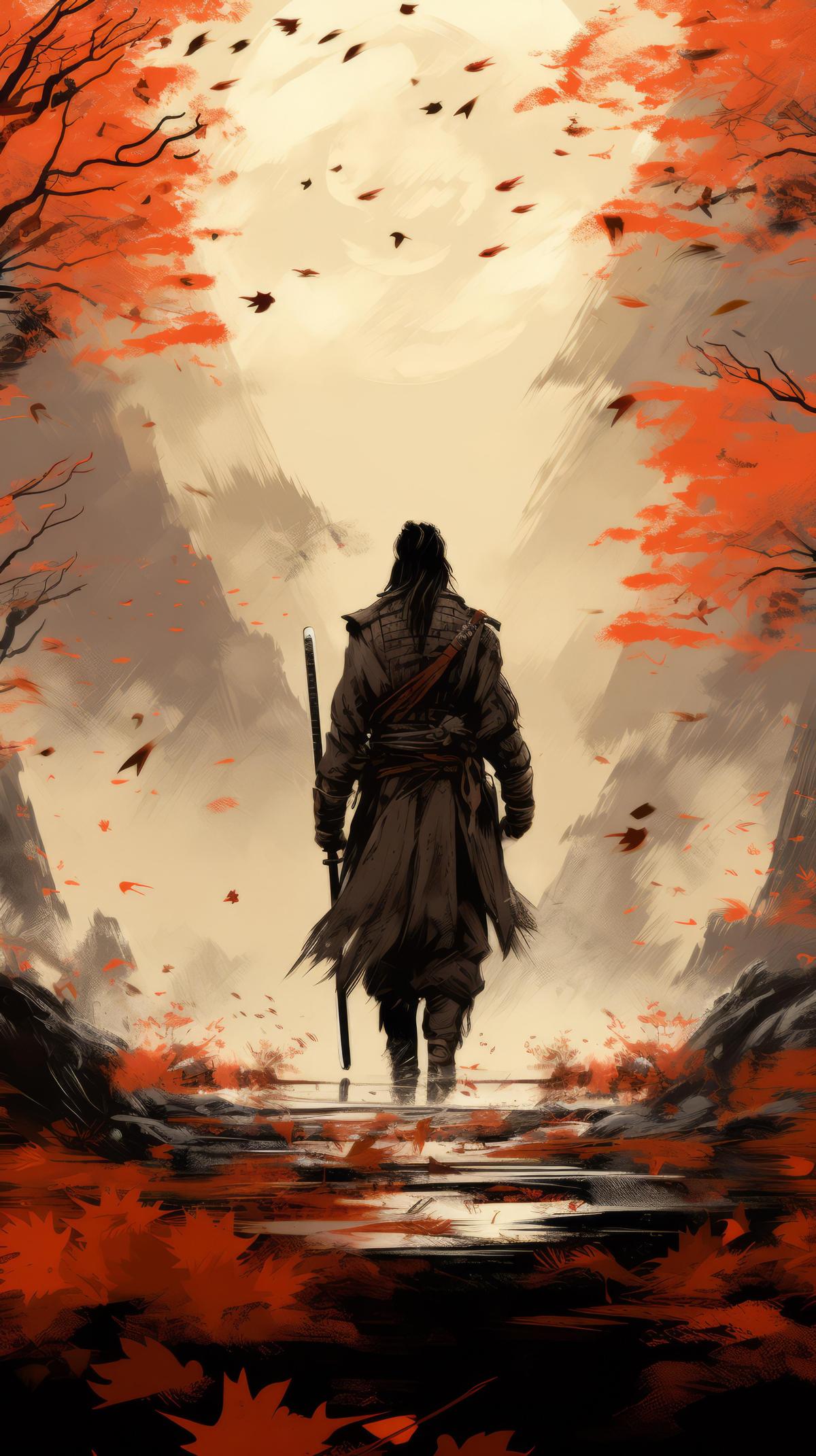
Now, here is another Japanese term many may know. But who exactly is a ronin? That would be a samurai with no master or lord to serve. When the master of a samurai (typically a daimyo) passed away, that samurai became a ronin right then and there. This also happens when their master removes their favour. Ronin were normally seen with two swords and were also occasionally seen with other weapons like bo staffs and bows. Even in modern Japan, the term ‘ronin’ was used to refer to an unemployed salaryman.
Published – January 19, 2026 03:29 pm IST
About the Author


