
You tell me. Where do I go? How do I get there?
Guidance is not a map. Road signs know that the best. If first, we were guided by our elders on how to navigate through and understand life, then second, we are guided by signs embellished around otherwise naked roads to dynamically navigate ourselves on the ground. The latter is quieter but equally present everyday. Most of the time, our brains register just enough to comply with the road safety regulations and the road, taken for granted.
Road signs have to be noticeable, readable, and immediately understood.
| Photo Credit:
Unsplash Images
The human and the road is an irresistible relationship cemented by road signs. GPS helps a part but ultimately our real-time spatial awareness and perusal of road signs gives us the smoothest experience of travelling to ‘somewhere’ (the destinations you want to reach).
ROAD SIGNS
are signs that appear near the road (at the side or above) displaying crucial information to the road users
Tale as old as time
I’ll tell you. Will you look for me?
The extensive road sign system that we use today once began as twigs, stones, even fires! Signs signal you. A road sign sends you signals regarding the road environment. Whether you catch it or ignore, is up to you (ignorance is not bliss in this case, trust me).
You can imagine scenarios of how the ancient humans must have made markings on the road to help them. It might have been to help them remember, or to not get lost when they return, or to guide another to follow the same path, and so on.
As civilisations blossomed one after the other, our way of life and the environments connected to it began to change. Simple archaic paths turned into a dense network of roads. It wasn’t easy then to place stones and call it a day. We needed different signs.
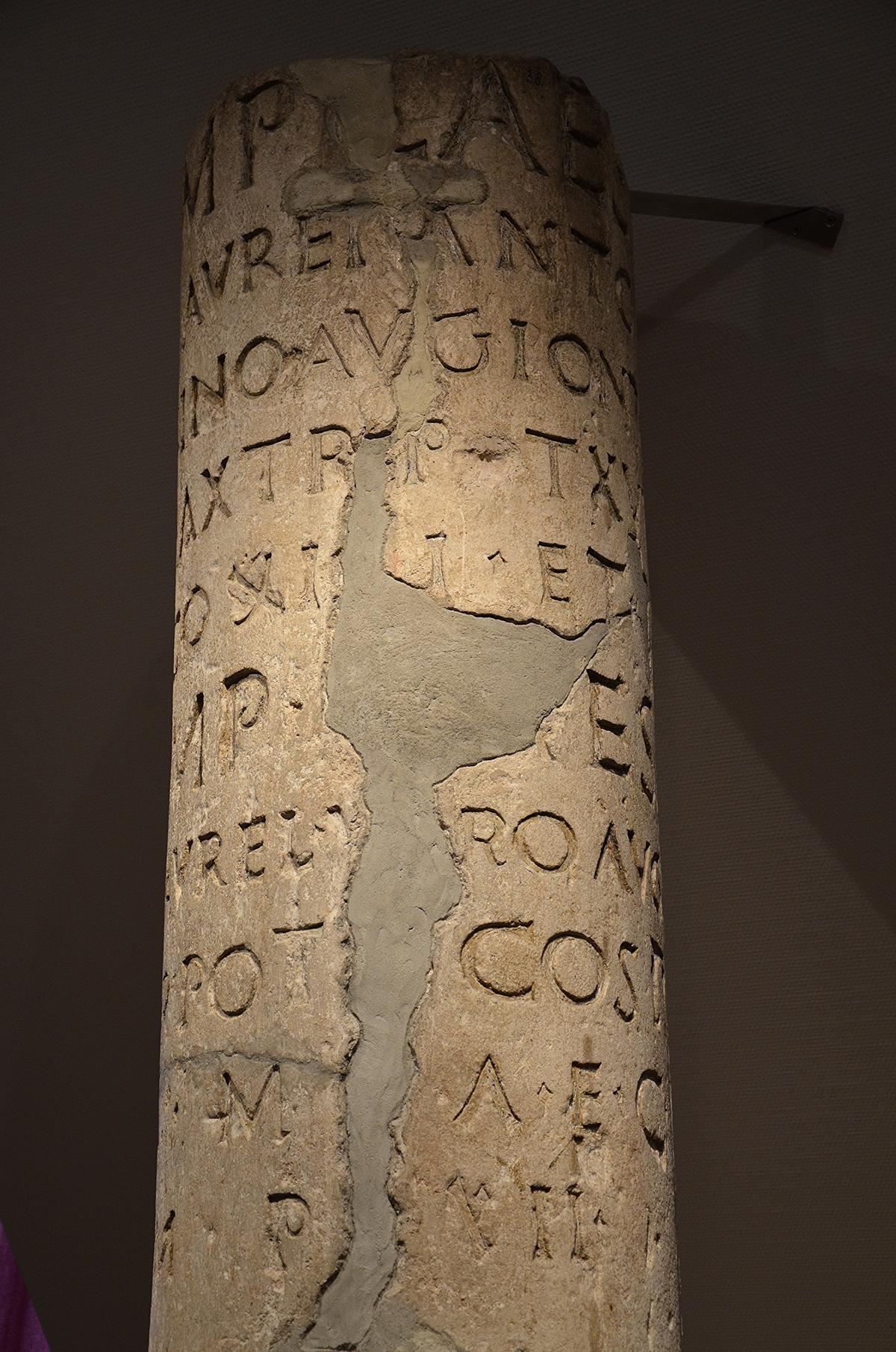
An old Roman milestone.
| Photo Credit:
Wikimedia Commons
The key to road signs is their visibility and ready help. They warn, they tell you to slow down, stop, take the other road, what to do, what not to do, all while on the road.
The network
Yes. But there are so many of you.
You see, you know why I love road signs? They make me connected to the visual frame around me. Unlike GPS whose satellite graphics make me seem like a game player on a mission, road signs standby like a well-wisher. Next time, look around the road while you’re on the road. How many types of road signs can you spot?
Finger-posts: A traditional, historic type of sign that shows you directions to multiple places nearby it. These can be spotted often at intersections.
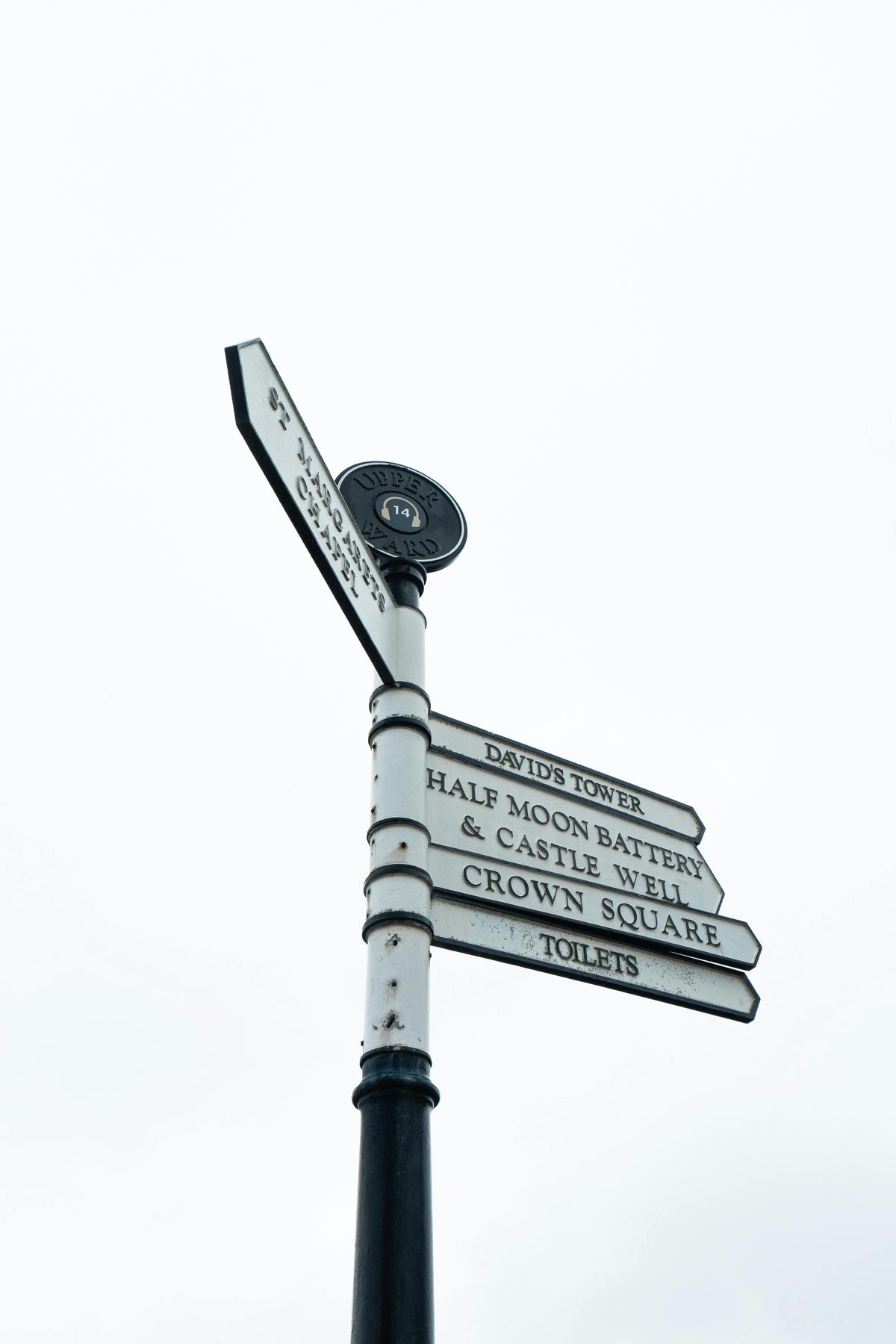
A finger-post.
| Photo Credit:
Pexels
Milestones: A stone sitting alongside roads that tell you the distance in miles. Centuries ago, travellers relied on these stones to keep up with the distance they had covered. Ancient Romans had used them to indicate the distances to Rome.
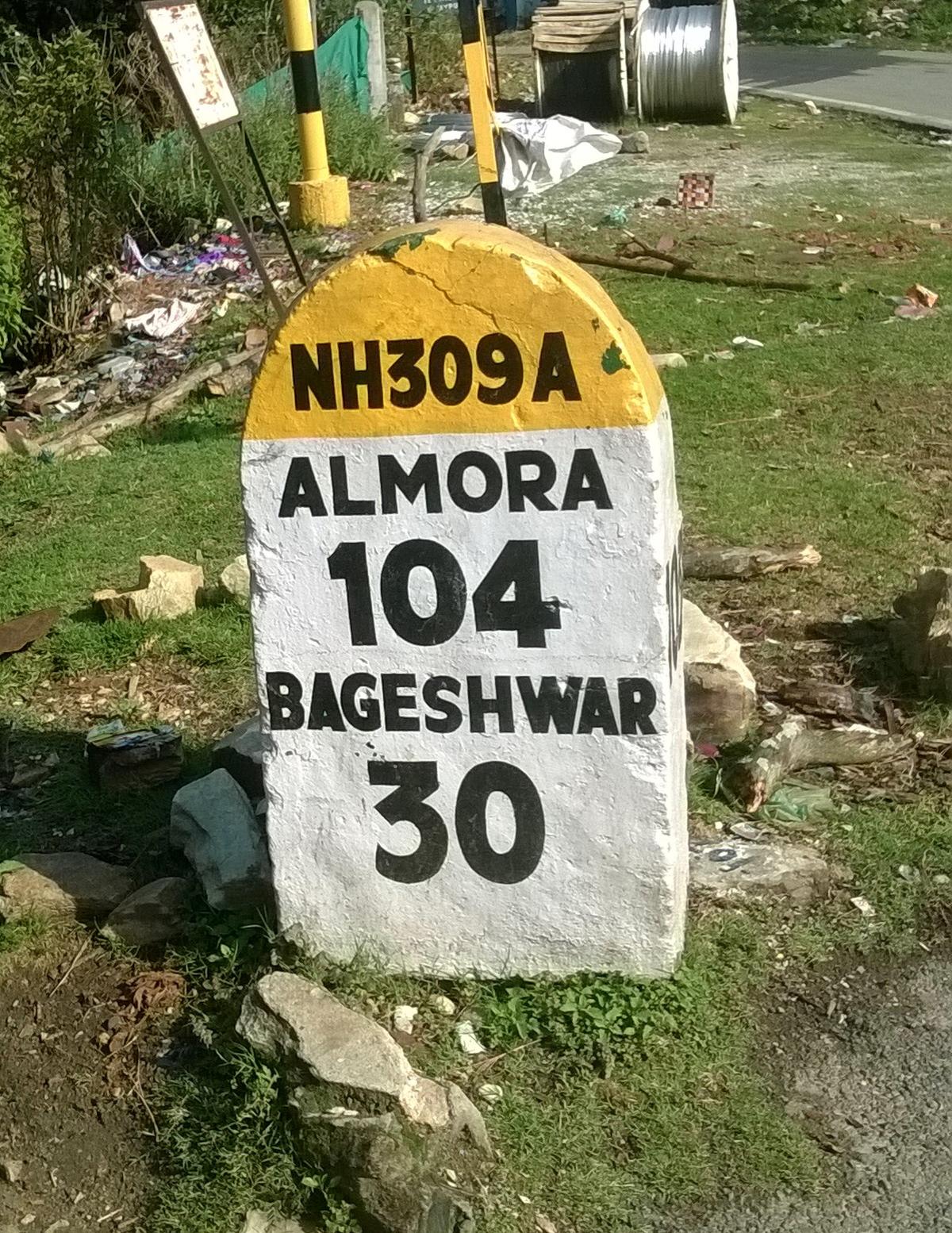
A milestone.
| Photo Credit:
Wikimedia Commons
Circle signs: These are mandatory. They must be followed. For instance, speed limits are often written inside circles. If you cross them, you’ll be fined.
Triangle signs: These are cautionary in nature. For instance, if there is a narrow road coming up, the symbol for it will be placed inside a triangle sign.
Rectangle signs: These give you information. The most popular examples are directional signs. The green signboards overhead that indicate which way a place is, how many kilometres are there to cover, etc. are directional signs.
If we endeavour to list out all categories of road signs with explanations, it will require more than these two pages which you are reading. Next time you see a unique sign, look it up or ask your teacher what it means!
Three basic types of road signs – danger warning signs, regulatory signs, informative signs
What is life without exceptions really?
There is one triangle sign that’s mandatory to be followed by the vehicle users. It is the inverted triangle. “Give way” means to yield. If necessary, drivers should stop as well.
The most important ‘stop’ sign: The distinct octagon shape is so that people can quickly distinguish it from other signs. No other sign has this shape and hence it cannot be misunderstood for another.
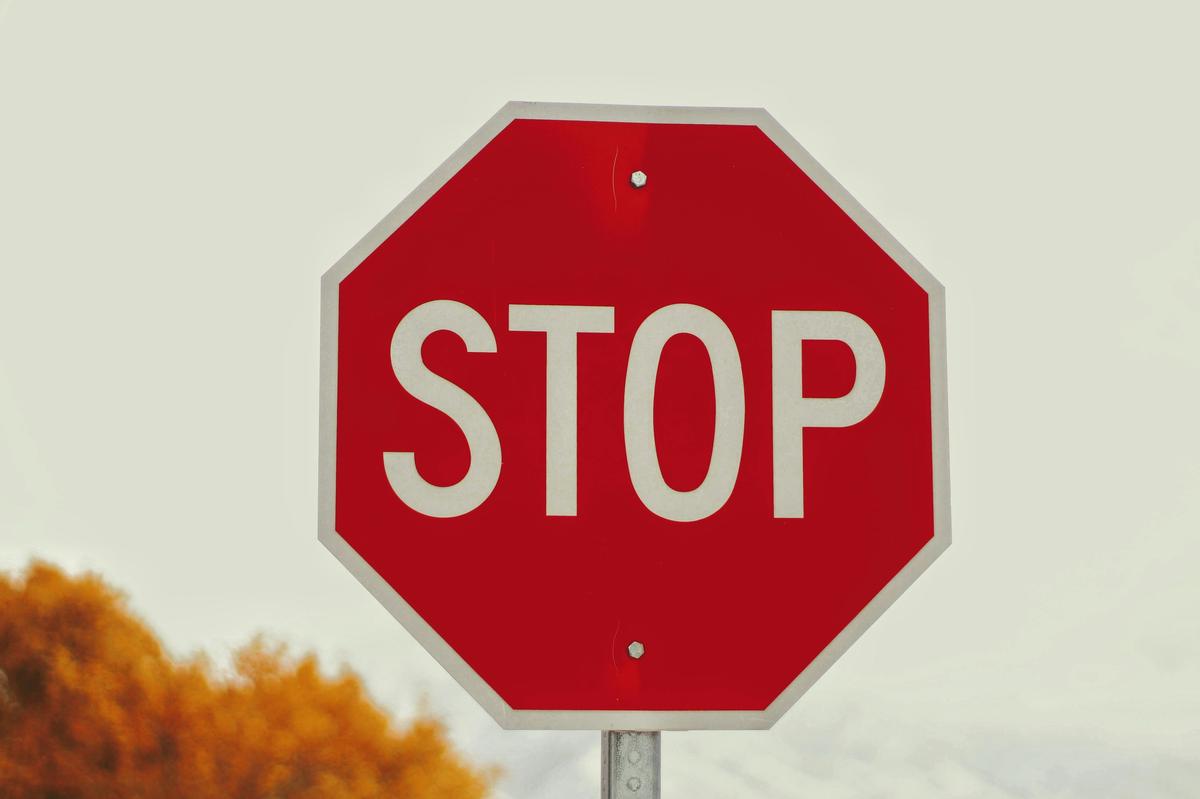
The most important ‘stop’ sign.
| Photo Credit:
Unsplash Images
Indian Roads Congress (IRC) is the body which governs Indian road signs.
I could be red, or I could be yellow, I could be blue…
While they differ in shapes, road signs are also different when it comes to colours. Some are red, others green, another few navy, a bunch of yellows, and so on. Each colour was not chosen randomly.
-
Red – since we associate red to danger and alarm, this colour is used for warnings.
-
Green – Highway signs are green. Green is processed by our eyes quickly and hence used by many directional signs.
-
Orange – This color usually indicates construction.
-
Yellow – A common colour among road signs, yellow is a bright colour that catches attention.
-
Blue – is an easy to read color and is often used while giving information.
The 1870s saw the growth of the first modern road signs, the kind that has become staple to the road environment today.
Since roads are used by everyone, it is significant to have them accessible to all. Auditory or talking traffic signals are used so that road signage is accessible to the differently-abled. Including braille texts are becoming a common practice which helps to make the signs understood.
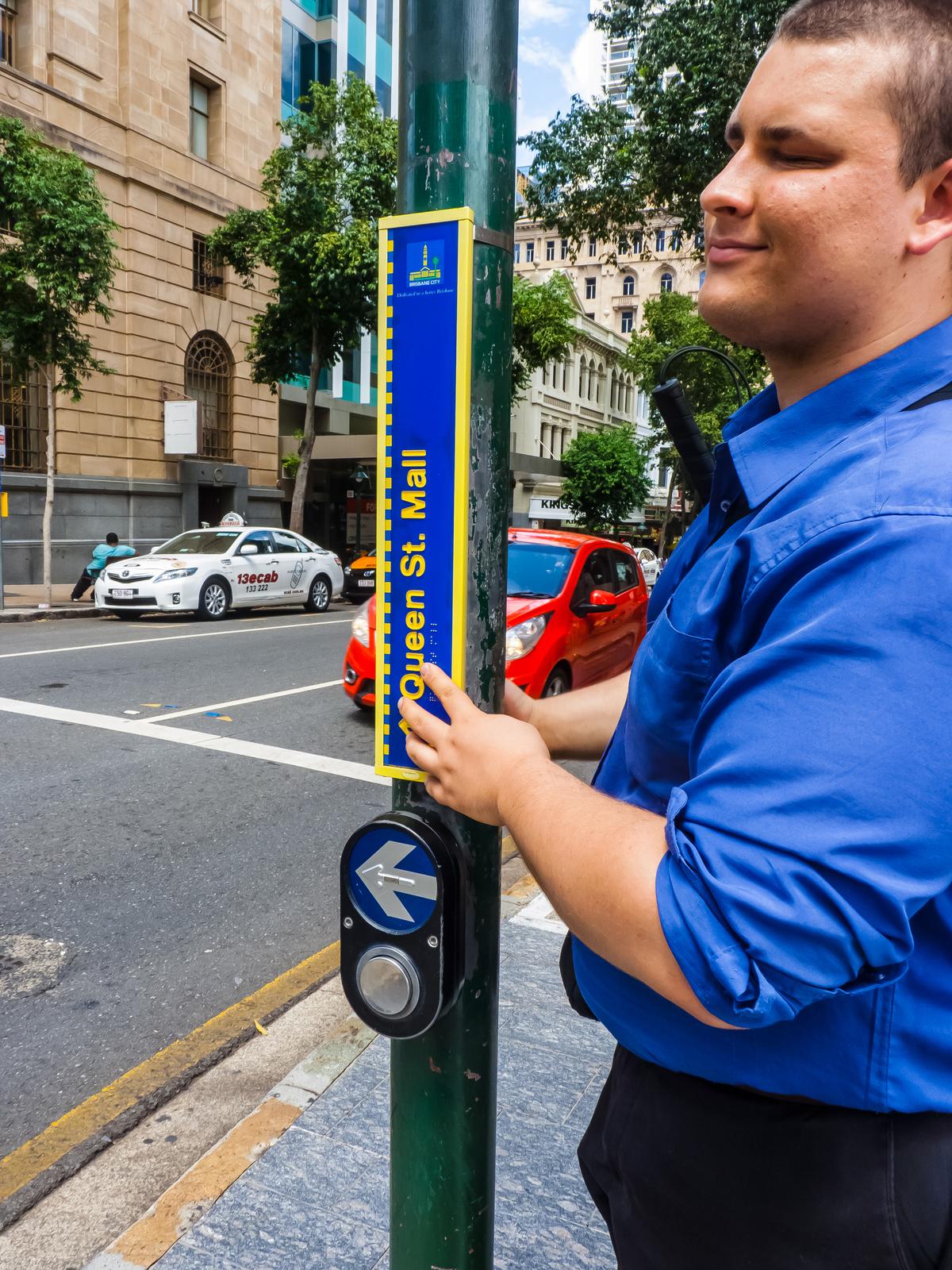
Reading braille tactile road sign.
| Photo Credit:
Wikimedia Commons
The road ends
Signs are a language of its own. Within the road environment, these signs have set up an entire communication system. If you come to think about it, before words and verbal communication were created, we did communicate via body language and gestures. If you find all this interesting, you may want to hop onto “semiotics”, the study of signs (trust me again on this).
Published – December 01, 2025 10:00 am IST
About the Author


