
As summer draws to a close and the warmth fades, the flashing colours of the butterfly seem to dwindle from gardens and fields. But these delicate creatures do not just disappear. They have adapted to survive the cold and cruel months of winter, when their fuel sources become scarce and the cold bites. They migrate thousands of miles to warmer climates, carried on air currents that sweep them up into pockets of warmth, and await their summer destinations. As per a study named “Climate change effects on animal ecology: butterflies and moths as a case study” published on PubMed Central, other butterflies stay relatively near their original habitats, entering an insect state of dormancy known as diapause, hiding away under the shelter of bark, leaves, or loose soil. Some overwinter in hidden life stages to resume life when spring arrives. Butterflies that overwinter are an example of resilience and adaptability, despite their fragile beauty.
What happens to butterflies in winter
The following pointers will help you understand what actually happens to butterflies in cold weather.
- Migration to warmer climates
Some species of butterflies defy the winter season by migrating over long distances. For example, the monarch butterfly migrates south to escape the freezing temperatures of the winter season. In North America, the migratory path of the monarch butterfly can be up to 3,000 miles in search of an overwintering location.
- Overwintering where they are
Not all butterflies migrate. Many remain in their backyard, preferring to ride out the year where they land. This brings them the protection of shelter and the ability to snooze the year away, hidden away in small tree crevices, wood piles, curled leaves, under rocks, or leaf litter. The mourning cloaks and comma butterflies, for instance, spend the year as adults, hidden away, and remain inactive until spring.Winter may not be winter at all for some butterflies when it comes to their life cycle. Some actually live out the winter seasons as eggs, caterpillars, or chrysalises, with all these life stages undergoing a type of metabolic shutdown, or ‘diapause,’ when faced with the cold weather and the lack of food sources. For example, some swallowtail and white butterflies actually live out their winter as chrysalises hidden within some shrubs or leaf litter, only coming out when the weather becomes warm again and when spring blooms appear.
- Natural antifreeze and diapause
Butterflies have ways of dealing with frost, and these are quite ingenious. Many butterfly species can secrete antifreeze-like substances to prevent ice crystals from forming in their bodies. They also lose water and slow down their metabolism to protect themselves from frozen tissues. Whether they are hidden as adults or tucked in a chrysalis, these physiological adaptations are necessary to see the butterflies through the chilly months.
What to do if a butterfly enters your house?
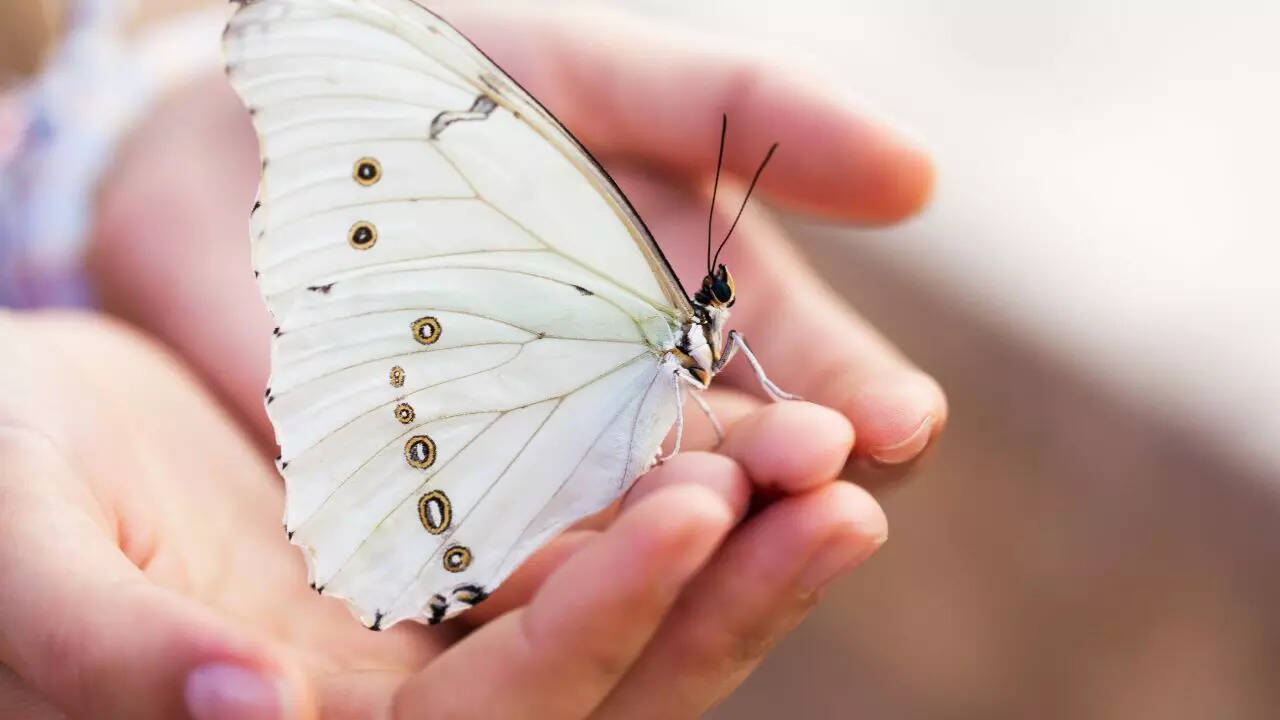
In case the butterfly is inside during the winter months, it has likely been disturbed from its resting spot by indoor warmth. Do not touch its wings, as they would be amazingly fragile. If possible, coax the butterfly into a small box made of cardboard, poked with a few holes for breathing. Line the bottom with tissue paper or dried leaves, giving it something to hold on to. Place the box in a cool, dark, and quiet area, perhaps the garage, a balcony corner, or an unheated room. Do not release the butterfly outside in the cold, because a sudden temperature change may cause it harm.
About the Author


