
When photographer Mohit Mehta landed in the Andaman and Nicobar Islands after a four-year gap, he expected familiarity: the turquoise waters, the stillness of mangroves, the flash of rare birds cutting through forest light. What he didn’t expect was anger.Driving past stretches of road lined with garbage, Mohit Mehta (@indian_pitta on X) did what visual storytellers instinctively do: he documented it. His social media post describing the “devastating state” of the islands quickly snowballed into a nationwide debate. Commenters blamed authorities, mass tourism, poor civic sense and even international plastic waste drifting ashore.The conversation turned sharp. Emotional. At times, accusatory.But beneath the noise was something quieter and more human: disappointment from someone who genuinely loves the islands.For Mehta, his post on X that read, “Devastating state of Andaman. It’s truly heartbreaking to witness this. Almost every roadside is piled with garbage. I’m visiting after four years, and the condition of the islands this time is deeply disheartening. A place known for its pristine beauty deserves so much better,” came from a place of deep disappointment and genuine care. It was never meant to be an attack. It was a reaction, an emotional response to seeing a place he associates with beauty struggling under visible strain.
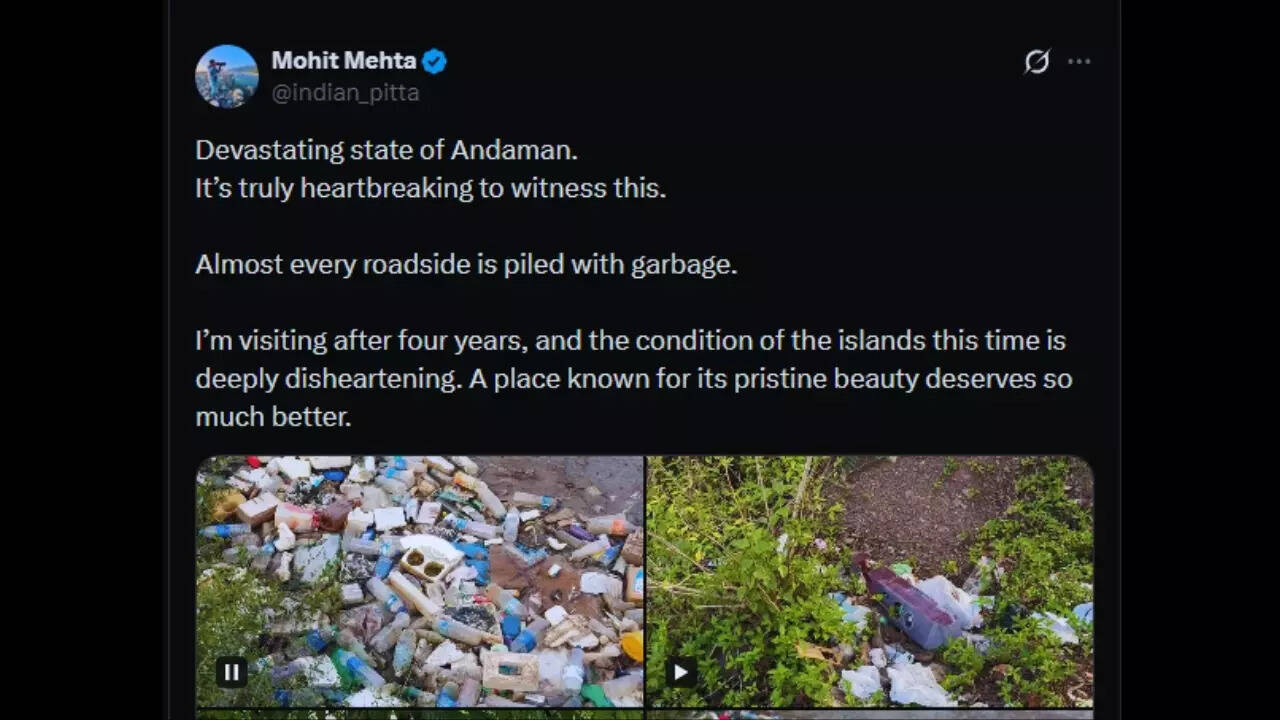
Mohit Mehta on X
“The intention was awareness”
In an exclusive conversation with Times Travel, Mehta reflected on what compelled him to share those now-viral images.Times Travel: When you shared those images, what was your intention — awareness, accountability, or something else?Mohit Mehta: The intention was obviously awareness. I was disturbed to see that a place I truly love was filled with trash. I have some wonderful memories from my last trip, and I’ve always said that Andaman is a wonderful place to visit in India. But this time, seeing garbage along the roads really upset me. It’s not just about the authorities, every individual has to take responsibility. Sustainability should be a shared objective for both the public and the administration.
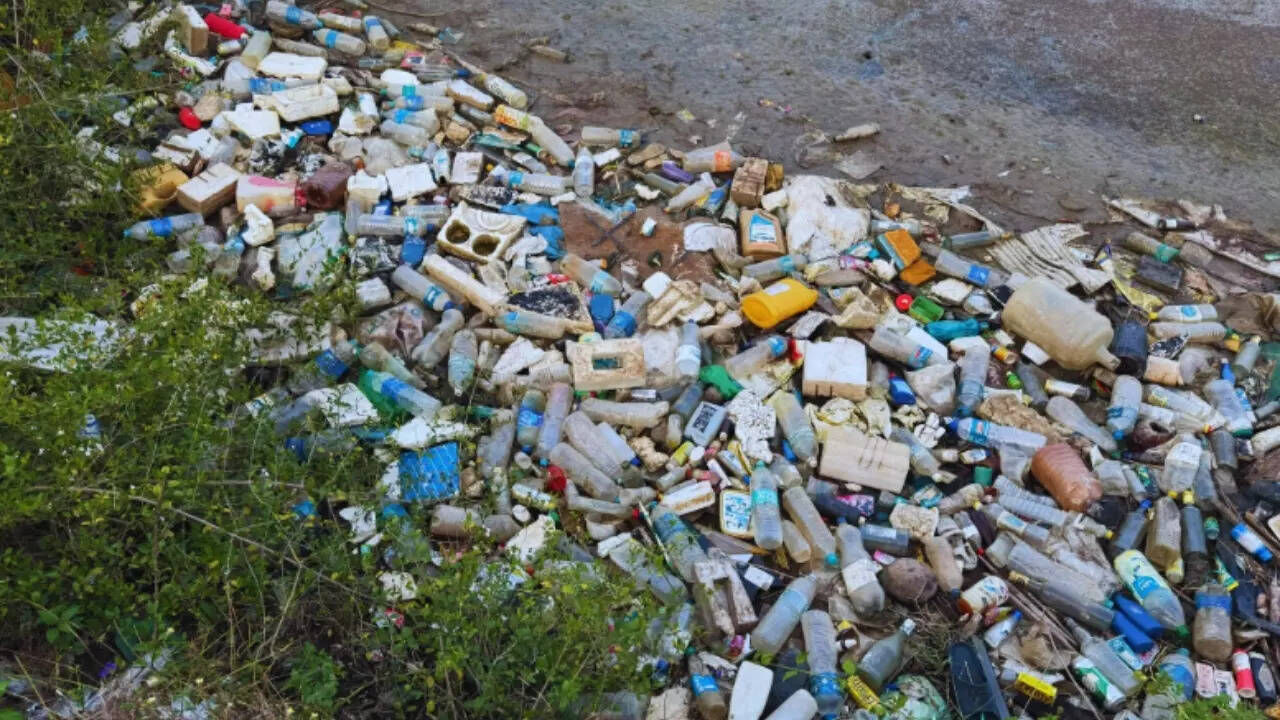
Roadside garbage in Andaman and Nicobar. Photo credit: Mohit Mehta
This brings us to an understanding that sustainability should be the object of people and administration both. His emphasis is telling. While the online debate quickly veered toward blame, government failure versus tourist irresponsibility, Mehta sees the issue as shared responsibility.The Andamans, after all, are not just a postcard destination. They are a fragile ecosystem of forests, wetlands, coral reefs and unique wildlife, vulnerable to both local waste management gaps and global marine pollution that washes in via ocean currents.
The islands that shaped his lens
Times Travel: As a photographer, what first made you fall in love with the Andamans?Mohit Mehta: There are around 20 endemic species in the Andamans, and the islands offer a wide variety of habitats — wetlands, forests, ecological parks, and grasslands — which make it an incredible place for bird photography and wildlife watching. The scenic beauty of the beaches is another reason I was drawn to it.When we look at Mehta’s outlook, his love for the destination, the visible garbage does feel particularly jarring.
From outrage to ownership
The viral reaction to his post revealed a deeper tension: India’s growing tourism economy versus environmental sustainability. The Andamans have seen rising footfall in recent years, with improved connectivity making them more accessible than ever.But Mehta resists the idea of pointing fingers at one group.Times Travel: Should responsibility lie more with authorities, tourists, or both? What role can travellers play in protecting fragile ecosystems?Mohit Mehta: I believe responsibility lies with both. Everyone should think about how they can reduce plastic waste. There are always ways to minimise plastic use, and proper waste disposal must become a priority.His answer shifts the narrative from condemnation to collaboration. Sustainability is not a slogan, it’s a behavioural shift. Refusing single-use plastics. Carrying reusable bottles. Disposing waste responsibly. Supporting eco-conscious operators. Small actions, multiplied by thousands of visitors, can change the trajectory of a destination.
A love letter, not a farewell
Despite the storm of criticism his post triggered, Mehta hasn’t lost faith in the islands. The beaches still shimmer at sunset. The forests still echo with endemic bird calls. The wetlands still offer moments of quiet magic for those willing to look beyond the headlines. If anything, his message is rooted in hope, the belief that awareness can lead to action.The Andaman and Nicobar Islands have long been celebrated as one of India’s most pristine destinations. Whether they retain that reputation will depend not only on policy decisions, but on everyday choices made by travellers and residents alike.And sometimes, the strongest expressions of love are the ones that demand better.
About the Author


