
Every December, the familiar cycle returns — predictions, palettes, and the quiet dread of “What am I going to wear for New Year’s Eve?” It is a cultural reflex by now: Will sequins reign again? Will black dominate, or will everyone pivot to maroon, olive, Champagne or silver? For years, the very concept of party dressing in India has been built around this ritual of forecasting and conformity.
But something has shifted. When measured against how people are actually dressing today, these annual preoccupations feel increasingly out of step. Because while we still enjoy a touch of shine and a well-behaved elevated basic, India’s night-out aesthetic has moved steadily towards something more personal. We are now living through an anti-trend era, where dressing for the night feels instinctive rather than instructed.
Partywear has become softer, more intuitive, more emotionally charged. And suddenly, the most interesting trends are not trends at all — they are countercurrents.
The turn towards meaningful wardrobes
This shift begins not with clothes, but with the people wearing them.
Tanya Mehta in an evening look from her label, Moving Parts
| Photo Credit:
Tanya Mehta
Mumbai-based fashion consultant and writer Tanya Mehta, who launched her label Moving Parts this year, encapsulates a generational transition. “As a teenager, I remember hunting for the perfect New Year’s Eve dress — something sequinned, something that fulfilled the fantasy,” she recalls. “It rarely lasted beyond the occasion.”
With time, her approach changed. “I’ve veered away from anything explicitly ‘party’. Now, I gravitate towards pieces that feel timeless or quietly disruptive, especially black separates that can live beyond one night.”
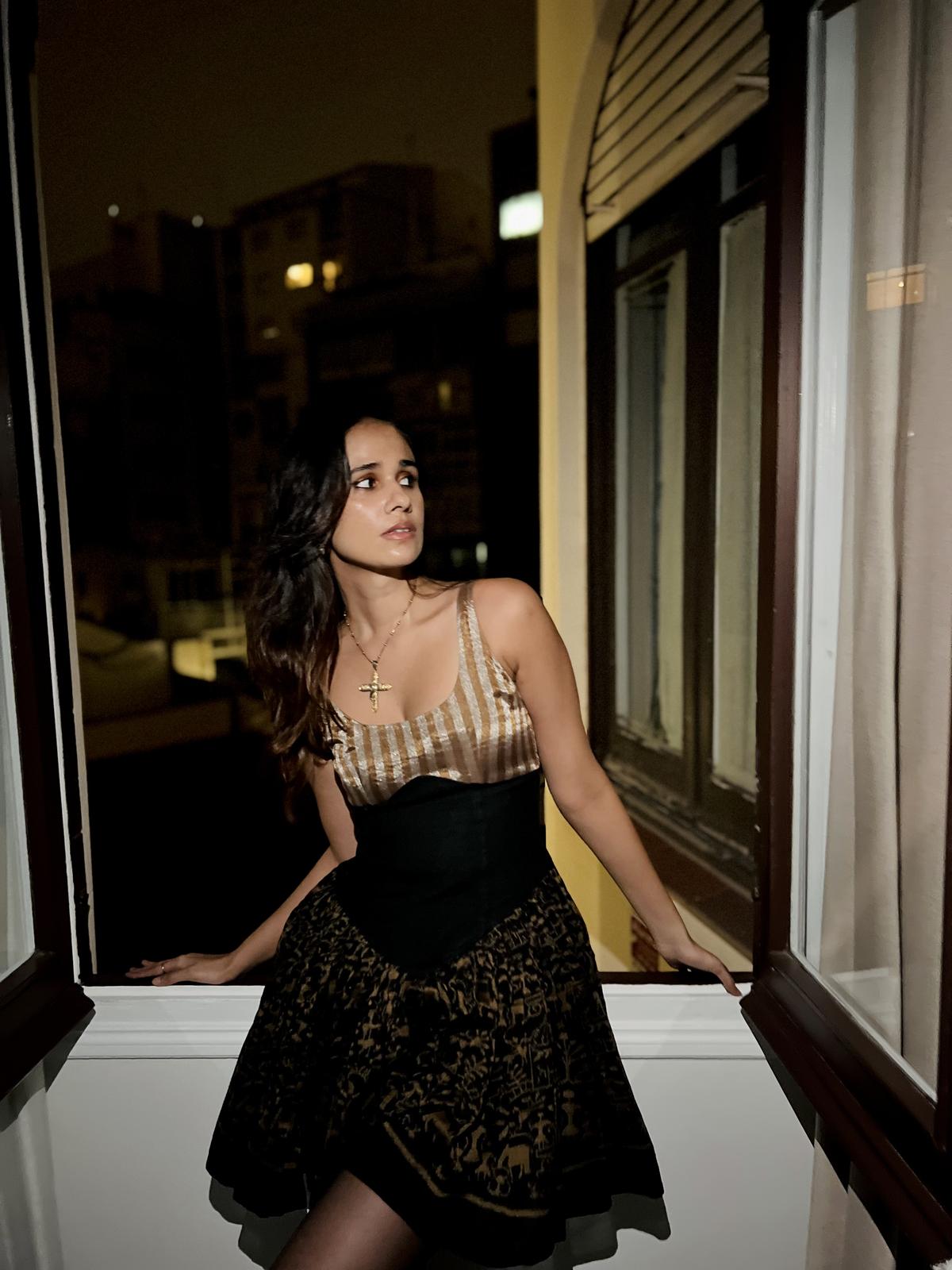
Tanya’s outfit created with a silk tissue and jute bodice and a full skirt in handwoven Ikat
| Photo Credit:
Tanya Mehta
Her label reflects the same instinct. Moving Parts proposes a new vocabulary for “going-out dressing”: draped ikat bustiers paired with masculine trousers, silk-tissue slip dresses that move gently with the body, handloom fabrics shaped into sculptural forms. “These silhouettes feel more authentic to personal style,” she says. “They offer a way to opt out of the sartorial conformity that December tends to impose.”
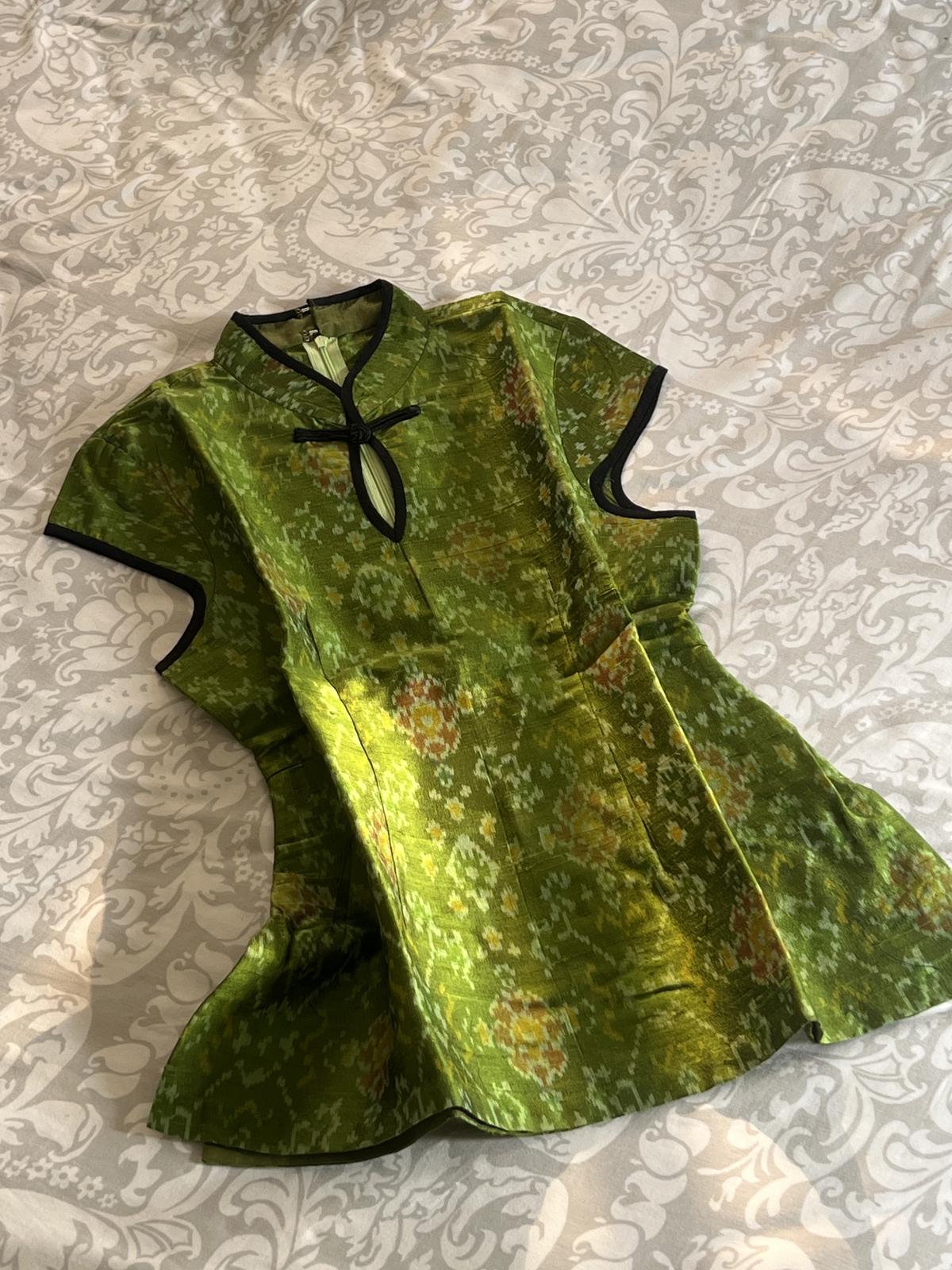
The broader shift mirrors her philosophy: people are dressing for themselves, not the event. Borrowing, upcycling, rewearing, rediscovering, it is evident now that wardrobes are becoming emotional ecosystems.
Nostalgia as personal style
If the past decade’s partywear relied on novelty, this era relies on familiarity. Designers Vrinda Sachdev and Gurinder Singh, who founded Qbik in Delhi in 2011, have witnessed this shift first-hand. Their label, known globally for its tactile experimentation and the now-iconic The Wave bralette introduced in 2023, has built its identity on surfaces that feel both futuristic and intimate. And yet their clients’ preferences are turning inward, not outward.
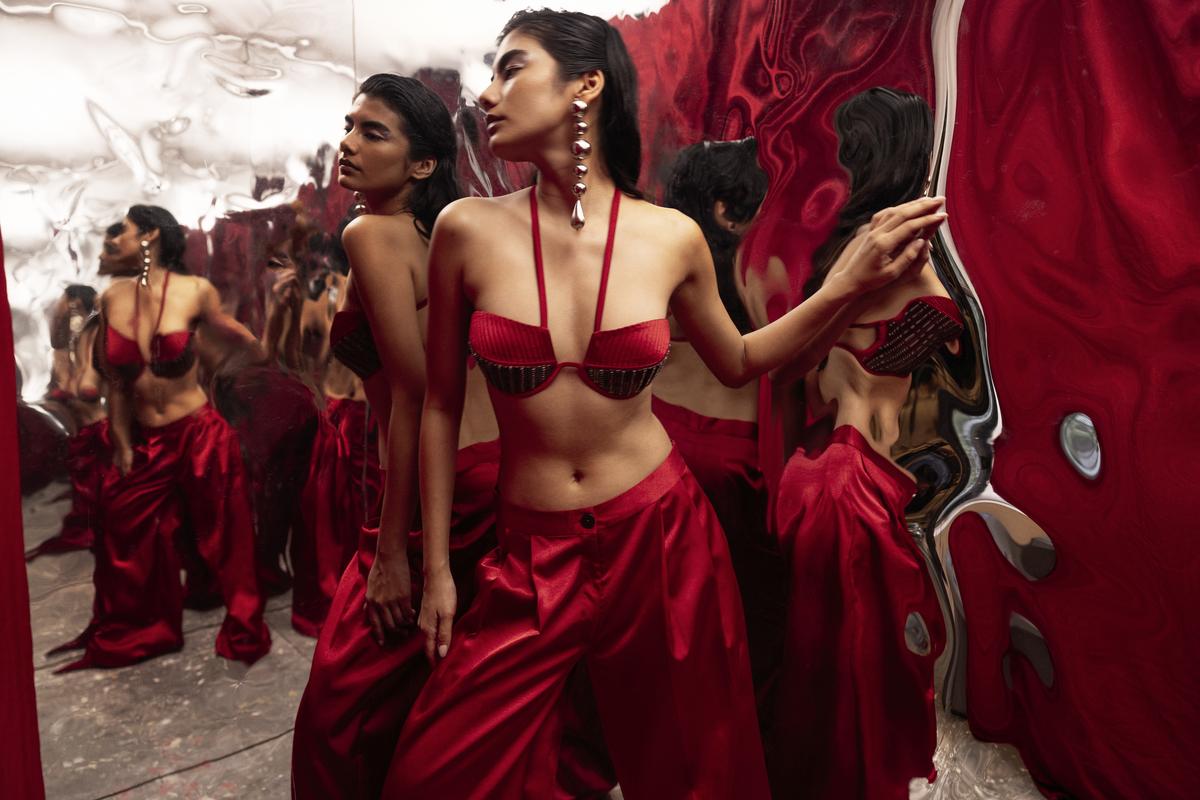
Disco Discord collection by Qbik
| Photo Credit:
Adil Hasan
“People don’t want to dress like a campaign anymore,” says Vrinda. “They want to dress like themselves. There’s comfort in reaching for pieces that already hold a memory — a saree that drapes exactly the way you like, a blouse you’ve danced in.”
Their interpretation of anti-trend is not synonymous with minimalism. “It’s not about austerity. It’s about meaning,” says Gurinder. “It’s instinctive dressing. It’s choosing textiles and silhouettes that already feel like part of your language.”
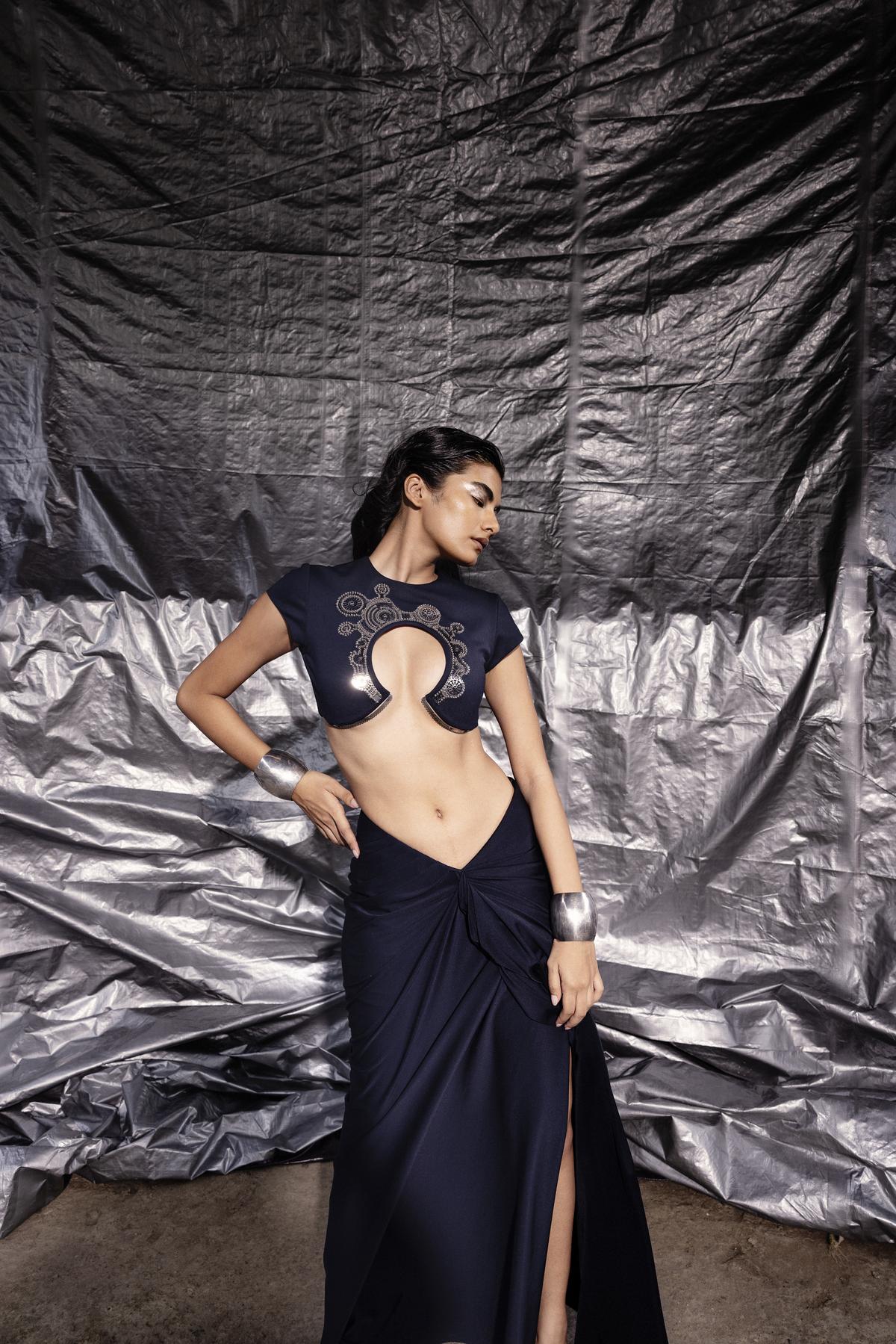
Disco Discord collection by Qbik
| Photo Credit:
Adil Hasan
For Qbik, this means inviting clients to bring older garments back for reinvention. A blouse can be re-engineered, a dupatta re-draped, a surface reimagined. “Personal style isn’t about acquiring something new for every moment,” they say. “It’s about evolving what already belongs to you. This is one of the most defining countercurrents of the moment: memory has become a material.”
Texture as subtle glamour
Perhaps one of the most interesting shifts is how glamour itself is being redefined. Where partywear once sought attention through embellishment and shine, it now seeks expression through tactility. Texture — softness, structure, grain, sheen, coolness — has become the new form of depth.
As Vrinda puts it, “Texture is where emotion hides. Glamour doesn’t need to shout. It can whisper through a sculpted neckline, a softened metal curve, a riveted grid.”
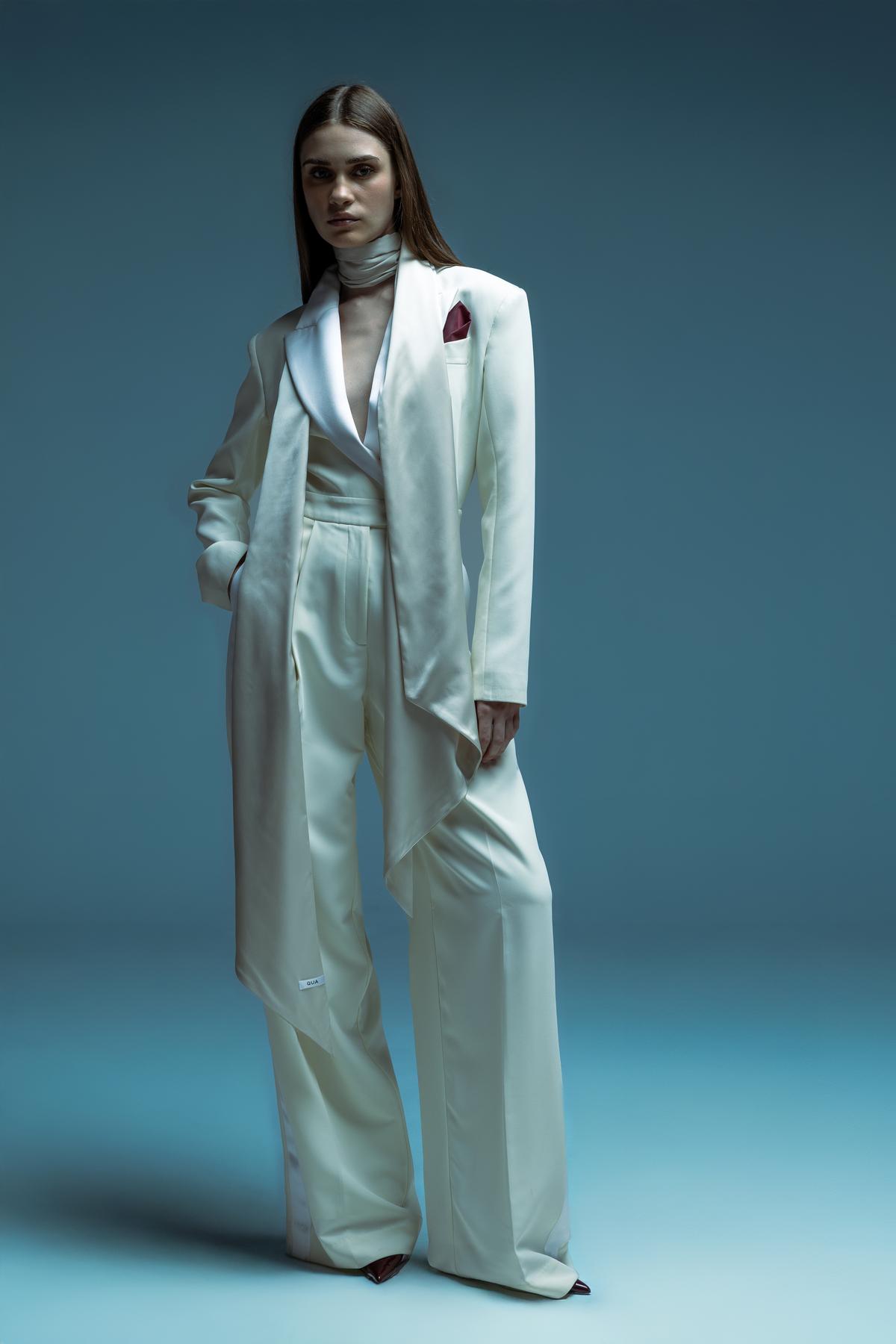
A look from Qua
| Photo Credit:
Hansraj Dochaniya
This evolution is equally central to Qua, co-founded in 2019 by Divya Agarwal, whose label sits at the intersection of clean tailoring and maximal textiles. “Trendiness has become the new basic,” says Divya. “When everything global is instantly accessible, it stops being a marker of taste. People want clothing that signals discernment, not consumption.”
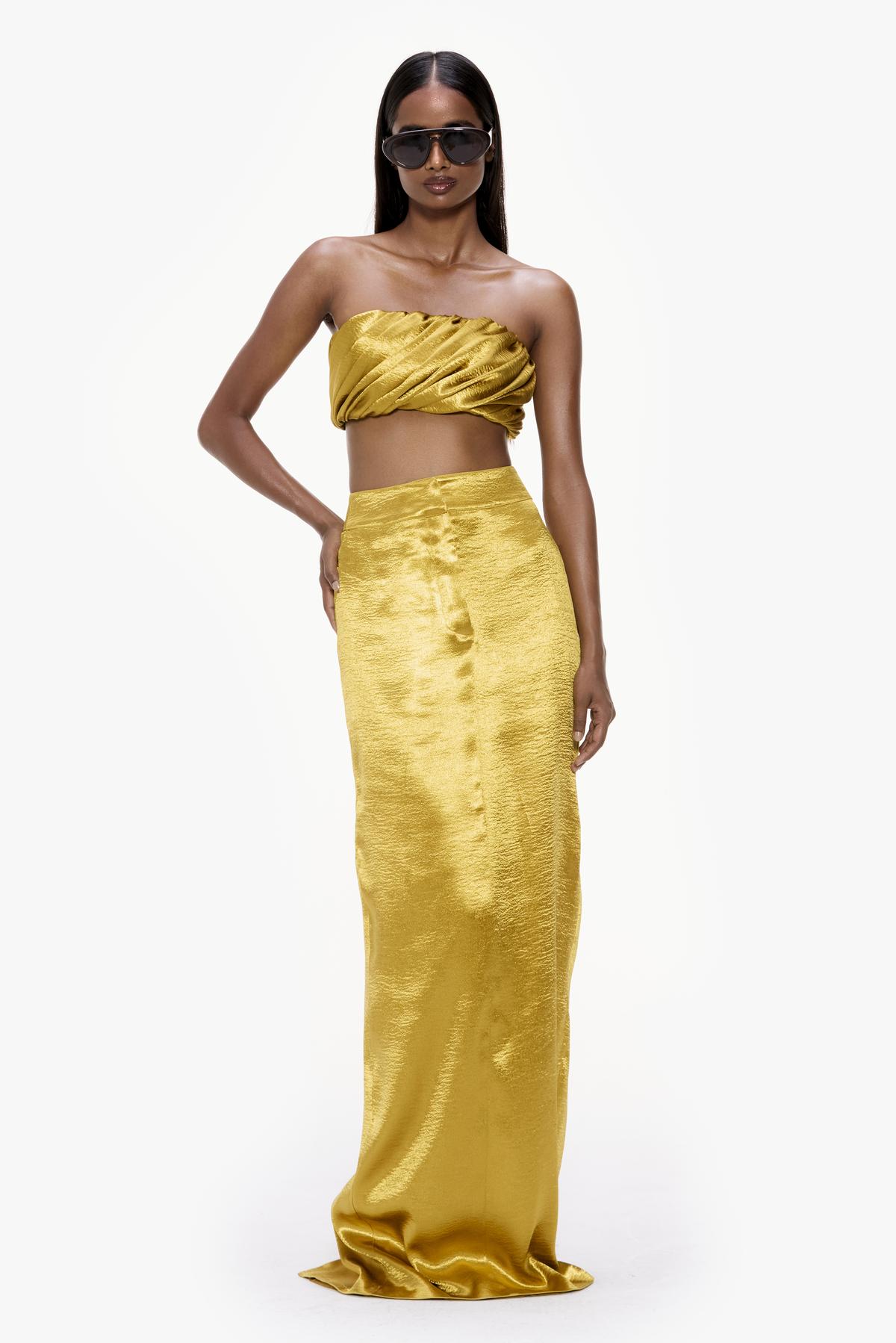
A look from Qua
| Photo Credit:
Special arrangement
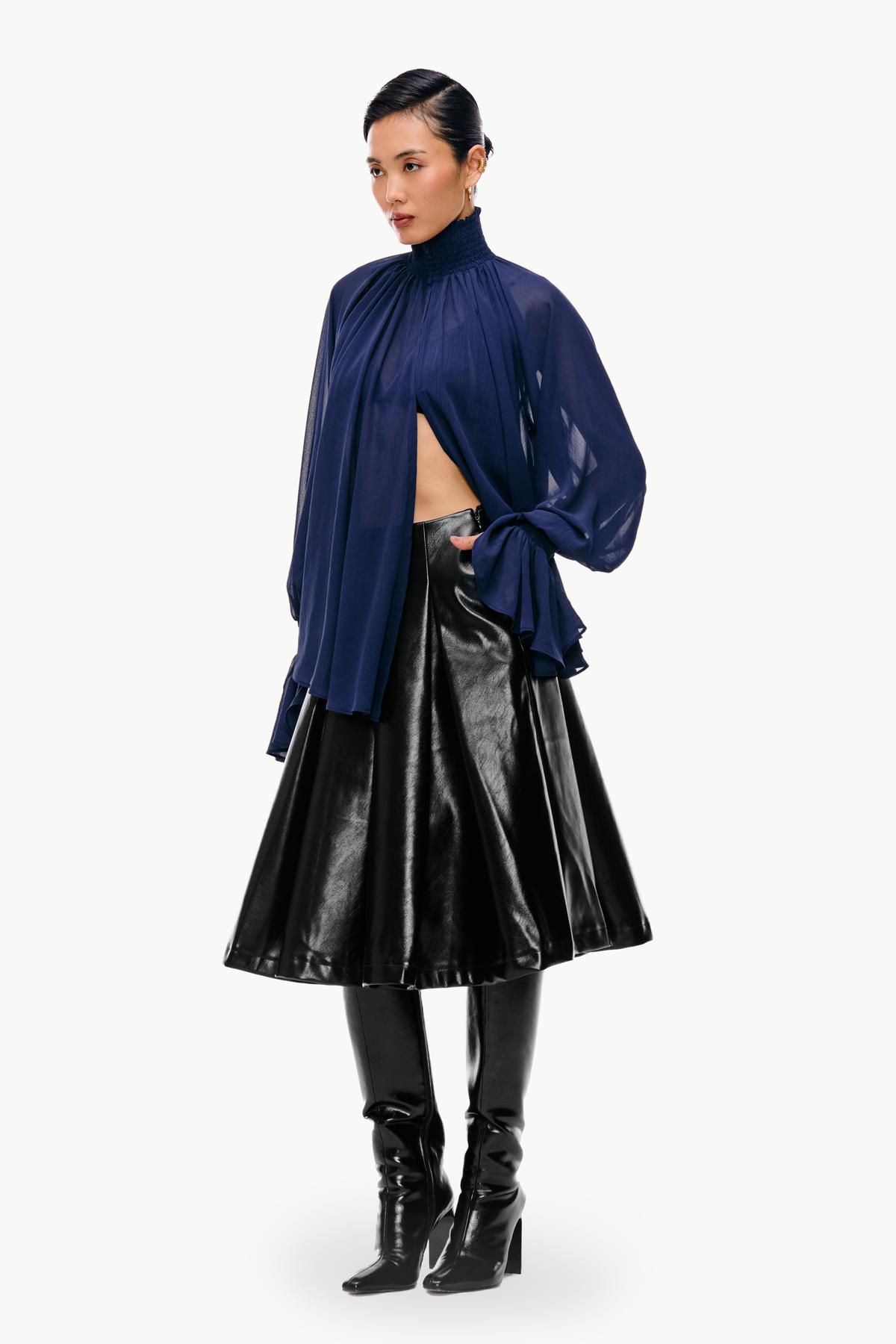
A look from Qua
| Photo Credit:
Special arrangement
At Qua, the result is a philosophy she calls bold minimalism .“The silhouette stays clean and unfussy,” she explains. “The fabric carries the drama — molten textures, faux fur, liquid satins, jacquards, leathers. These introduce depth without tipping into excess.” For many modern dressers, glamour is no longer a performance but a sensation.
Menswear’s emotional expansion
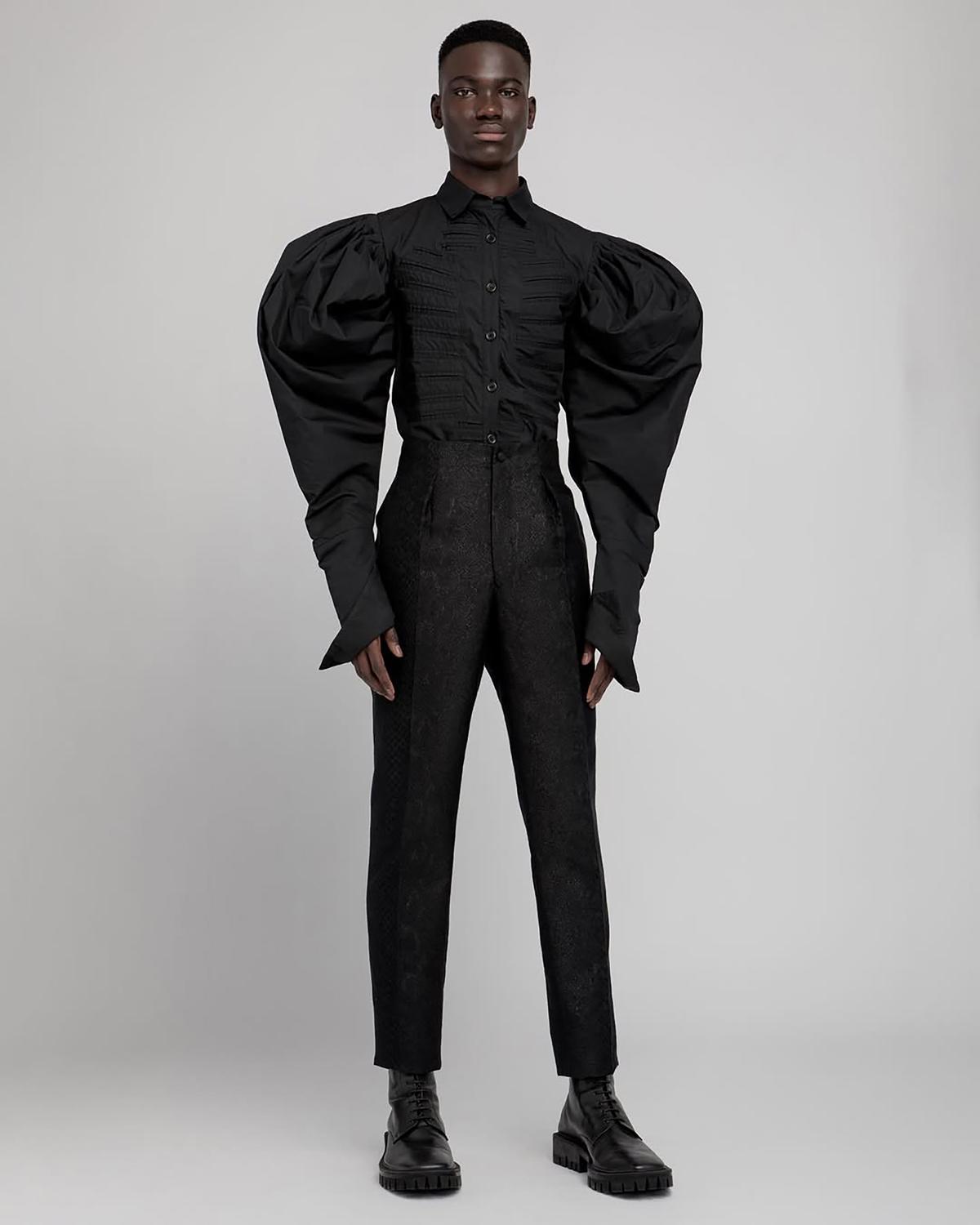
Menswear, too, is quietly entering its anti-trend phase. Mumbai-based textile professional Siddhant Beriwal has noticed a rise in men embracing Indian textiles in everyday and evening contexts. “Handlooms have penetrated deeply into men’s wardrobes,” he observes. “Sanganeri-printed shirts at lunches, Patan patola pocket squares at weddings, handwoven linen shirts returning to workwear.”
Men are also experimenting with drape in ways previously policed by gender norms .“Shawls, dushalas and dupattas styled over bandhgalas, Jodhpuri jackets and even sleek suits,” he says. “Embroidery too, from light kantha to heavily embroidered lapels, is now everywhere.”

A Madras check outfit from JADE’s menswear Autumn/Winter 2025 collection
| Photo Credit:
JADE
For him, this shift has deep roots. “Indian textiles have always signalled identity, community, social standing. When men wear them today, they’re re-entering that lineage.” His advice for eveningwear this season is both simple and philosophical: Choose handcrafted textiles as it carries history forward.
Return to Androgyny
Kolkata-born and Mumbai-based designer Saim Ghani, formerly a senior designer at Anamika Khanna and now founder of Saim India, sees the anti-trend moment as a correction. “If you look at Indian history, everything is androgynous,” he says. “Clothes were draped for function, not gender. Society imposed rules later.”
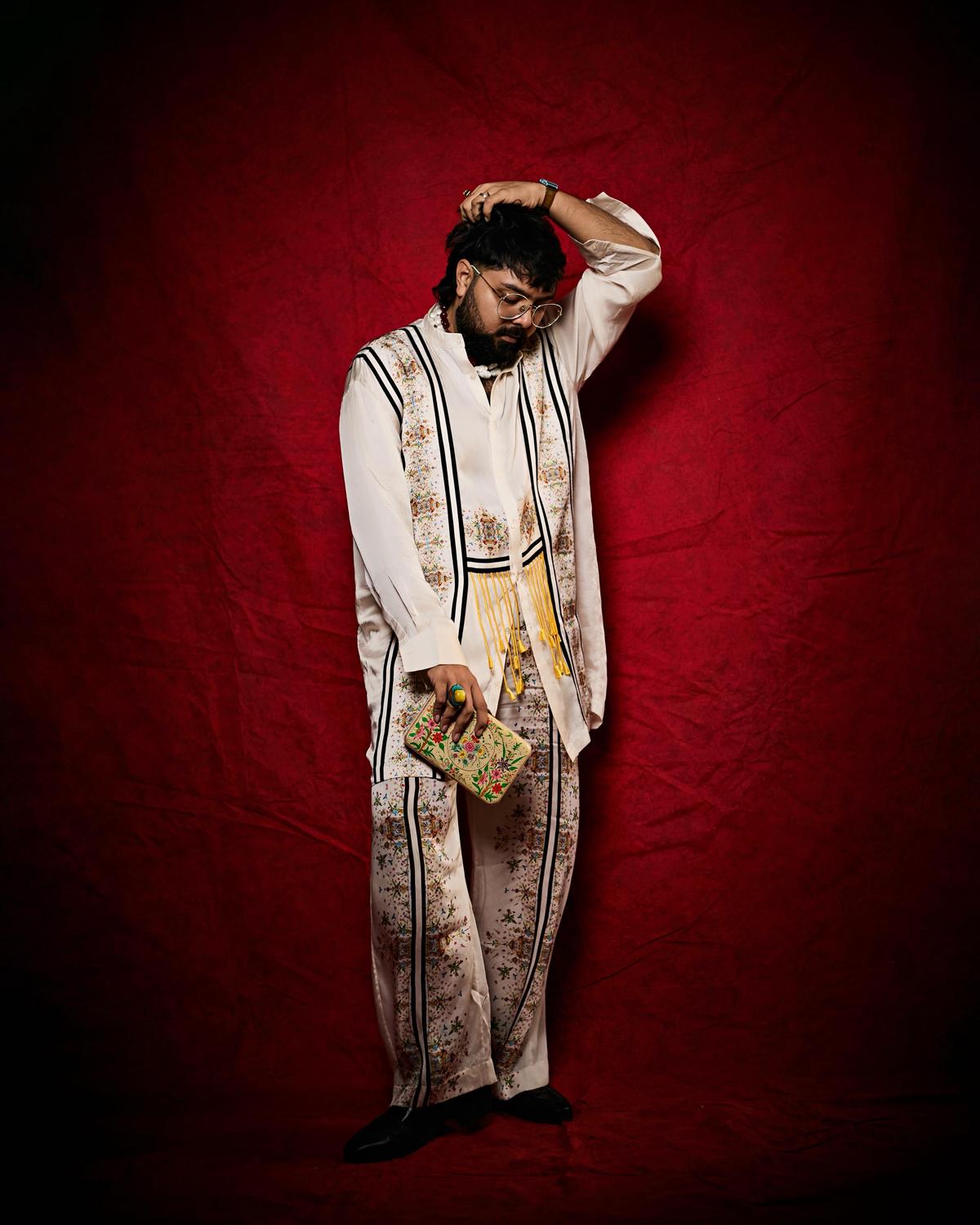
He believes modern menswear is finally revisiting this truth .“Why shouldn’t a man repurpose his mother’s wedding sari into a draped dupatta? Our maharajas wore far more dramatic silhouettes. History was always extra for the man.”
What he celebrates most, however, is the emotional shift .“Comfort isn’t logistical,” he says. “It’s emotional. And for years, that emotion was missing in men’s style. Now it’s returning.”
Ease as uniform
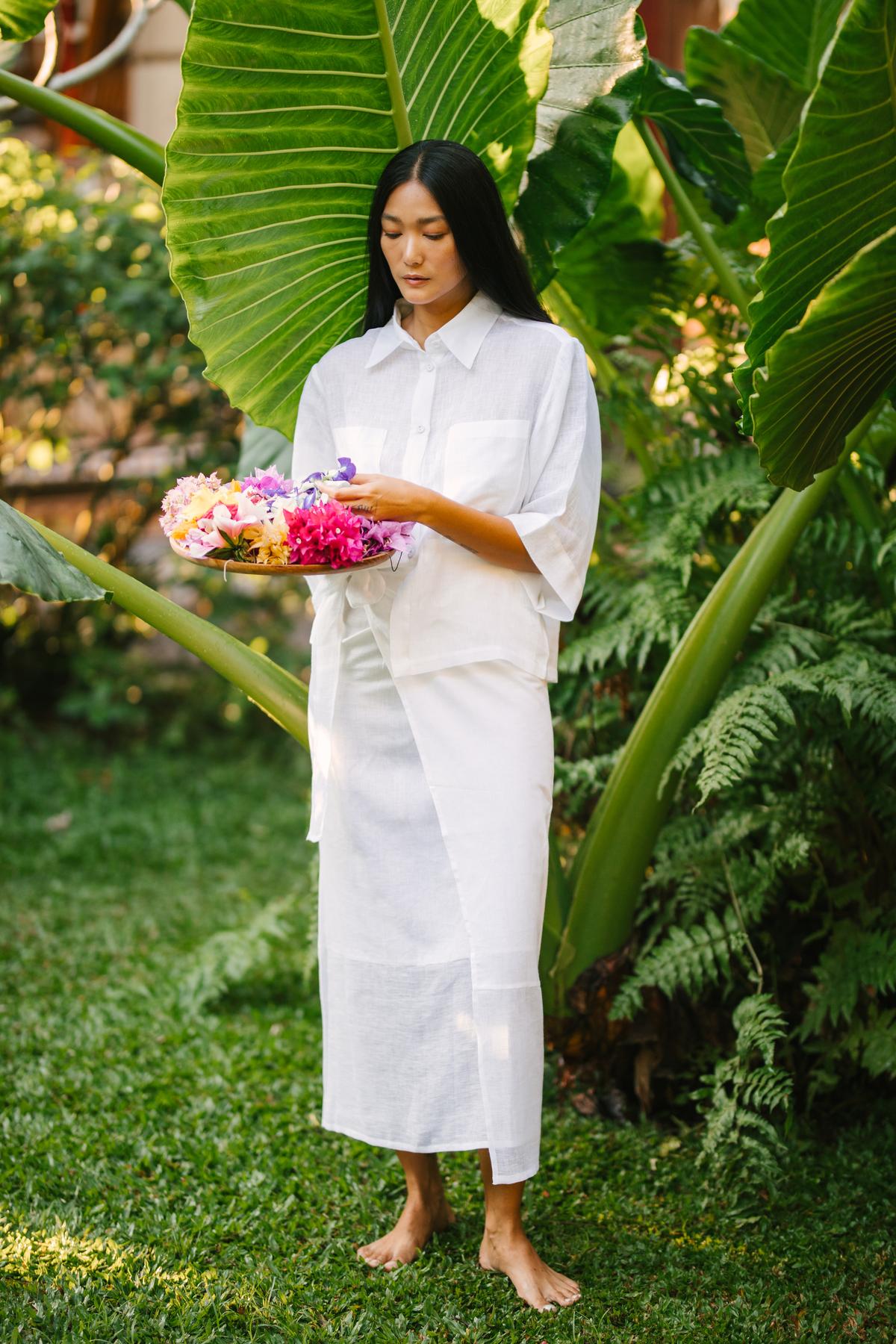
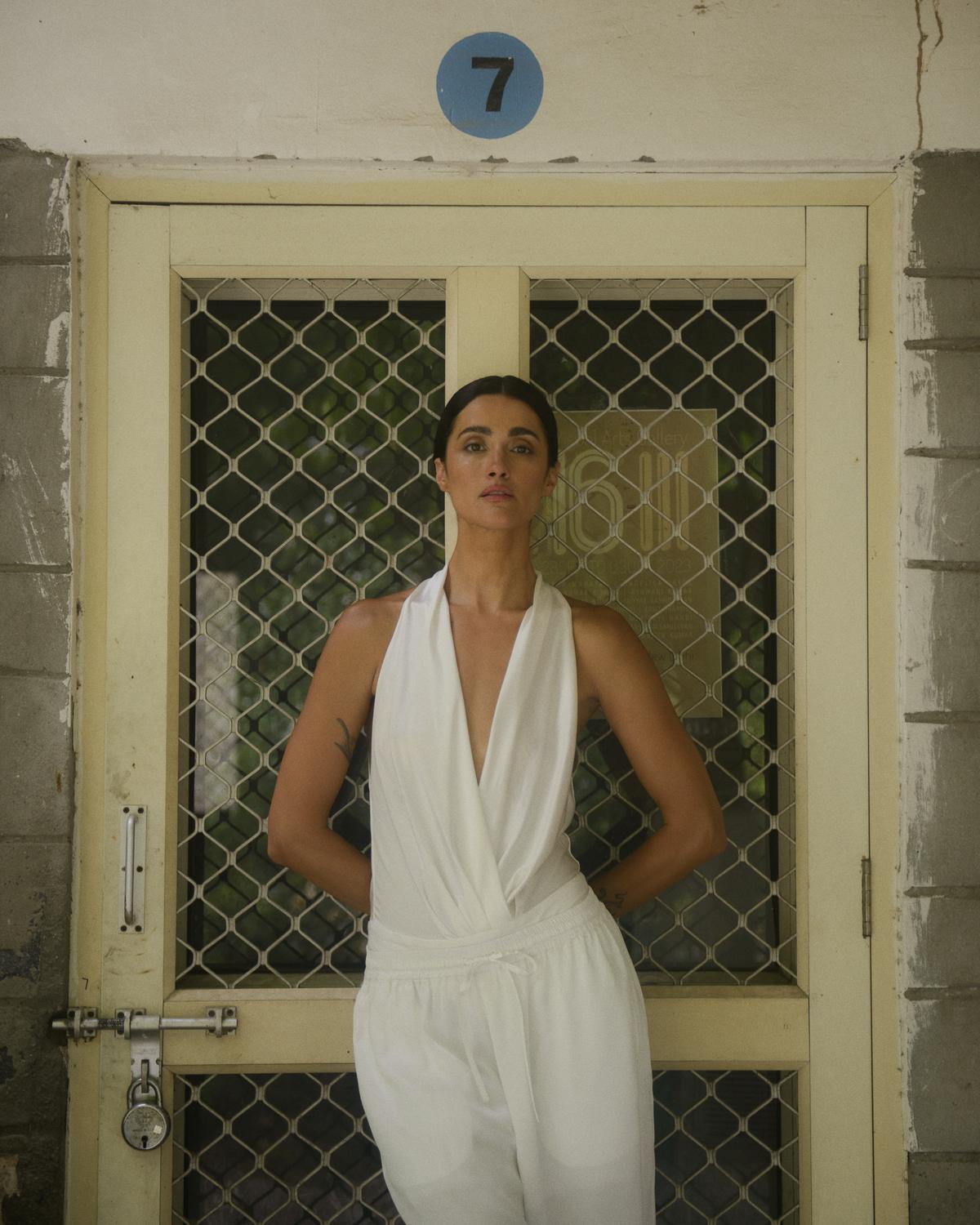
When it comes to New Year’s Eve specifically, the desire for ease is unmistakable. Lylah Shaw, who founded ituvana in 2019 — a slow luxury label steeped in Bali and India — traces the shift to the fatigue of constant stimulation.
A look from Ituvana
| Photo Credit:
Special arrangement
A look from Ituvana
| Photo Credit:
Special arrangement
“People want to feel more like themselves,” she says. “Comfortable, effortless, free. ”Silk, linen, fine wool — natural fibres that breathe, move and soften — have become preferred night-out choices. Their appeal lies in their quietness, not their spectacle. Lylah believes Pantone’s Color of the Year, Cloud Dancer — a muted, almost weightless white — captures this longing for clarity and calm.
The rewearing renaissance
Designer Ikshit Pande, who founded Quod in 2019 and shuttles between Delhi and New York, views anti-trend dressing as a cultivation of self-awareness. “We are moving away from trends and towards an intuitive understanding of what works for us,” he says. “It’s comfort first, but never second on style.”
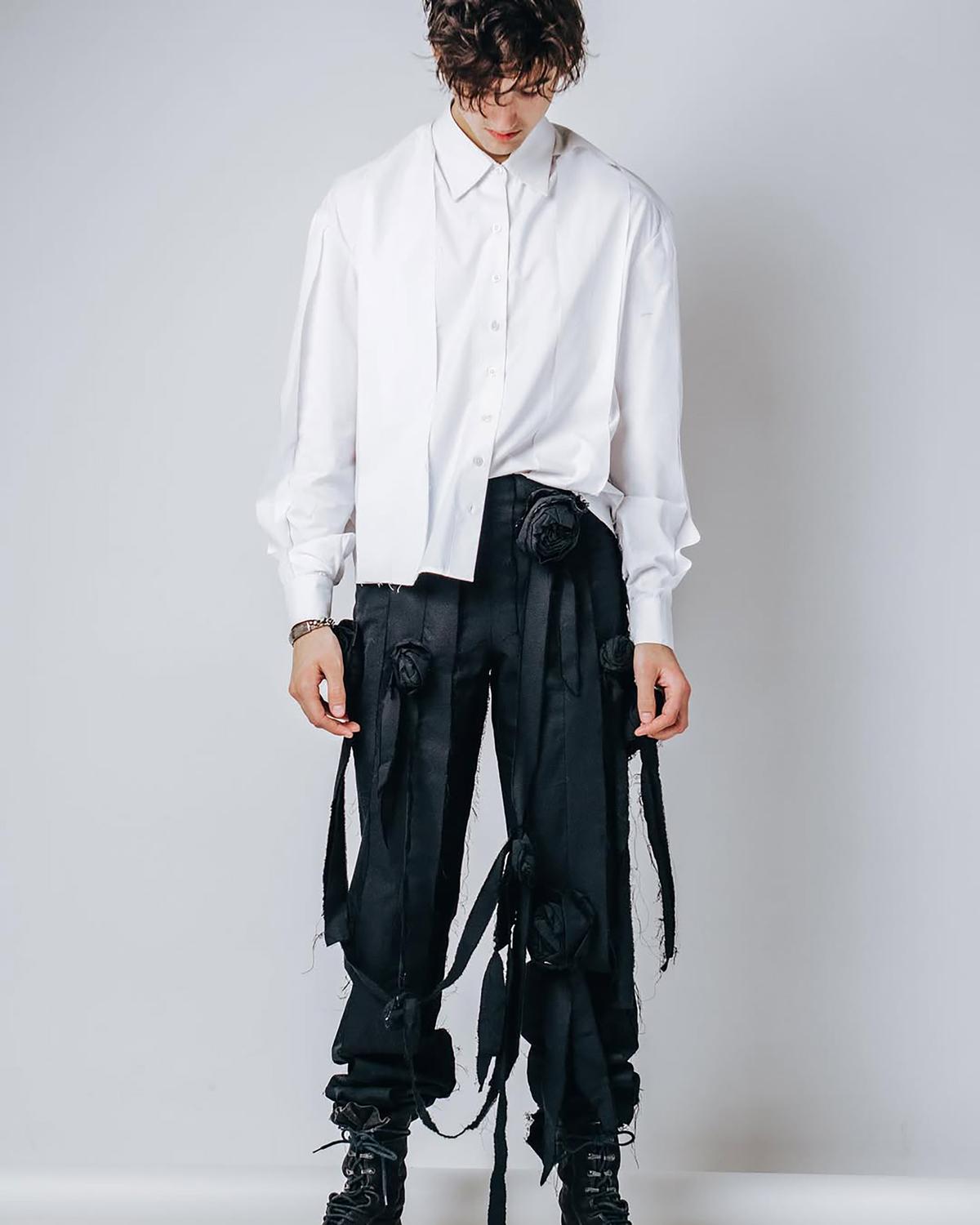
Nostalgia and rewearing, he emphasises, are no longer signs of restraint but of attachment. “There’s a growing awareness around craftsmanship and the value of clothing,” he says. “People want pieces that tell stories.”
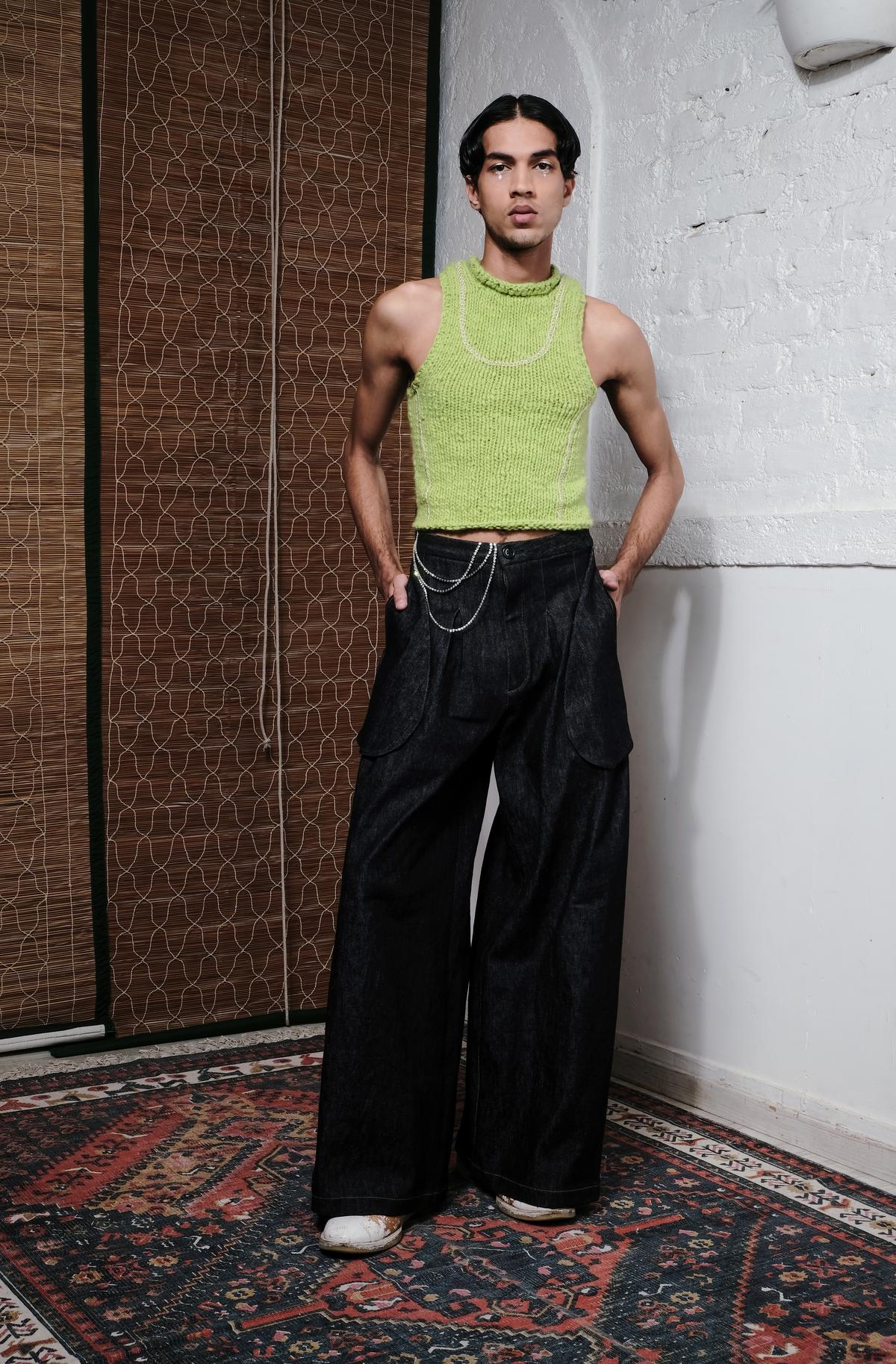
He believes modern eveningwear is less about acquisition and more about recontextualisation .“A textured weave, a hand-finished detail, a shift in drape, these can alter an entire garment,” he notes. His personal styling philosophy — “minimal with maximal” — summarises the moment: a clean base elevated with one deliberate gesture.
It is safe to say then that the anti-trend mood is not about rejecting beauty, glamour or ceremony. It is about rejecting prescription and dressing with intention, not obligation.
About the Author


