
Many households in India mix curd with water and call it buttermilk, especially during hot weather or after heavy meals. It is quick, refreshing and feels like a light digestive drink. However, nutritionists emphasise that simply stirring water into curd is not the same as drinking real, traditional buttermilk. Proper buttermilk is a fermented liquid left behind after churning curd to remove butter. This process changes its composition, texture and nutritional advantages. A peer-reviewed study in PMC on fermented dairy drinks highlights that cultured milk products, such as traditional buttermilk, contain active probiotic bacteria that support digestion, balance gut flora and improve overall gastrointestinal function, while diluted curd may not provide the same benefits.
What traditional buttermilk really is
Traditional buttermilk is made after churning curd or cream to separate butter. Once the fat content is removed, a light, tangy and probiotic-rich liquid remains. This liquid has a smooth consistency, is naturally low in fat and contains beneficial bacteria that strengthen the digestive system. Traditional buttermilk is easier for many people to digest than curd or milk because it is lighter and less dense, which supports post-meal comfort. Historically, it has been an essential part of Indian summer nutrition because it hydrates and cools the body while aiding digestion.
Why is diluted curd not real buttermilk
When water is mixed directly into curd without churning, the fat content remains high and the bacterial profile stays unchanged. The mixture simply becomes thinner because of dilution, not because its structure has transformed. This drink may still feel soothing, but it does not have the reduced fat, probiotic activity or metabolic effects seen in true buttermilk. Adding water does not trigger fermentation or enhance bacterial growth. Instead, it only stretches the same curd over a larger volume.For people looking specifically for probiotic support, diluted curd may provide significantly fewer benefits. This is especially relevant for those who struggle with bloating, gas or irregular bowel movements, where active bacteria found in fermented buttermilk could offer better relief.
Digestive benefits of traditional buttermilk
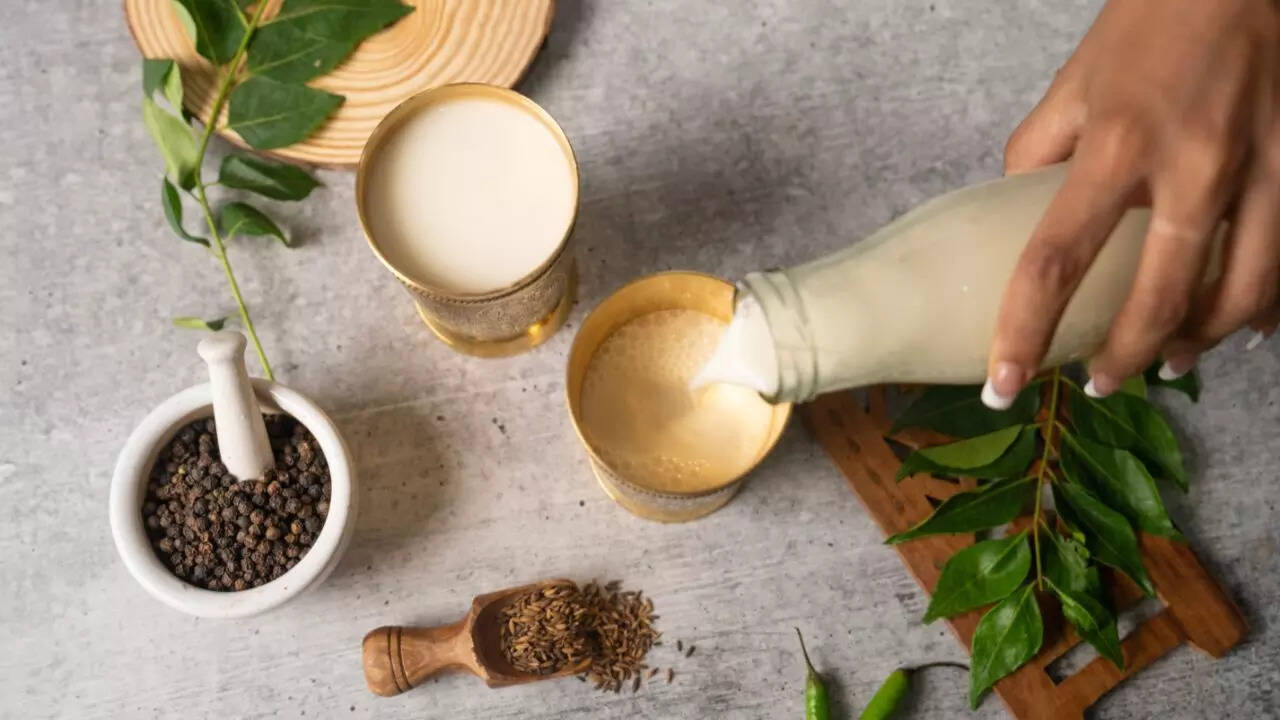
Nutritionists note that true buttermilk can offer several advantages when consumed regularly. These include:• Improved digestion and better breakdown of food particles • Support for a balanced gut microbiome through natural probiotics • Faster relief from acidity or post-meal heaviness • A hydrating, cooling effect that replenishes electrolytes • Reduced chances of constipation due to improved gut motilityThese benefits make it a popular drink after spicy or oily meals and during hot weather when dehydration and digestive discomfort are common.
Even when diluted, curd still works well
Although it is not real buttermilk, diluted curd is not without value. It can still be a refreshing drink that is gentler than full-fat curd. For people who want a lighter dairy option without the thickness of curd or the heaviness of milk, diluted curd can be a convenient choice. Adding spices such as roasted cumin, black salt, ginger or mint can enhance flavour and help digestion. It is also a useful drink for children or elderly individuals who prefer mild textures.
How to choose which drink is best for you
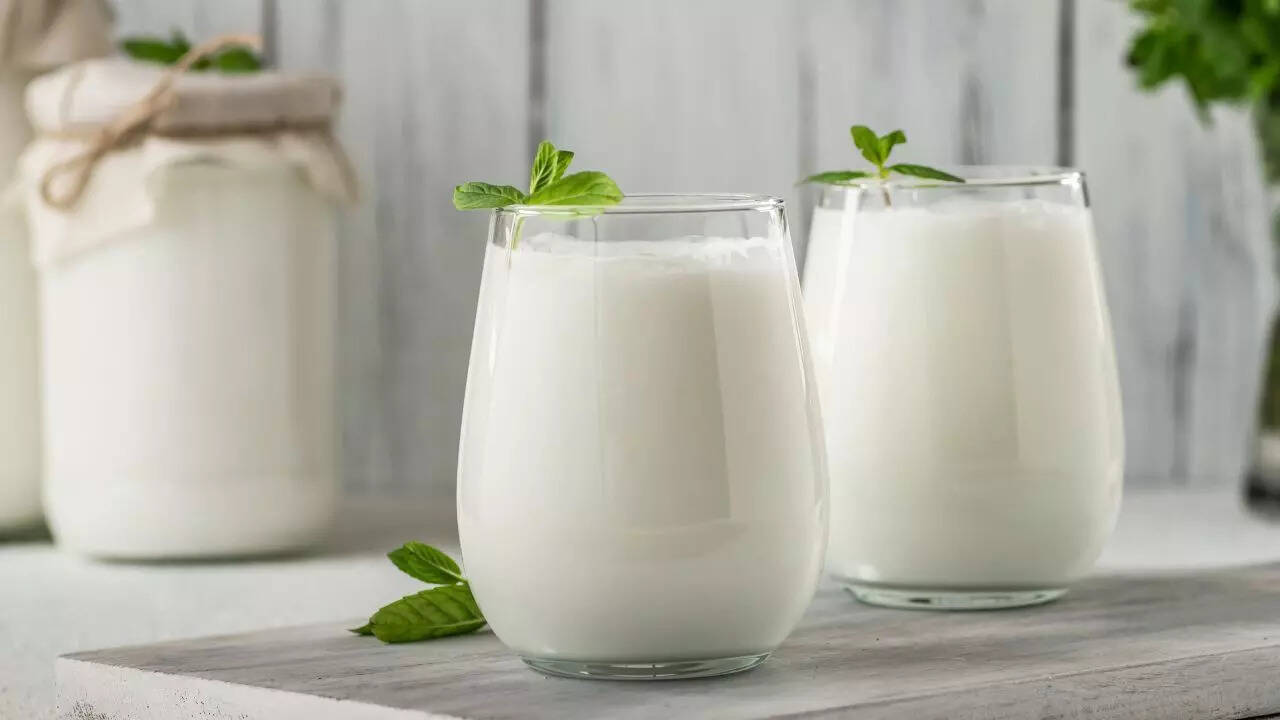
• Choose traditional buttermilk if you want probiotic benefits and support for gut health • Choose diluted curd if you need instant hydration and a lighter drink without effort • Opt for low-fat curd when diluting if digestion is a challenge • Avoid adding excessive salt if you have high blood pressure • Drink earlier in the day rather than late at night if dairy affects your sleep or digestionMany people use the word buttermilk loosely, but it is worth understanding the difference. True buttermilk gives distinct nutritional and probiotic advantages, while diluted curd is simply a lighter version of curd. Both beverages can be healthy, but they are not interchangeable. If your goal is digestive improvement and gut support, choosing traditional buttermilk or well-fermented curd may be more effective. For hydration and quick refreshment, diluted curd can still be an excellent option. Knowing the difference helps you choose what your body needs and enjoy dairy wisely.Disclaimer: This content is intended purely for informational use and is not a substitute for professional medical, nutritional or scientific advice. Always seek support from certified professionals for personalised recommendations.Also read| Does eating ice cream make a cold worse? What science says
About the Author


