
Original Sanskrit (Bhagavad Gita 12.17)यो न हृष्यति न द्वेष्टि न शोचति न काङ्क्षति।शुभाशुभपरित्यागी भक्तिमान्यः स मे प्रियः॥TransliterationYo na hṛṣyati na dveṣṭi na śocati na kāṅkṣati,Śubhāśubha-parityāgī bhaktimān yaḥ sa me priyaḥ.Meaning (English translation)One who neither rejoices excessively nor hates, neither grieves nor desires, who has renounced attachment to both good and bad outcomes, such a devoted person is dear to Me.
The human need for closure
Few emotional habits are as exhausting as the constant search for closure. We replay conversations long after they end, wait for apologies that never arrive, and search for meaning in situations that simply dissolved without explanation. The mind believes peace will come only when every question is answered and every emotional thread neatly tied.Yet the Bhagavad Gita offers a very different understanding of peace. In this verse, Krishna describes a person who no longer swings between longing and regret, someone who has stepped beyond the restless need for emotional completion. The teaching does not deny human feeling; instead, it reveals how suffering grows when we become attached to outcomes, explanations, or imagined resolutions. Closure, from the Gita’s perspective, is not something the world owes us.
Beyond grief, beyond craving

The verse lists four emotional movements that govern most human reactions: excessive joy (hṛṣyati), dislike or resentment (dveṣṭi), sorrow (śocati), and craving (kāṅkṣati). Together, they form the emotional cycle that keeps the mind trapped in unfinished stories.When something pleasant ends unexpectedly, we grieve. When something painful happens, we resist and search for reasons. When uncertainty lingers, desire arises, the desire for clarity, validation, or closure. Krishna’s insight is subtle but powerful: freedom begins when we stop demanding emotional certainty from temporary situations. This does not mean becoming indifferent. Rather, it means recognising that emotional balance comes from within, not from external resolution.
Why closure often keeps us stuck
Ironically, the pursuit of closure can prolong suffering. The mind assumes that understanding why something happened will dissolve pain. But often, even after explanations are given, dissatisfaction remains. The real discomfort lies not in lack of information but in resistance to reality as it is.The phrase śubhāśubha-parityāgī, one who lets go of attachment to both favourable and unfavourable outcomes, directly addresses this struggle. We label experiences as “good” or “bad” and then expect life to justify those labels. When it doesn’t, we feel incomplete.
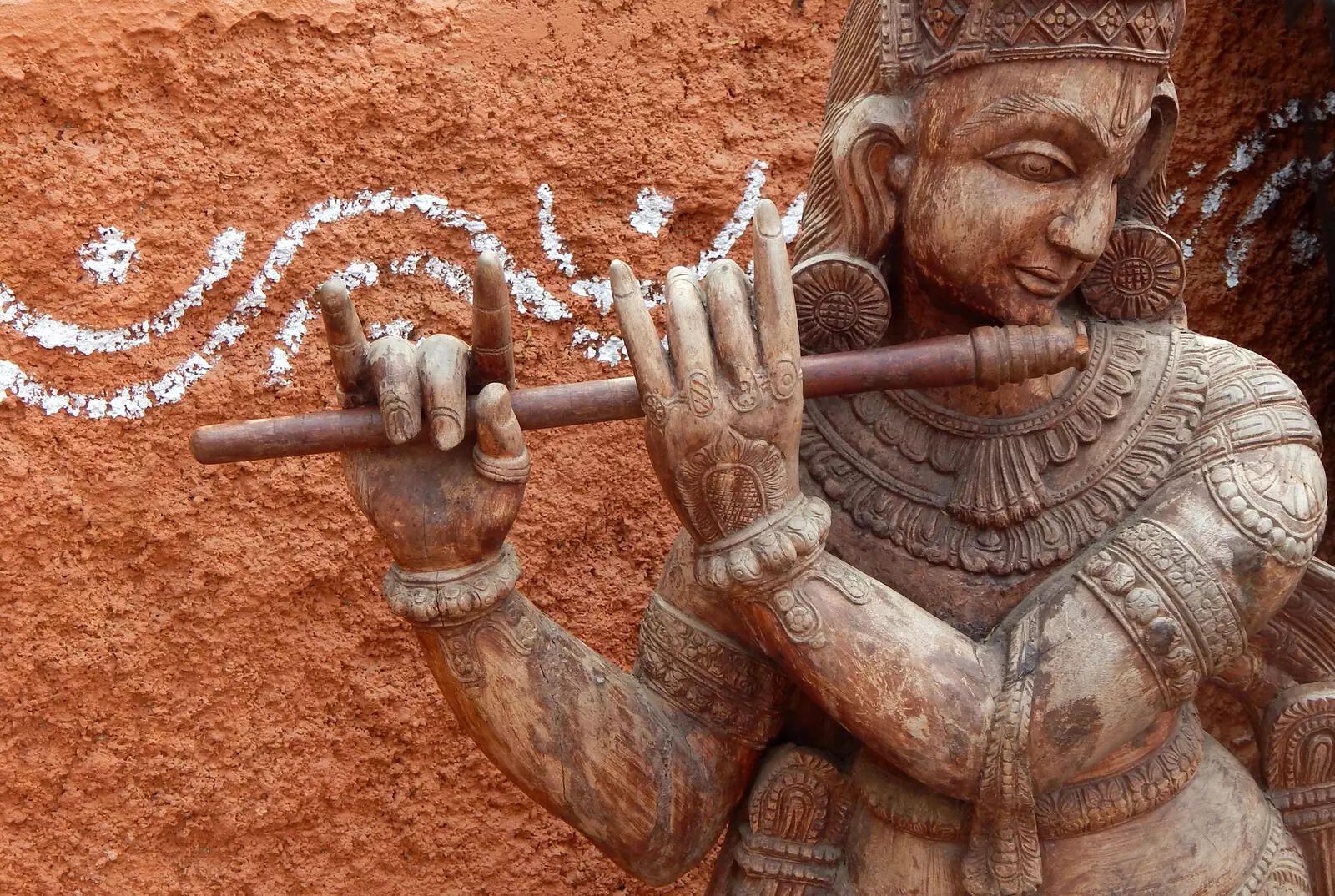
The Gita gently dismantles this expectation. Events do not always arrive to provide emotional symmetry. Some relationships end mid-sentence. Some efforts go unnoticed. Some chapters close without ceremony. Peace begins when we stop insisting that every experience explain itself.
Emotional steadiness as spiritual maturity
Krishna describes such a person as priyaḥ, dear to the Divine. This is significant because spiritual growth here is measured not by rituals or renunciation, but by emotional steadiness.A steady mind allows experiences to pass without clinging. Joy is appreciated without fear of loss. Pain is felt without becoming identity. And unanswered questions are allowed to exist without constant mental negotiation.In modern psychological language, this resembles emotional regulation and acceptance. The Gita, however, frames it as devotion expressed through inner balance. When we stop chasing closure, we stop outsourcing our peace to circumstances beyond our control.
Letting life remain unfinished
One of the hardest truths to accept is that life rarely offers perfect endings. Conversations remain incomplete. People change without explanation. Situations resolve externally while emotions take longer to settle.
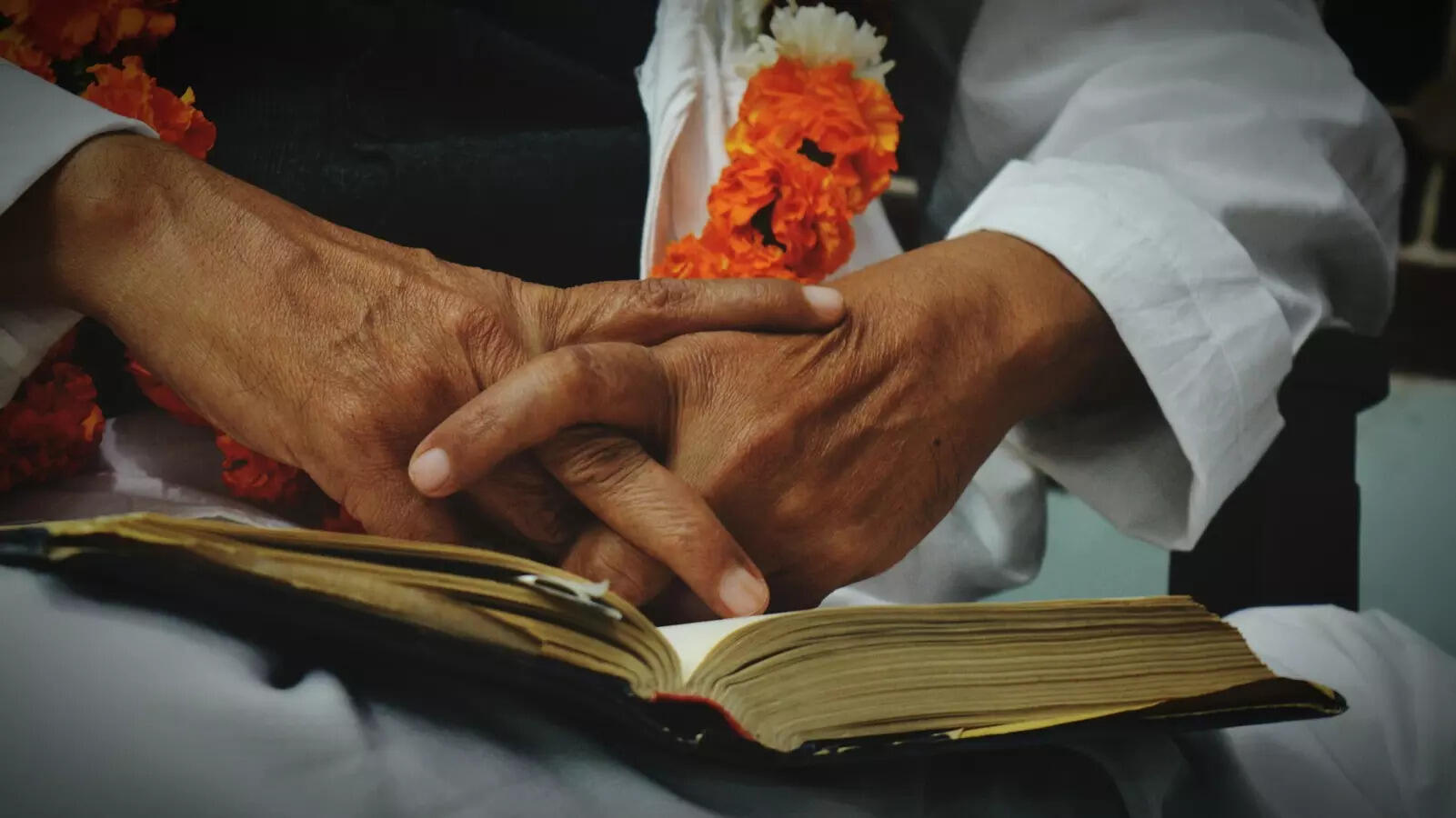
This verse teaches that completeness is not created by external closure but by internal release. When we no longer cling to what should have been said or done, the mind gradually loosens its attachment to the past. Letting go does not erase memory; it removes the emotional demand that reality must match our expectations.
The quiet freedom of acceptance
To live this teaching is to allow life to remain partially unresolved and still feel at peace. It means trusting that not every experience needs interpretation to hold value. Some encounters shape us precisely because they remain unfinished. The person Krishna describes neither suppresses emotion nor becomes controlled by it. Instead, they move through experiences with awareness, allowing grief, joy, and uncertainty to arise and fade naturally.In doing so, closure stops being something we wait for. It becomes something we create within, a calm understanding that life’s meaning does not depend on tidy endings. And perhaps that is the deeper wisdom of this shloka: peace does not come from having all answers. It comes from no longer needing every story to conclude before we move forward.
About the Author


