
Charles Dickens stands among the most renowned authors in English literature, famous for his narrative skills and his concern for social justice. He was born in 1812 in England. He had a tough childhood, but he overcame it to become one of the most influential novel writers of the nineteenth century. His experiences in life made him empathetic towards the poor, which later became the theme of most of his writings.Through determination and extraordinary narrative skill, Dickens created stories that combined realism with emotional depth. His writing often exposed social inequality, child labour, and the harsh conditions faced by the working class in Victorian society. Even today, his works continue to resonate with readers because they reflect timeless human emotions, hope, resilience, kindness, and moral courage in the face of adversity.
His literary works and legacy
Dickens wrote an incredible amount of literature, including novels, short stories, and essays. Many of his stories were published in serialised form, which enabled the readers to track the characters and events. His stories are recognised for their moral vision, humour, and memorable characters who struggle, develop, and finally seek redemption or justice.However, Dickens’s use of fiction went beyond entertainment. He used fiction as a mirror to society. His fiction encouraged empathy and sparked discussions about reform and human dignity. Because of this combination of entertainment and social awareness, Dickens’s impact goes beyond literature.Today’s quote “It’s always something, to know you’ve done the most you could. But don’t leave off hoping, or it’s of no use doing anything. Hope, hope to the last,” is widely attributed to Charles Dickens.
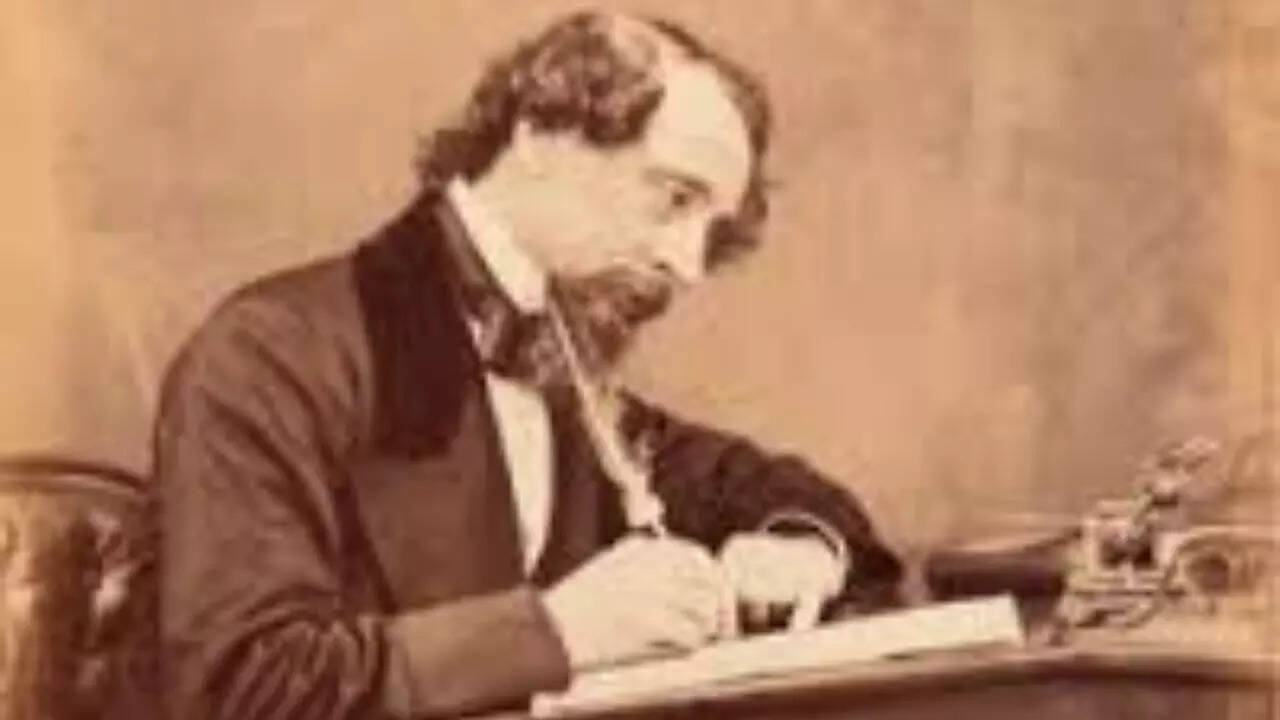
Image Credit: Wikipedia
What this quote conveys
This quote reveals two important realities of life, the importance of honest effort and the need for hope. The first part of this quote reminds us that peace can be found in the knowledge that we have done the best we can, even when the outcome is uncertain. Human beings may not be able to control all the outcomes, but they can control their commitment, honesty, and integrity.The second section of the quote delivers the message by emphasising the importance of hope and the need to never give it up. Hope is what gives meaning to effort when one loses hope, effort becomes meaningless, and activity becomes mere routine. Dickens says that hope is not mere optimism but a virtue, the power that enables people to keep trying to be good even when they are disappointed.Together, these concepts form a strong philosophy of resilience. Do one’s best, learn to accept limitations with dignity, and hope until the end. This philosophy turns struggle into meaning and failure into growth. It shows that the value of life is not only measured by success but also by the hope that guides perseverance.The timelessness of Charles Dickens is rooted in his understanding of the human spirit. It is through his stories and musings that one is reminded that no matter what the struggle, it is always overcome by compassion, resilience, and hope. The message of doing one’s best and hoping to the last is one that is conveyed through this quote in a few simple words.In a world that is all too often characterised by uncertainty, the message of Dickens remains a powerful source of inspiration. When individuals are completely committed to what is right and never give up on hope, they are able to maintain their dignity, their courage, and their sense of purpose. Hope, in this instance, is more than just a source of comfort; it is empowering.
About the Author


