
“Niyatam kuru karma tvam karma jyāyo hyakarmaṇaḥŚarīra-yātrā’pi cha te na prasiddhyed akarmaṇaḥ.”Bhagavad Gita, Chapter 3, Verse 8Translation:Perform your prescribed duty, for action is superior to inaction. Even the maintenance of your body would not be possible without action.
Where this teaching appears in the Bhagavad Gita
This verse appears in Chapter 3 of the Bhagavad Gita, known as Karma Yoga, the path of disciplined action. At this point in the dialogue, Arjuna remains conflicted. After hearing about wisdom and detachment, he wonders whether withdrawing from action might be easier than facing responsibility.Krishna responds by correcting a common misunderstanding: spiritual insight does not mean abandoning work. Instead, sincere action itself becomes the path forward. The teaching arrives at a moment when Arjuna feels emotionally exhausted and uncertain, a state familiar to anyone who has struggled to continue working when motivation disappears.

Rather than waiting for clarity or enthusiasm to return, Krishna emphasises movement. Action, he suggests, sustains both life and inner balance.
Why the Gita values action over motivation
Modern thinking often treats motivation as the starting point of productivity. We expect to feel inspired before beginning something meaningful. Yet the Gita reverses this idea. It suggests that action is not the result of motivation; often, action is what restores it.Krishna’s message is simple but profound: inaction deepens confusion. When individuals stop engaging with their responsibilities because energy feels low, the mind tends to spiral into doubt and inertia. Work, even when performed quietly and without excitement, creates rhythm and stability.
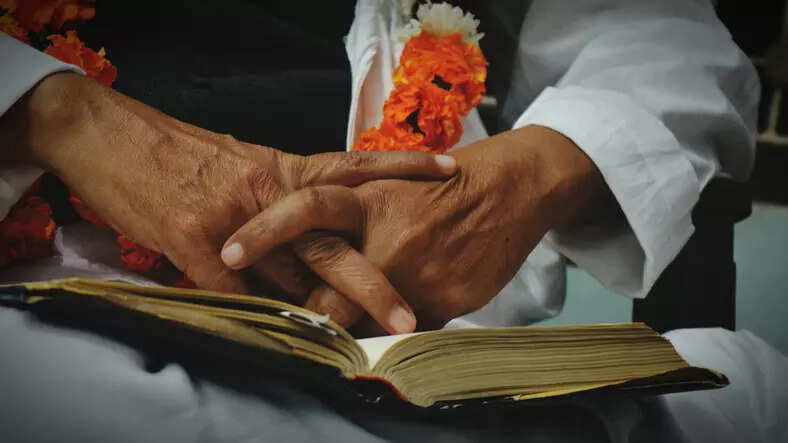
This teaching does not glorify busyness. Instead, it highlights the dignity of sincere effort. Showing up consistently, whether for work, study, caregiving or personal goals, becomes a way of maintaining alignment with life itself.
The psychology behind disciplined effort
The wisdom of this verse aligns closely with modern behavioural science. Psychologists often observe that waiting for motivation can lead to procrastination, while small, consistent actions gradually rebuild momentum. Movement generates clarity.Krishna’s insight recognises that human energy fluctuates. Some days bring enthusiasm; others bring resistance. The solution is not to chase constant inspiration but to cultivate steadiness. By continuing to act responsibly, individuals prevent temporary emotional states from determining long-term direction. Even basic routines, waking up, completing tasks, and maintaining commitments, become acts of self-support. Action anchors the mind when emotions feel uncertain.
Work as participation in life
Another layer of the verse lies in its reminder that action sustains existence itself. Krishna notes that even the physical body cannot function without activity. Breathing, thinking, learning and growing all depend on movement.In this sense, work is not merely professional effort. It includes every responsibility that keeps life flowing forward. When approached sincerely, ordinary duties become meaningful participation rather than obligation.
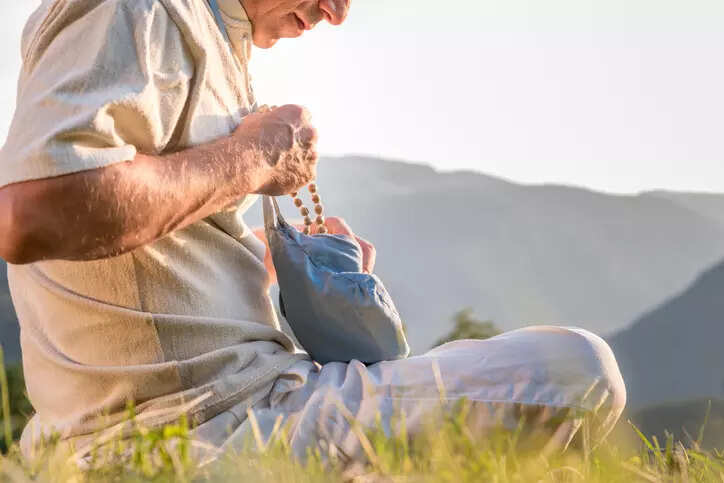
The teaching gently challenges the modern idea that fulfilment must always feel exciting. Often, purpose reveals itself through consistency rather than intensity.
A lesson for days when motivation fades
Everyone encounters phases when enthusiasm disappears, when goals feel distant and effort feels heavy. The Bhagavad Gita does not deny these moments. Instead, it offers a practical response: continue the work anyway. Not with pressure or anxiety, but with quiet commitment. By choosing action over withdrawal, individuals gradually rebuild confidence and clarity. Motivation, rather than being forced, returns naturally through engagement.The verse ultimately reminds us that sincerity is more reliable than inspiration. While motivation comes and goes, disciplined action creates continuity. And in that continuity lies a deeper form of strength, the ability to keep moving forward even when the mind hesitates.
About the Author


