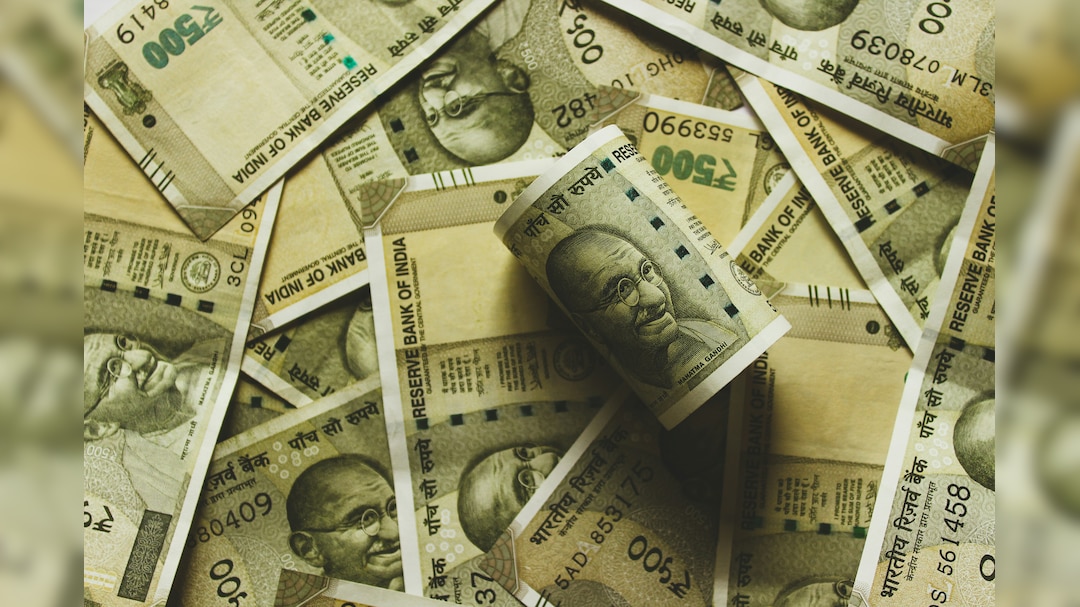
The Indian rupee strengthened on Wednesday, while the yield on the 10-year note declined after India and the United States agreed to a trade deal that cuts US reciprocal tariffs on Indian imports to 18% from 25%.
The local currency appreciated as much as 1.2% to 90.42 against the greenback. Meanwhile the yield on the 10-year note fell as much as five basis points to 5.71%
The reduction takes effect immediately, President Donald Trump said after a phone call with Prime Minister Narendra Modi. India had earlier faced total tariffs of 50%, including a 25% levy linked to purchases of Russian oil, though the US Embassy said the overall tariff rate now stands at 18%. The agreement sets the key policy cue for markets on Tuesday, with tariffs, trade commitments and oil-related measures in focus.
India’s 10-year government bond yield rose eight basis points to 6.78% on Monday, marking its highest level in a year. Meanwhile, The rupee strengthened 19 paise at the open on Monday. The move followed the Centre’s higher-than-expected borrowing programme announced in the Union Budget, which raised concerns over debt supply and liquidity conditions.
Besides, reports said the Reserve Bank of India sold dollars in offshore markets to support the currency.
The trade deal follows months of negotiations between New Delhi and Washington. Talks began in early 2025, stalled after the United States imposed tariffs of up to 50% on Indian imports in August, and resumed in October.
The rupee closed at 87.74 per dollar on August 6, before the first tariff announcement. It last traded at 91.51 per dollar.
India’s 10-year government bond yield stood at 6.42% before the tariff announcement. It was last at 6.77%.
Comprehensive Budget 2026 coverage,
LIVE TV analysis,
Stock Market and
Industry reactions,
Income Tax changes and
Latest News on NDTV Profit.
About the Author


