
Last year, I found myself back in South India. Not as a tourist, nor as a chef chasing the next big idea, but as someone reconnecting with my past and the food of my childhood. Hoppers has always carried the flavours and memories of Sri Lanka and South India in its bones, but with our new restaurant in Shoreditch (London) that will open its doors on February 4, I felt an instinctive pull to go deeper, to peel back the layers and rediscover the food, people, and places that first sparked the journey a decade ago.
Karan Gokani
| Photo Credit:
Ola O Smith
I travelled with two people who are at the heart of how we cook at Hoppers, and just as hungry as I was to understand these regions properly. Renjith Sarathchandran, our executive chef from Ernakulam, Kerala, is a sponge for anything new. Kavinda Dasun, our Sri Lankan development chef from Colombo, brings a curiosity that’s genuinely infectious. In Chennai, we were joined by Sandesh Reddy (who runs Oji Ramen in Chennai, and Katana in Bangalore, among other restaurants), and he became our host, guide, translator and eating companion on non-stop expeditions that really should have come with medical disclaimers.
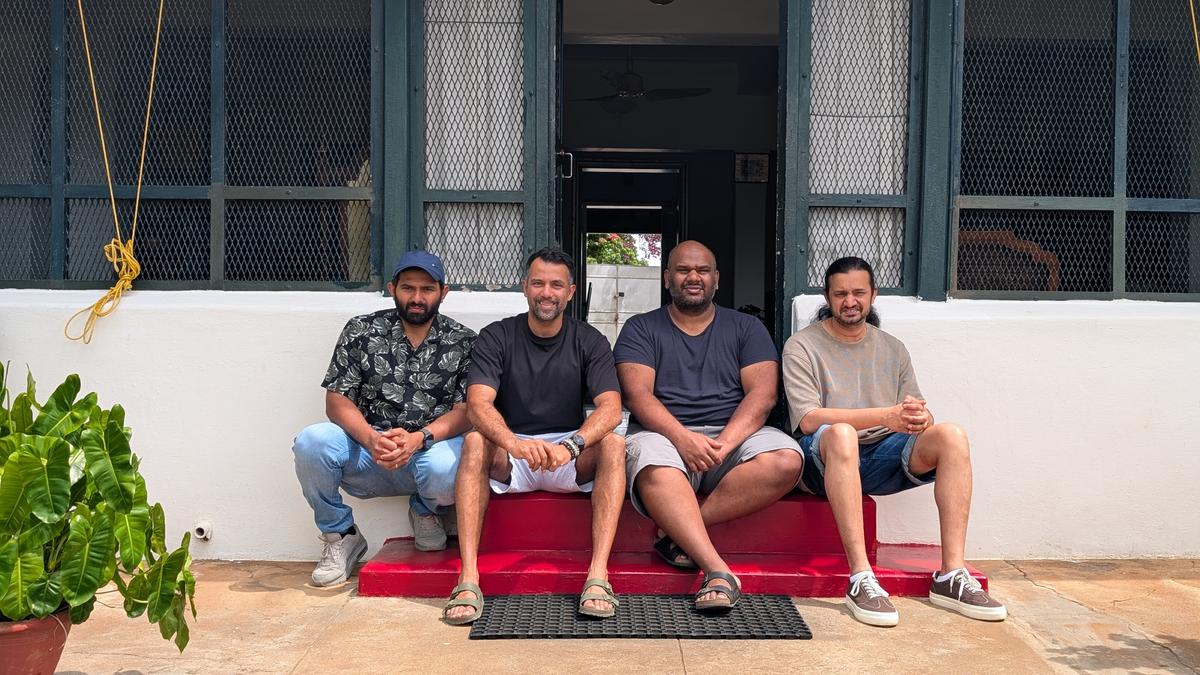
(From left) Renjith Sarathchandran, Karan Gokani, Sandesh Reddy, and Kavinda Dasun
| Photo Credit:
Special Arrangement
From the start, we knew this wasn’t going to be a checklist trip, or one built for social media. No PR itinerary, no forced “must sees”. We were hunting the real stuff: tiffin rooms packed with locals, mess halls, restaurants that do one dish and do it perfectly, tea shops where gossip travels faster than steam, and home cooks passing down recipes like heirlooms.
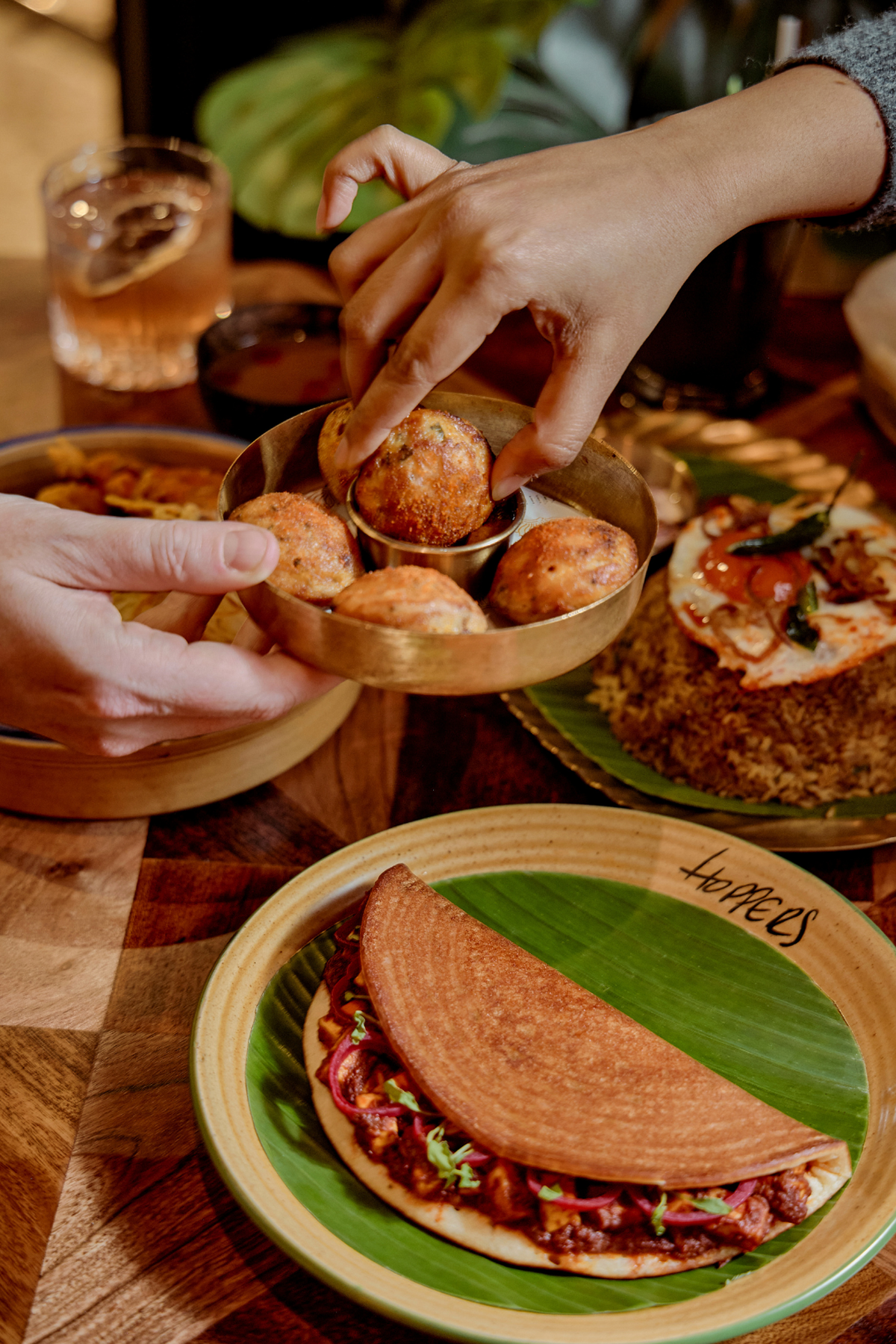
Food at Hoppers Shoreditch
| Photo Credit:
Special Arrangement
It began, as it should, in Chennai. Humid, hectic, and alive with the perfume of ghee, traffic, and jasmine flowers. Within hours of landing, we were seated at Ayya Mess, presented with a spread that would have made my Gujarati vegetarian ancestors panic, but had the cook in me grinning like a kid. Offal gravies, brain masala, fish fry, coconut rich curries, all served with the kind of confidence that comes from cooking food you’ve been perfecting for years. South India doesn’t do hospitality with fanfare. It simply appears, generous and steaming, right in front of you.
A peek at Hoppers Shoreditch
Hoppers’ fourth London restaurant will open at the Tea Building in Shoreditch February 4. Designed by Atelier Wren, its design draws from Chettyiar homes and features custom sculptures, art and photography by artists from Chennai and Colombia.
The menu is an ode to South Indian states and features a Madurai-inspired crab kari omelette served with a traditional thread paratha, benne dosa stuffed with paneer ghee roast which is an ode to Bengaluru, salmon mappas from Kerala, among other dishes.
From Tamil Nadu, you will find a Dindigul-style short rib beef biryani on the menu and stuffed prawn paniyarams that spotlight flavours from Chettinad.
We scoured the city for the “best rose milk in town,” but ended up instead at Mylapore Ganapathy’s, a tiny shop where we tasted buffalo ghee so nutty and aromatic it felt like discovering beurre noisette with a Tamil accent.
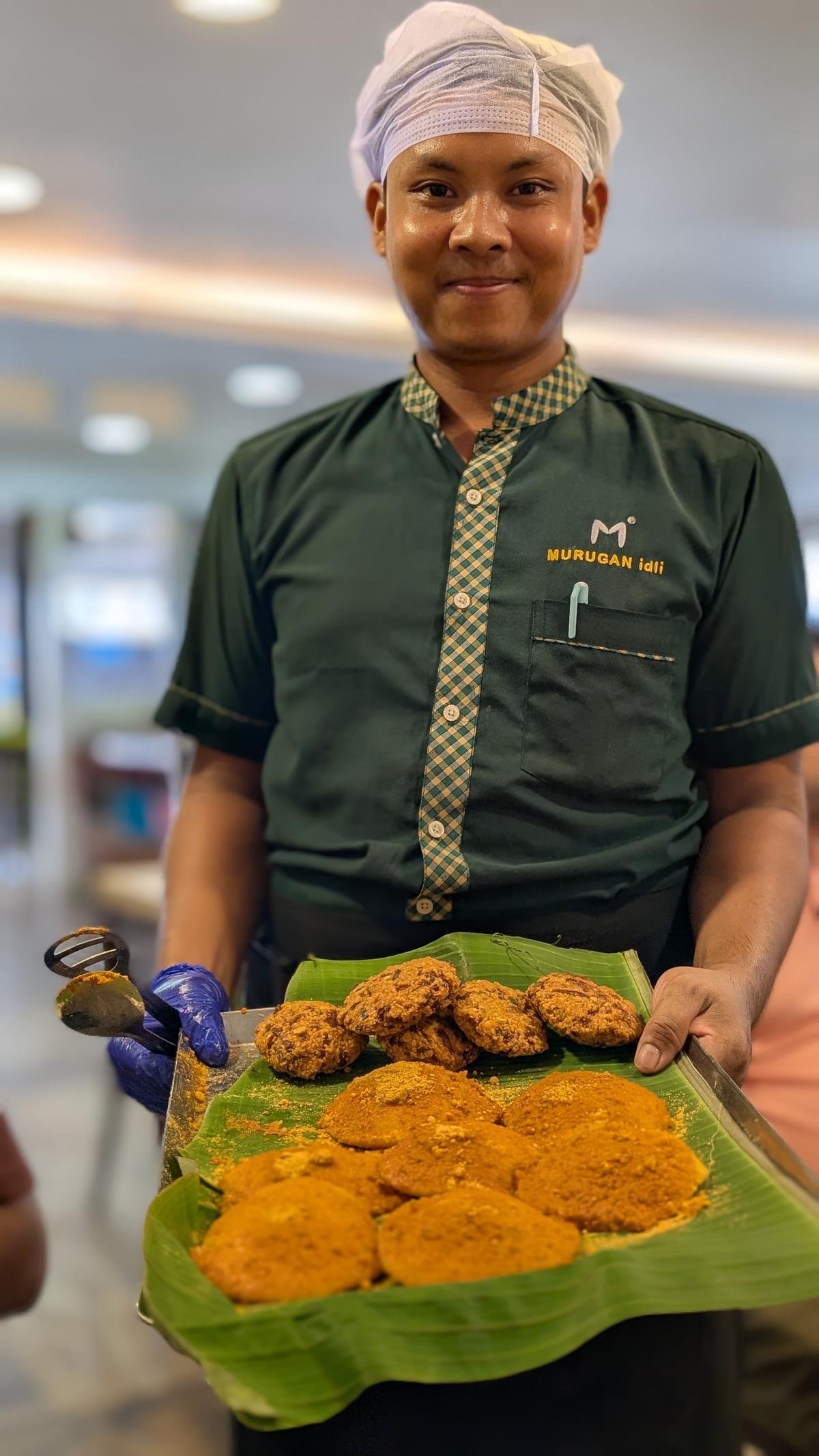
A server at Murugan Idli Shop
| Photo Credit:
Special Arrangement
The next morning began, as every good Chennai morning should, with idli and filter coffee. At Murugan Idli Shop, we ate pillowy idlis drenched in ghee and podi, and an onion uttapam so soft it almost melted as I lifted it. Of course, research trips have their disappointments too. The much talked about biryani at the birthplace of Chicken 65, was… educational, let’s say. Next door, however, at Thalapakatti, we discovered Dindigul biryani that was fragrant, punchy, and revelatory. A big departure from the fragrant basmati versions, this had its own space and impact, and we instantly knew we had to carve out a place on our new menu for a version of this dish.
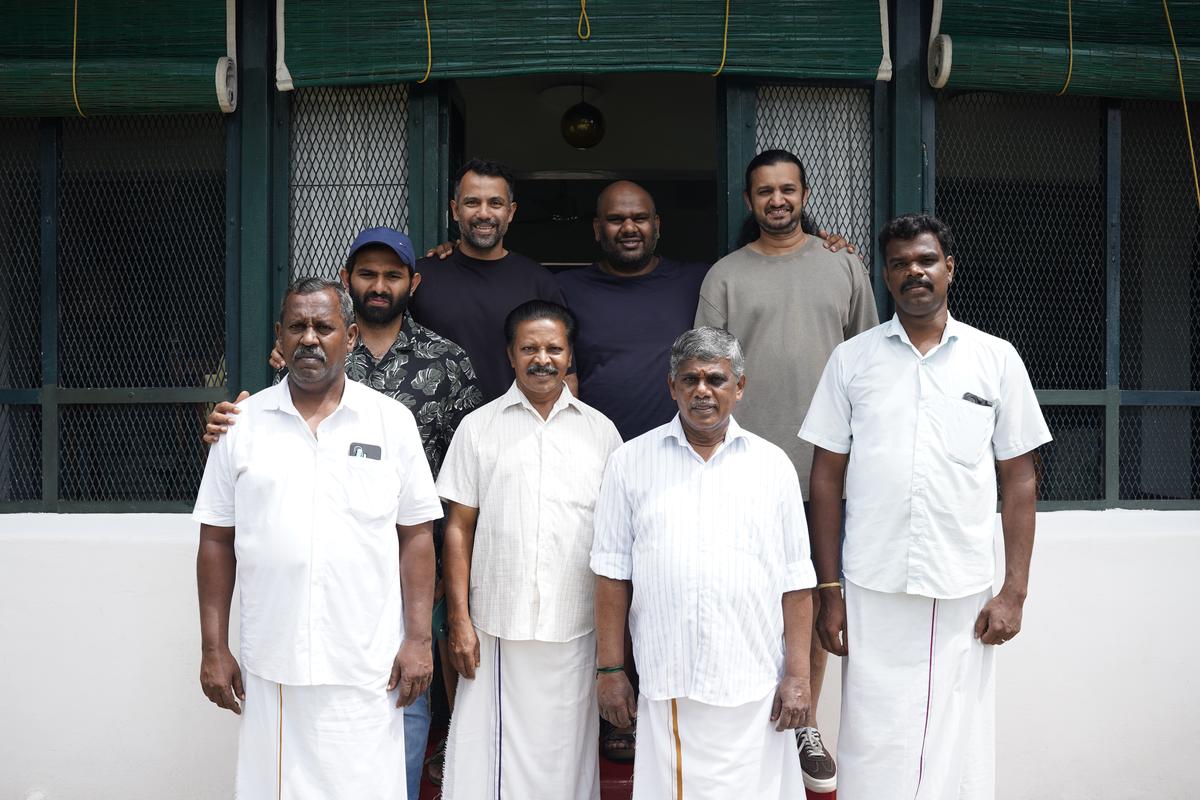
The group with staff members of The Bangala
| Photo Credit:
Special Arrangement
Then came Chettinad. The region that gently but powerfully shaped the design and soul of our Shoreditch restaurant. Walking through ancestral Chettiyar homes felt like moving through living museums of Tamil history — carved pillars, patterned tiles, courtyards that tell a million stories, artefacts passed down through generations. We stayed at The Bangala, less a plush hotel and more an extension of the Meyyappan family home. After years of reading about her and being inspired by her stories and food, we finally met the legendary matriarch Meenakshi Meyyappan. Aachi, as she is lovingly known, is 92 years old, razor sharp, and still the undisputed queen of Chettinad cuisine.
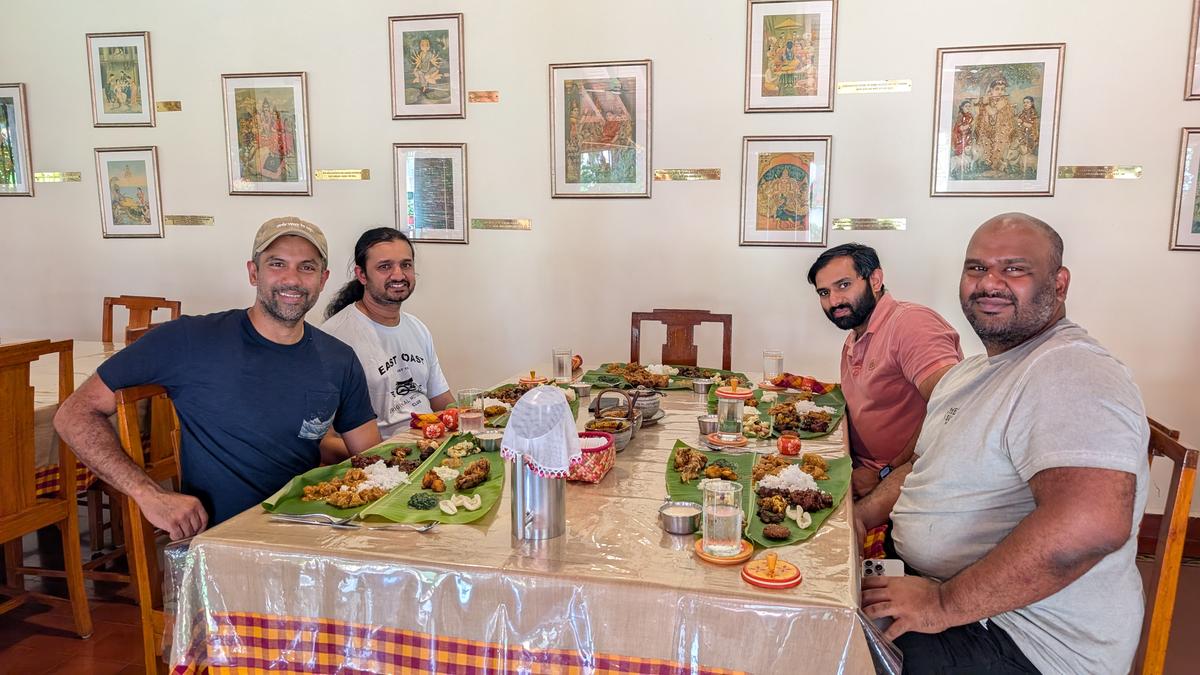
The group dining at The Bangala
| Photo Credit:
Special Arrangement
There is no ego in her kitchen. Only discipline, generosity, and a deep respect for heritage. Every curry earns its place at the table. Every menu is precise, planned and written to Aachi’s exacting standards. Standing there, stirring a pot of pepper rich gravy under her watchful eye, we were reminded that food is never just flavour. It is anthropology, memory, time and place, and most vitally, emotion.
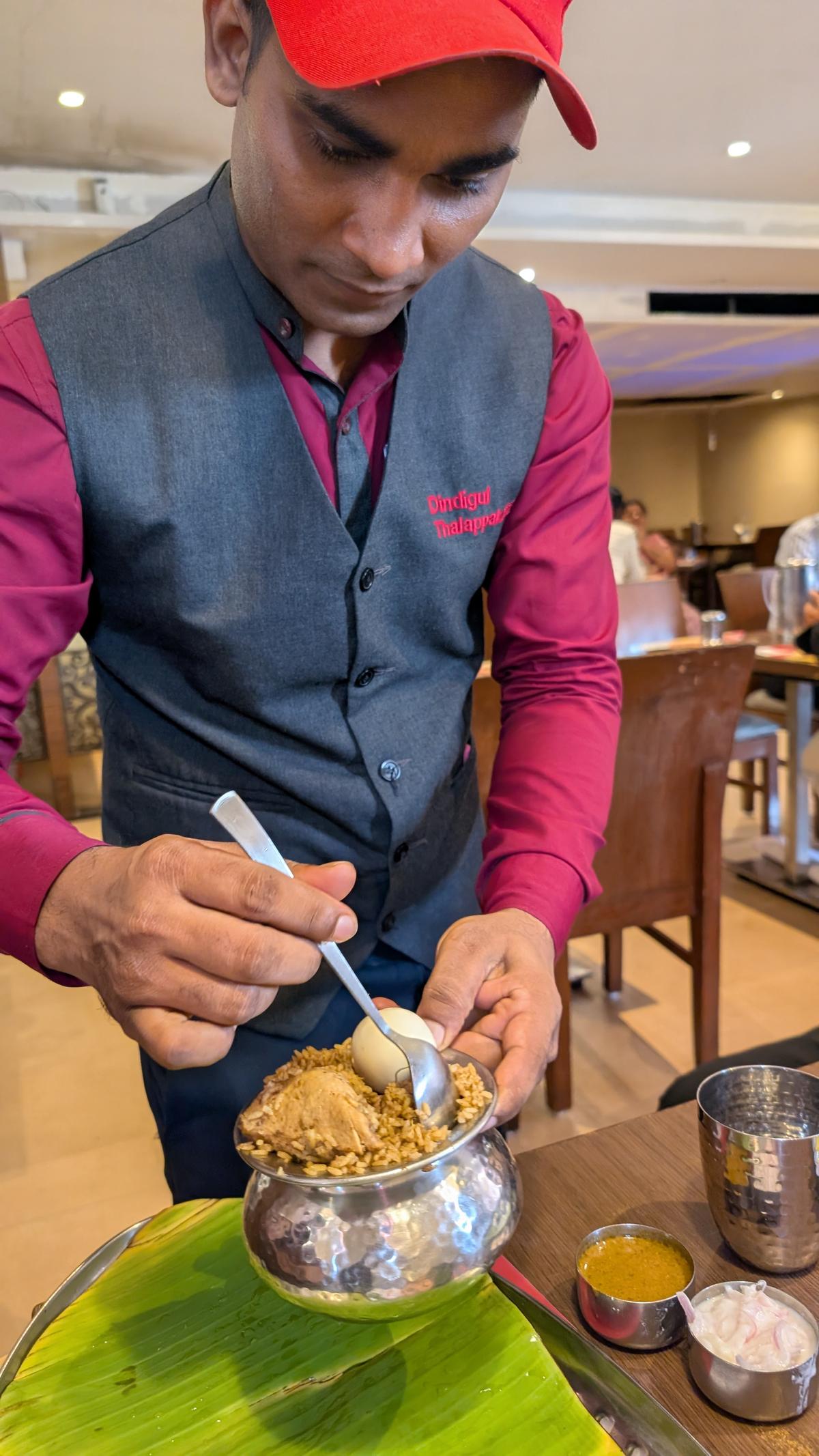
A server at Dindigul Thalapakkati
| Photo Credit:
Special Arrangement
Next, we were guided through Madurai by Chef Ram Prakash, an authority on the region. The street food there has a swagger and you see instantly why it’s often called the food capital of Tamil Nadu. You taste the passion in a deeply rich kari dosa, cooked slowly on the tawa until the edges crisp while the centre stays soft. You taste it in the quiet fire of a peppery broth ladled from a steel pot. You feel it in the way even something as humble as a parotta seems engineered for maximum pleasure, defying both gravity and physics. Threadlike nool parotta, fluffy bun parotta, deep fried omelettes, crab curry that manages to be both comforting and thrilling. It’s excessive and messy, but carried out by an unassuming precision.
And then there’s jigarthanda, that iconic cold, creamy drink dessert hybrid that somehow feels both soothing and wildly indulgent. The best one we had tasted like nostalgia you didn’t know you owned. New, yet distinctly familiar. Milk, almond gum, ice cream, syrup, and a calm sweetness that cut straight through the city’s intensity.
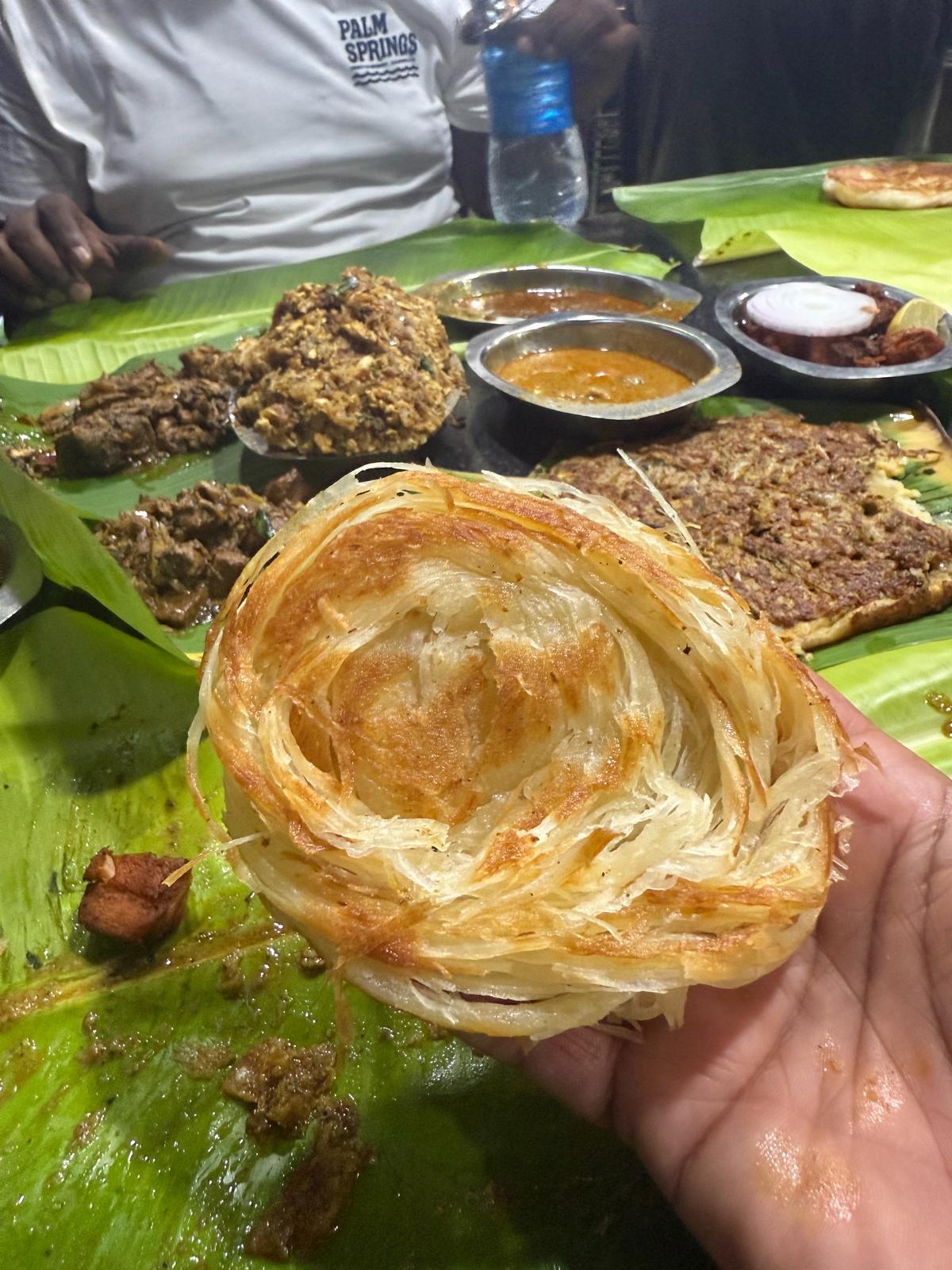
Parotta in Madurai
| Photo Credit:
Special Arrangement
We only had 24 hours here on this trip, but put them to full use until our stomachs gave up. Lunch was at Eswari Mess, a local favourite on the outskirts of Madurai, while dinner was just what I had imagined — parottas of every shape and form at Madurai Bunparotta Kadai. The dishes that stayed with me most were the crab curry and omelette at lunch, and that threadlike nool parotta at dinner. Those flavours now have a home in Shoreditch, with a new hybrid dish on our menu that brings all three elements together.
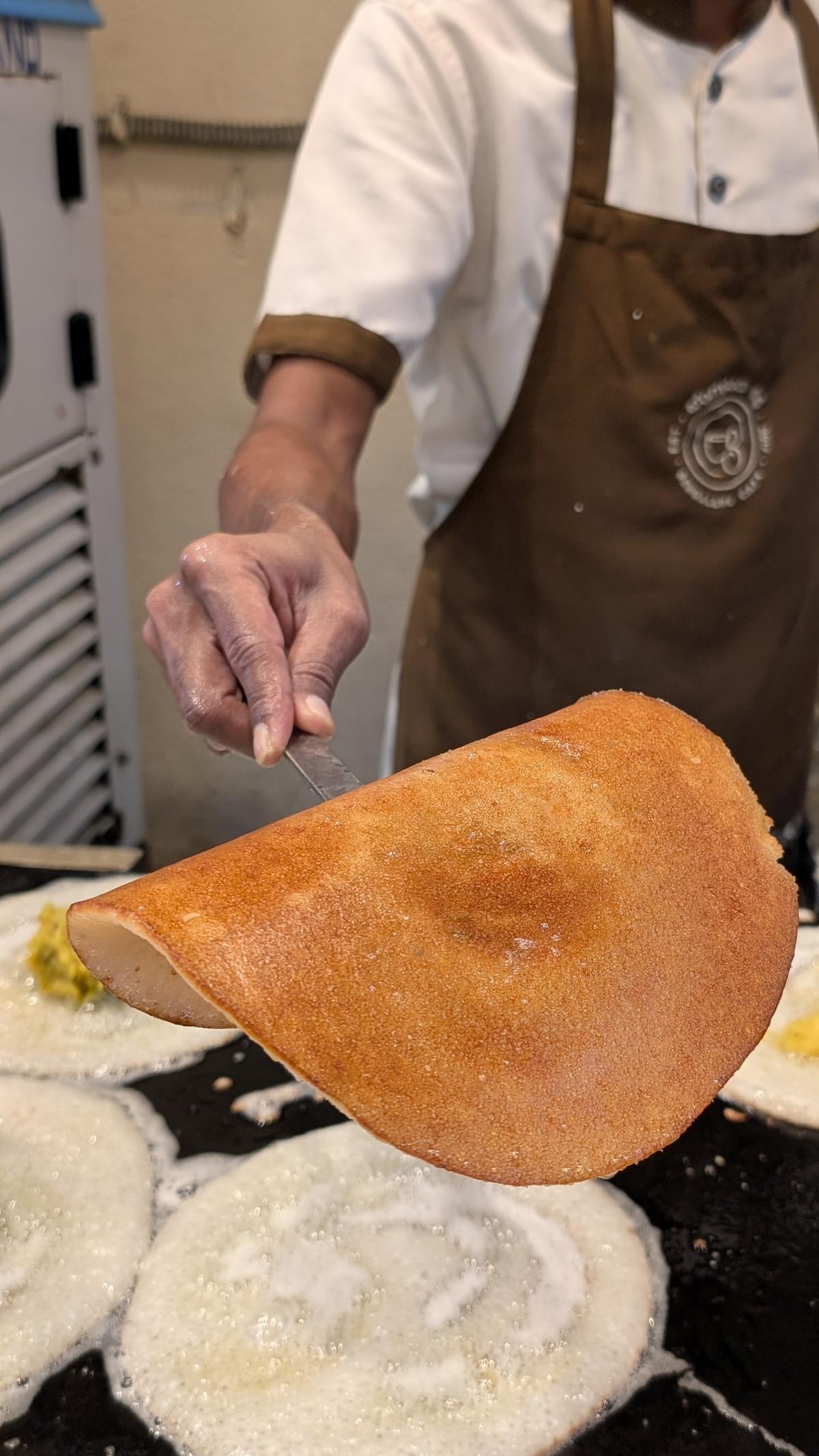
Dosas at Bengaluru Cafe
Bengaluru surprised me in a completely different way. It’s a city where you can start your day with a darshini breakfast and end it in a bar that could comfortably sit in London or New York, except someone is still ordering filter coffee and paan at midnight.
We started the day with a full carb laden breakfast at the original MTR. But this wasn’t just a quick stop for idli and coffee. We were guided by Pratima Chabbi, who has written a book on MTR, knows the inner workings of this breakfast mecca, and seems to be on first name terms with everyone who matters there, including the owners. We had access to every corner, and the cleanliness and efficiency of the kitchen genuinely blew us away.
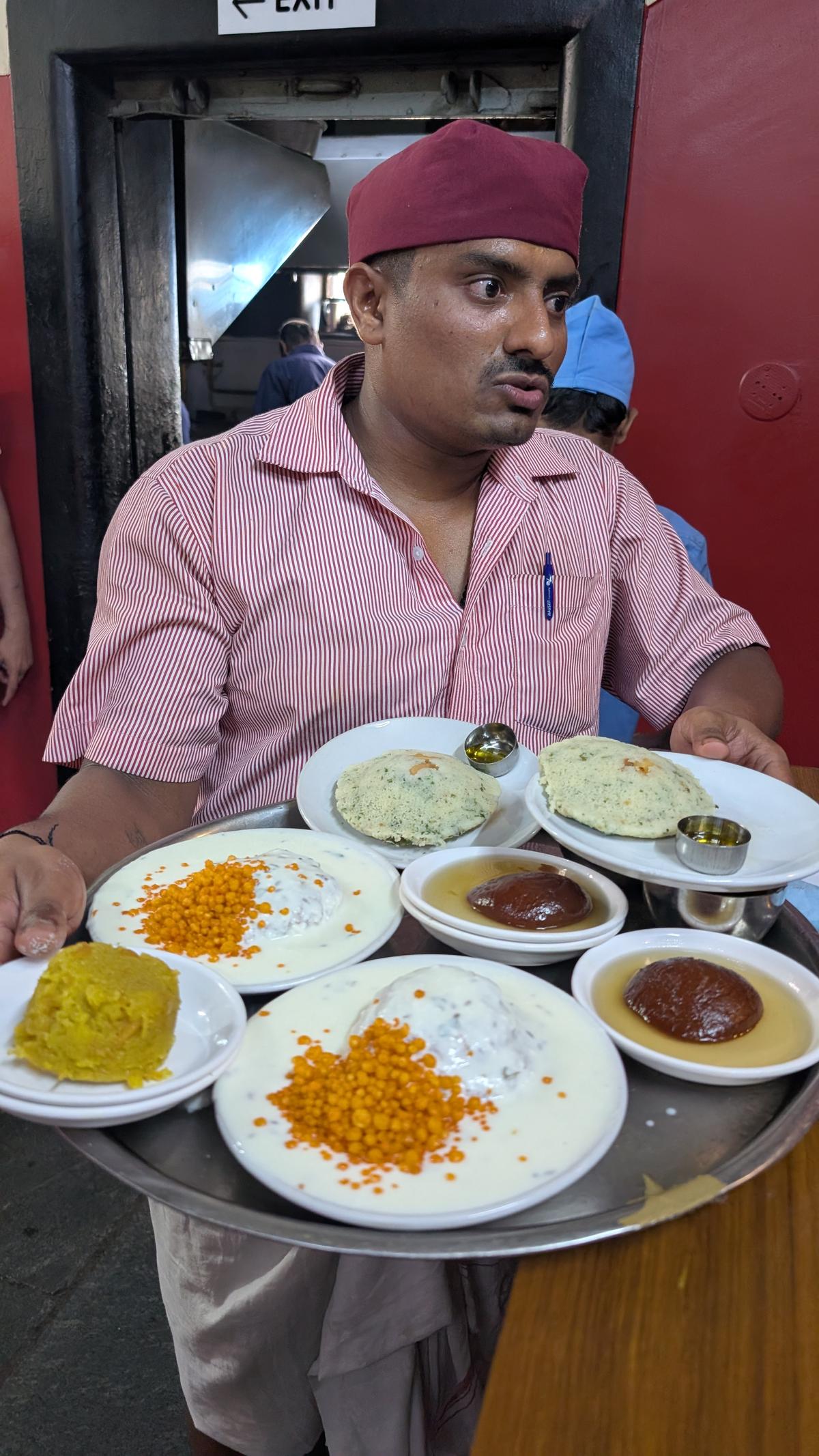
A server at MTR Bengaluru
| Photo Credit:
Special Arrangement
Many rava idlis, vadas, upmas and filter coffees later, we headed to Bengaluru Café for a second breakfast, because this is Bengaluru and it would be rude not to. Here, the dosas are crisp and aggressively hot, smelling of toasted butter and fermented batter, served with chutneys that don’t apologise for their heat. Like the rest of India, we became obsessed with benne dosa. All that richness, all that crunch. It instantly made sense why Bengaluru treats it with such reverence. It’s comfort food at its absolute peak. Closely followed by a Death by Chocolate at Corner House, of course.
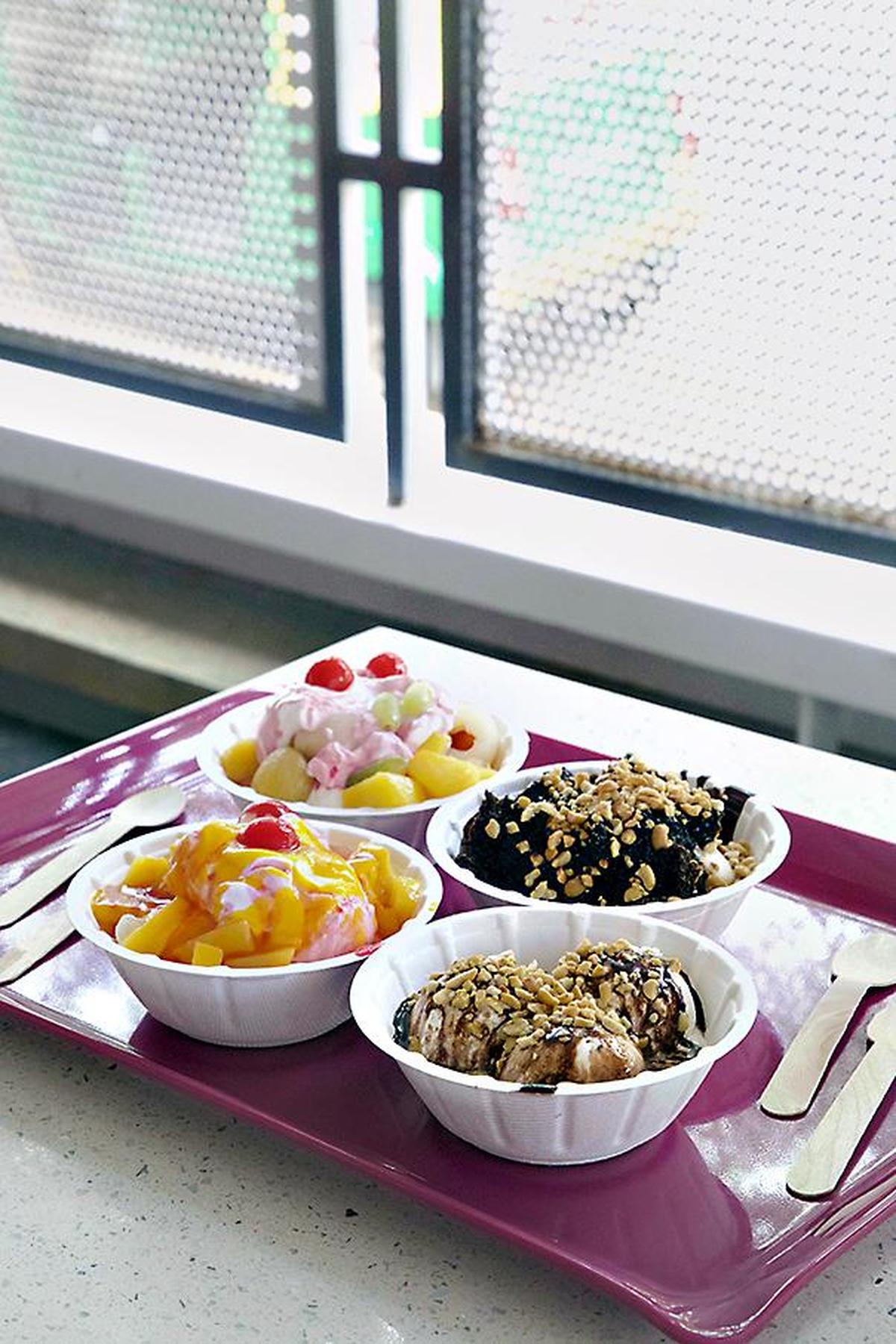
Ice creams at Corner House
| Photo Credit:
SACHIN MADHU
What struck me most, across states and cities, was how profoundly regional South Indian food remains. Its not just South Indian food but hundreds of micro traditions, dialects, preferences, ingredients and rituals co-existing under the same sky. You cannot talk about curry here. You must talk about this curry, made this way, in this home, with this spice balance, because anything else would be dishonest.
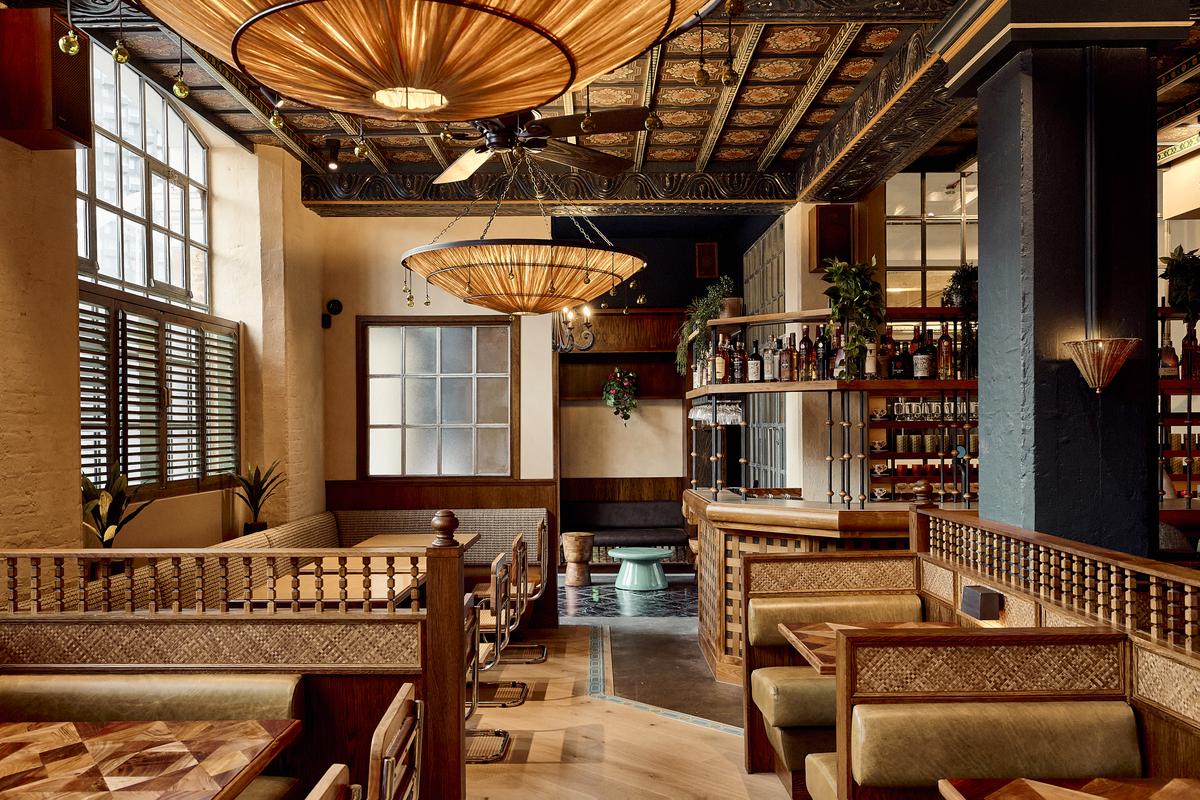
Hoppers at Shoreditch
That spirit of specificity and place is what we wanted to bring back with us. Not replicas or Instagram plates, but respectful interpretations grounded in real kitchens, real homes, and stories we’d tasted and lived. That’s why making the trip in person, and reconnecting with these memories, was so crucial. Our new menu draws from five culinary heartlands: Chettinad, Madurai, Bengaluru, Kochi and Chennai. It isn’t a greatest hits list. It’s an invitation to go deeper, and to discover the South beyond what most of us think we already know.
While shaping our menu, the journey also reshaped us. Renjith rediscovered flavours from his childhood with the clarity that only distance brings. Kavinda found echoes of Sri Lanka in unexpected places, proof of how deeply intertwined the food cultures of the Indian Ocean truly are.
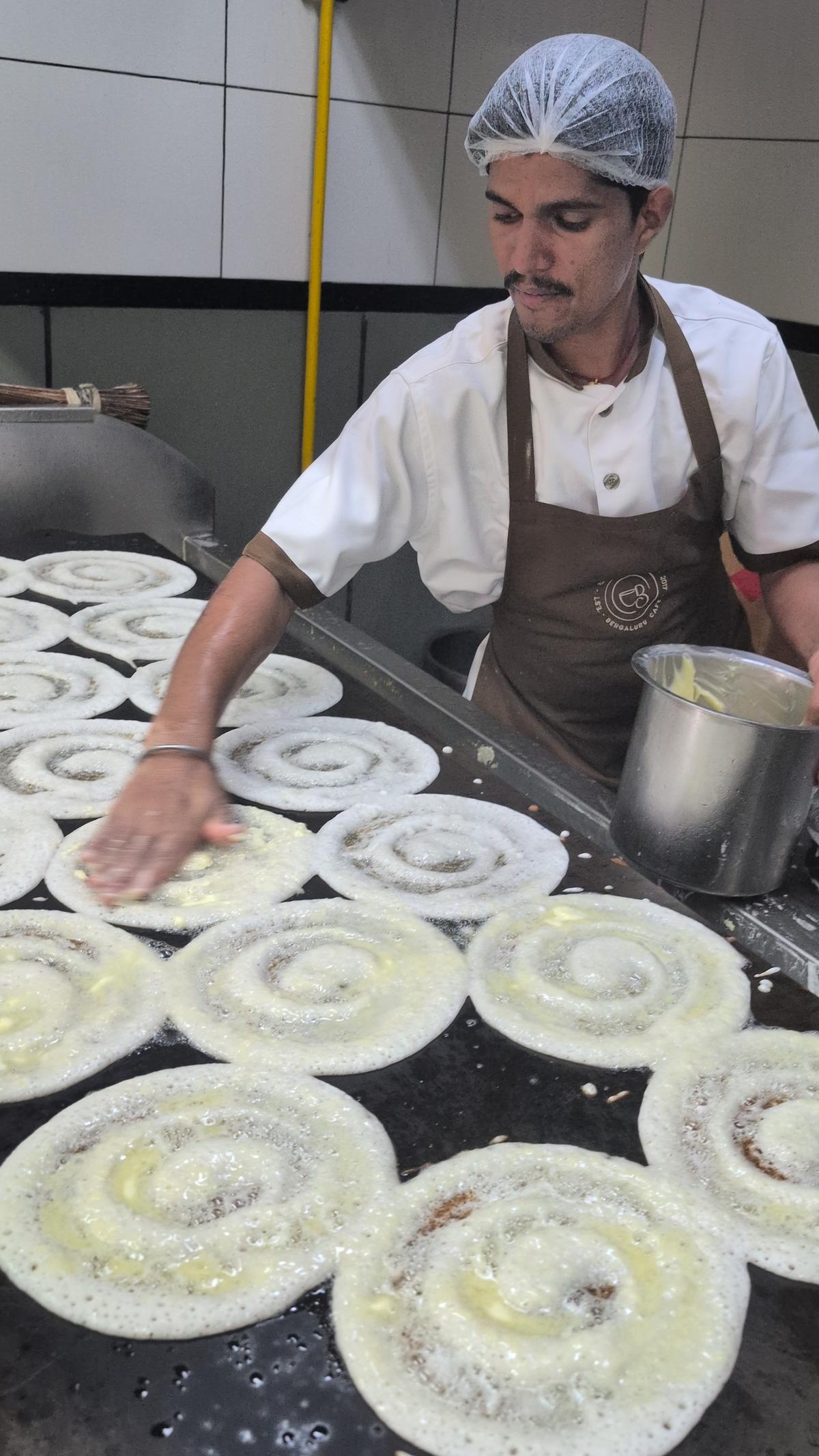
Dosas at Bengaluru Cafe
| Photo Credit:
Special Arrangement
And I, somewhere between a plate of goat trotter curry and a soft serve filter coffee ice cream, realised how much of my own story holds memories of the south.
The writer is an author, chef, and restaurateur who runs Hoppers, a Sri Lankan and South Indian restaurant in London’s Soho with JKS Restaurants
About the Author


